President Donald Trump has paused a newly launched U.S. military effort to guide ships through the Strait of Hormuz, a move that underscores the delicate balance between projecting strength abroad and managing alliances already strained by a rapidly evolving conflict with Iran.
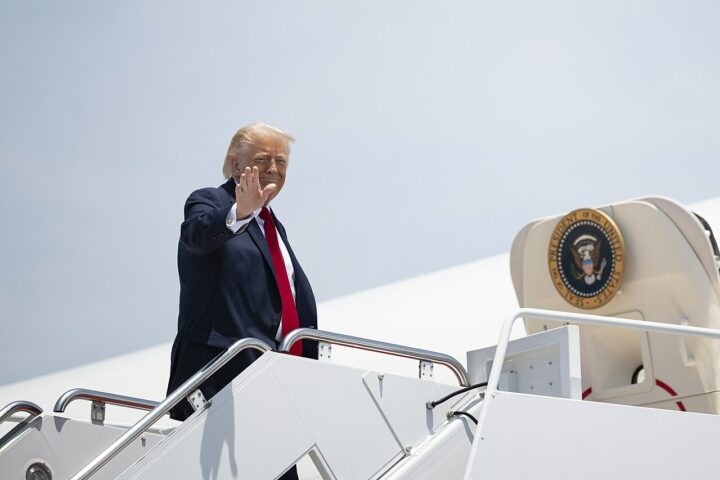
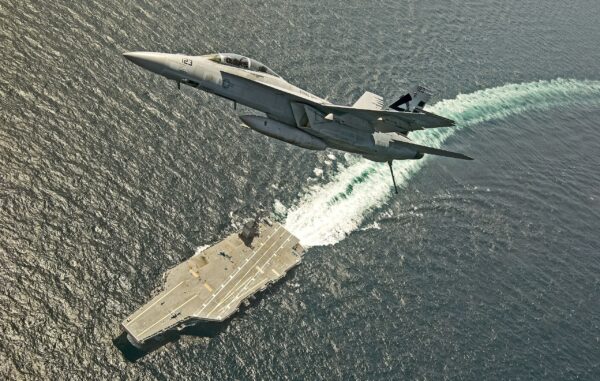
The decision, announced Tuesday evening on Truth Social, puts a temporary stop to “Project Freedom,” an initiative unveiled just days earlier. Trump said the pause would last for “a short period of time” as the United States works toward what he described as a “Complete and Final Agreement” with Iran. The announcement followed the program’s swift rollout, which began Monday after the president said the U.S. Navy would help escort ships belonging to “neutral and innocent bystanders” through one of the world’s most critical maritime chokepoints.
In his statement, Trump pointed to multiple factors behind the pause, including requests from Pakistan and other countries, what he described as “tremendous Military Success” in operations involving Iran, and progress in ongoing diplomatic discussions. He emphasized that while the escort mission would be halted, a broader blockade would remain in place as negotiations continue.
But behind the scenes, the situation appears more complicated. According to U.S. officials who spoke to NBC News, the abrupt shift came after backlash from key Gulf allies, particularly Saudi Arabia. Officials indicated that Saudi leadership was caught off guard by the initial announcement and responded by restricting U.S. military access to the Prince Sultan Airbase and limiting overflight permissions tied to “Project Freedom.”
The fallout reportedly prompted direct communication between Trump and Saudi Crown Prince Mohammed bin Salman. Despite the high-level outreach, the dispute was not resolved, and the U.S. ultimately paused the operation. Qatar was also said to have been surprised by the initial rollout, engaging with the administration only after the initiative was already underway.
A Saudi source told NBC News that communication between Washington and Riyadh has been ongoing, with officials maintaining contact not only with Trump but also Vice President JD Vance, U.S. Central Command, and Secretary of State Marco Rubio. The source suggested that the fast-moving nature of events contributed to the disconnect, while also noting Saudi Arabia’s support for diplomatic efforts led by Pakistan to bring the conflict to an end.
The White House, for its part, pushed back on claims that allies were left in the dark, stating that regional partners had been notified in advance. Still, at least one Middle East diplomat offered a different view, saying coordination came only after the public announcement, though not all countries reacted negatively.
“Project Freedom” itself had a brief and limited run. According to S&P Global Market Intelligence, four ships passed through the Strait on Monday. Defense Secretary Pete Hegseth confirmed that two commercial vessels were successfully escorted by U.S. forces. At the same time, tensions remained high, with Iran launching attacks on U.S.-escorted ships and Navy vessels, as well as strikes on the United Arab Emirates that continued into Tuesday.
Despite the volatility, there are signs of cautious optimism. Fox News anchor Bret Baier reported after speaking with Trump that the president remains upbeat about the prospects for a deal with Iran. Separate reporting from Axios indicates the administration believes it is nearing agreement on a one-page memorandum of understanding aimed at ending the conflict and setting the stage for more detailed nuclear negotiations—though some allies within Trump’s political base argue the framework may not go far enough.
As events unfold, the episode highlights a recurring challenge in foreign policy: decisive military action can send a strong message, but it can also unsettle allies and complicate diplomacy. In a region already on edge, even short-lived operations can carry consequences that extend far beyond the immediate mission.