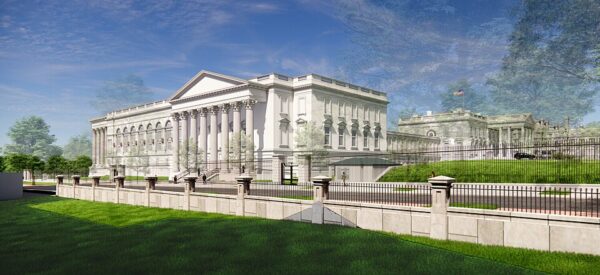
A Senate official has blocked a Republican effort to use taxpayer money for security work tied to President Donald Trump’s proposed White House ballroom, ruling that the provision violated the chamber’s budget rules and handing Democrats a victory in their fight against the project.
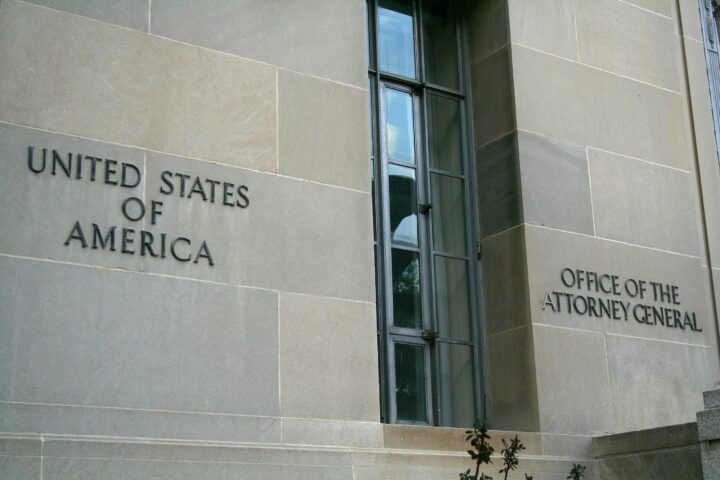
Senate Parliamentarian Elizabeth MacDonough issued the ruling Saturday, rejecting a provision that would have directed roughly $1 billion in federal security funds toward a broader overhaul of the White House’s East Wing. Democrats argued that the money, designated for Secret Service security upgrades, did not belong in the spending package Republicans were advancing through the budget reconciliation process.
Trump has said private donors would pay for the estimated $400 million ballroom itself. But Republicans sought to include federal security funding connected to the East Wing work as part of a larger reconciliation bill focused on immigration agencies within the Department of Homeland Security.
The budget reconciliation process allows certain tax and spending bills to advance without Democratic support, but it is governed by the Byrd rule, which bars provisions considered extraneous to the federal budget. MacDonough, who has served as the Senate’s nonpartisan rules referee since 2012, determined that the ballroom-related provision funded activities outside the jurisdiction of the Senate Judiciary Committee and could not remain in the bill.
Sen. Jeff Merkley of Oregon, the top Democrat on the relevant committee, said Republicans are likely to revise the bill “to appease Trump,” but Democrats are prepared to challenge any new version.
A spokesperson for Senate Majority Leader John Thune defended the process, saying: “Redraft. Refine. Resubmit. None of this is abnormal during a Byrd process.”
The fight comes as construction connected to the project has already moved forward. Crews demolished the historic East Wing in October as Trump promoted his vision for what he called the “finest ballroom of its kind, anywhere in the world.” The National Trust for Historic Preservation has sued to halt additional work, arguing that the demolition and alterations required congressional approval. An appeals court ruled in April that both underground and above-ground construction could proceed.
The ballroom is part of a broader series of changes Trump has pursued in Washington, reflecting his long background in real estate and construction. At the White House, he has added gold accents to the Oval Office and replaced the Rose Garden with a patio inspired by his Mar-a-Lago resort in Florida. He has also moved to rename prominent Washington institutions after himself and proposed building a 250-foot triumphal arch near Arlington National Cemetery.
Despite never explaining why they are so adamantly opposed to the ballroom, Democrats say they will continue opposing any attempt to use federal dollars for the ballroom, while Republicans are expected to revise the provision and try again.