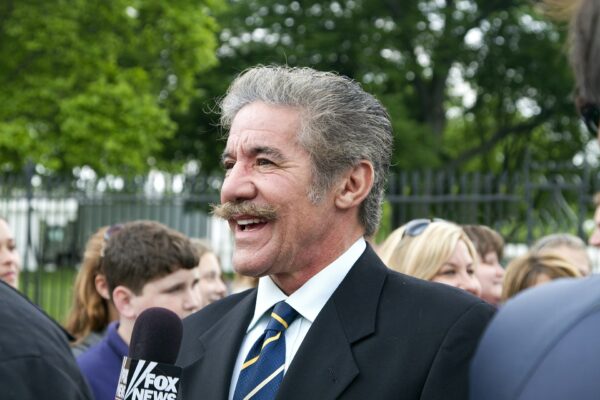
Veteran broadcaster Geraldo Rivera is now reportedly sounding the alarm for Republicans, warning that a prolonged conflict with Iran—combined with rising gas prices—could spark a political backlash with serious consequences in the upcoming midterm elections.
Speaking Wednesday on NewsNation’s “The Daily Take,” Rivera offered a mixed assessment of President Donald Trump’s strategy, praising the administration’s blockade of tankers in the Strait of Hormuz while cautioning that public patience may be wearing thin.
Host Connell McShane pointed to polling data showing that just 24 percent of Americans believe the ongoing war with Iran has been worthwhile for the United States. The numbers, he suggested, reflect growing skepticism among voters, especially as economic pressures mount at home.
“A majority of the people say this thing hasn’t been worth it,” McShane noted, raising the question of whether the pressure on the president from American voters could outweigh the economic strain being placed on Iran.
Rivera agreed that the frustration is real—and justified. He argued that Trump’s political rise was built in large part on a promise to avoid the kind of drawn-out military entanglements that have defined previous conflicts.
“The impatience is warranted,” Rivera said. “This was a president who was elected precisely because he promised no more forever wars.”
He pointed to a long list of past conflicts, including Afghanistan, Vietnam, and Iraq, as examples of the kind of prolonged engagements many voters believed the country had moved beyond. For those who backed Trump on the expectation of a different approach, Rivera suggested, the current situation risks feeling like a return to the same old pattern.
“We’ve been through Afghanistan, we’ve been through Vietnam, we’ve been through Iraq,” he said. “Enough. You’re not gonna sell us a bill of goods. We’re impatient.”
At the same time, Rivera acknowledged the strategic argument behind the administration’s actions. Supporters of the blockade have argued that increasing economic pressure on Iran could force its leadership to the negotiating table, potentially on terms more favorable to the United States.
But even if that strategy proves effective in the long run, Rivera warned that the political clock is ticking much faster. Rising gas prices, which directly affect American households, could quickly erode whatever support remains for the effort.
“I think still, if the war persists, and if the price of gas stays where it is or goes higher, there will be a stampede in the midterm elections,” Rivera said.
His warning paints a stark picture for Republicans, suggesting that failure to bring the conflict to a close—and to ease the economic burden on voters—could lead to a sweeping electoral shift. Rivera went so far as to describe the potential outcome as a “revolution,” with Republicans “reeling” from the fallout.
For a party that has increasingly tied its message to both economic strength and a more restrained foreign policy, the stakes could hardly be higher. Rivera’s comments underscore a broader tension facing policymakers: balancing the pursuit of strategic objectives abroad with the expectations and patience of voters at home.
As the conflict continues, that balance may prove difficult to maintain—especially if the costs, both economic and political, continue to rise.