The Trump administration is urging governments around the world to endorse a new United Nations declaration centered on “trade over aid,” marking a significant shift away from the United States’ traditional role as a leading provider of humanitarian and development assistance.
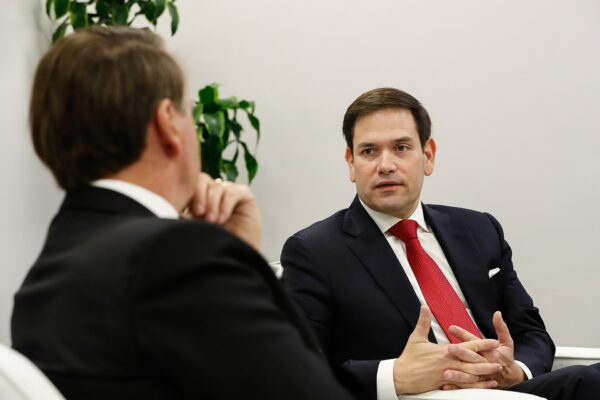
In a diplomatic cable sent Wednesday to U.S. embassies and consulates, Secretary of State Marco Rubio directed American diplomats to seek formal backing from foreign governments by Monday. The effort is aimed at building support ahead of a planned rollout of the initiative at the United Nations later this month.
According to the cable, reviewed by The Washington Post, the initiative is intended to use the U.N. system to “promote America First values and create business opportunities for U.S. companies.”
The proposal aligns with a broader restructuring of U.S. foreign assistance under President Donald Trump, including the dismantling of the U.S. Agency for International Development and reductions in funding for multilateral U.N. programs. Administration officials have argued that traditional aid models have contributed to inefficiency, fraud, and long-term dependency in recipient countries.
At the same time, other major donor nations — including France, Germany, and United Kingdom — have also reduced foreign aid spending, contributing to what analysts have described as a global contraction in development assistance. Some projections warn that sustained reductions could result in significant humanitarian consequences, including millions of additional deaths by the end of the decade.
Critics of the administration’s approach argue that shifting toward a purely market-driven model could expose vulnerable economies to exploitation. One unnamed State Department official described the policy as “solidifying our stance on dropping aid completely and letting companies enrich themselves on newer markets.”
Studies have shown this is the best way to help people.
The initiative has already drawn skepticism from liberal foreign policy observers who benefit from aid spending. Sam Vigersky, an international affairs fellow at the Council on Foreign Relations and a former humanitarian adviser to the U.S. mission to the United Nations, said the proposal could face resistance from other governments.
“Having been on the driving end of many démarches over my time, I would not see this being well received because it comes across as undermining the U.N.,” Vigersky said.
The administration has faced similar criticism in other areas of global engagement, including negotiations over international health funding, where it has been accused of tying support for HIV programs to unrelated commercial agreements involving natural resources. The State Department has denied those claims.
Administration officials have framed the policy shift as an effort to promote long-term economic growth through investment and trade partnerships rather than traditional aid flows, setting up what could become a significant debate among U.N. member states in the weeks ahead.