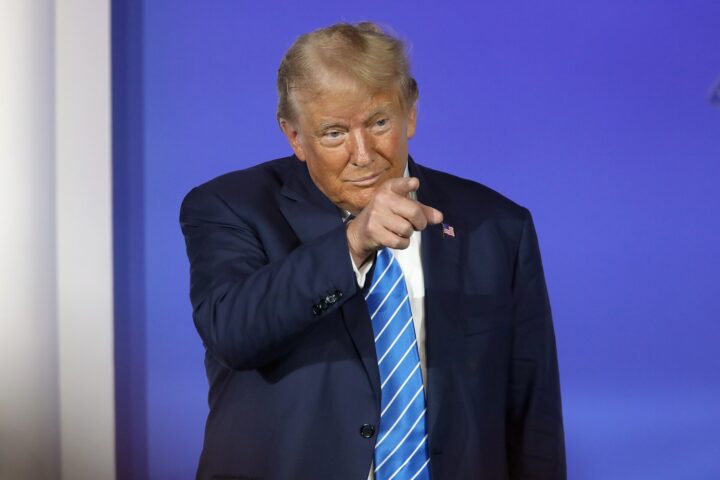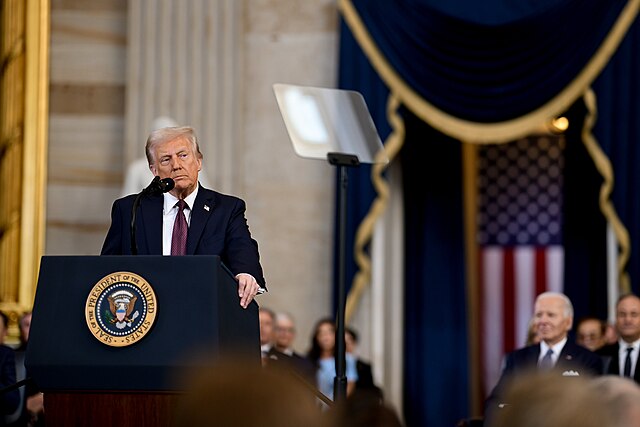
President Donald Trump brushed aside concerns Monday about the future of negotiations with Iran, saying he was unconcerned whether the talks continue and arguing that the discussions had dragged on for too long.
The comments came as questions mounted over the status of diplomatic efforts between Washington and Tehran following reports from Iranian state media that Iran was suspending peace negotiations after Israeli strikes targeted Hezbollah positions in Lebanon.
Speaking by phone with CNBC senior Washington correspondent Eamon Javers, Trump made clear he was not particularly troubled by reports that the talks may have collapsed.
When asked whether the negotiations were finished or whether Iran was merely bluffing, Trump responded bluntly.
“I don’t care if they’re over, honestly. I really don’t care,” the president said. “If they’re over, they’re over.”
Trump argued that the negotiations had become increasingly tedious and suggested Iranian officials were deliberately slowing the process.
He said he believed Tehran had been “tapping us along,” indicating that he felt the talks were being stretched out unnecessarily rather than moving toward a resolution.
The president’s remarks came amid a conflict that has generated criticism from both the political right and left. Critics have pointed to the deaths of American military personnel, the multibillion-dollar cost of the war and concerns about rising fuel prices as the conflict has continued.
Trump told Javers that Iranian officials had not directly informed him that negotiations were ending. He also said he intended to discuss developments in Lebanon with Israeli Prime Minister Benjamin Netanyahu.
Earlier Monday, Trump posted on Truth Social that he had a “very productive call” with Netanyahu. However, the article notes that a later Axios report cited unnamed U.S. officials and another anonymous source who claimed the conversation was far more contentious. According to that report, Trump allegedly criticized Netanyahu during the call and accused him of showing “ingratitude.”
During the CNBC interview, discussion also turned to the Strait of Hormuz, a strategically important shipping route that has become a focal point in the broader conflict.
Asked about reopening the waterway, Trump argued that traffic was already moving through the strait. He pointed to vessels that have departed the region during the past week and said American actions had effectively countered Iran’s blockade efforts.
According to Trump, Iran is losing approximately $500 million per day because of the blockade situation. He indicated he was willing to let those losses continue.
The president also suggested that NATO should contribute more to efforts surrounding the conflict, particularly because European nations rely more heavily on the region’s energy supplies.
At the same time, Trump emphasized that the United States does not depend on the strait in the same way. He argued that America possesses abundant oil resources and stated that Europe faces significant energy challenges.
“We don’t need NATO,” Trump said, while also suggesting the alliance would assist if asked.
Trump further criticized Europe, saying the continent faces major immigration and energy problems.
Despite concerns that the conflict and stalled negotiations could push energy prices higher, Trump insisted he was not worried about oil markets. He predicted oil prices would decline sharply in the near future and pointed to what he described as 1,700 oil-laden ships waiting to enter the market.
“I think the oil will be dropping like a rock,” he said.
Throughout the interview, Trump repeatedly returned to what he described as his primary objective: preventing Iran from obtaining a nuclear weapon. He said that concern outweighed all others, including temporary increases in fuel prices.
The president also expressed confidence that gasoline prices would eventually fall once the conflict concludes. He argued that Americans understand the stakes involved and suggested that concerns about higher costs would ease if Iran is prevented from developing a nuclear weapon.
As negotiations appear increasingly uncertain and military tensions continue, Trump’s comments underscored his belief that the diplomatic process had stalled and that the central issue remains Iran’s nuclear ambitions rather than the fate of the talks themselves
[READ MORE: Trump Taps Housing Regulator Bill Pulte as Acting National Intelligence Director]