President Donald Trump has reportedly taken the unusual step of leaving written instructions for Vice President JD Vance in the event of his assassination, a revelation that highlights the persistent security concerns surrounding the presidency during a turbulent period at home and abroad.
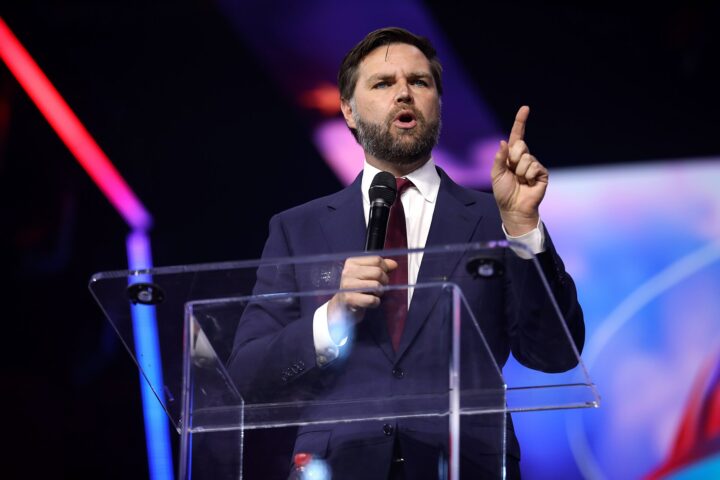
The disclosure came from White House counterterrorism official Sebastian Gorka, who spoke Wednesday on the New York Post’s “Pod Force One” podcast hosted by Miranda Devine. According to Gorka, the president has prepared for a worst-case scenario by leaving a letter addressed to the vice president inside the Resolute Desk.
“There is a letter in the drawer in the Resolute Desk that is addressed to the vice president should something happen to him,” Gorka said, describing a measure that underscores the gravity of the threats facing modern leaders.
The conversation emerged during a broader discussion about the president’s safety, particularly in the context of international tensions. Devine raised concerns about Trump’s travel to China for a meeting with President Xi Jinping, suggesting that geopolitical rivals might have strong incentives to target a figure she described as a barrier to their ambitions.
“They have every reason in the world to take him out,” Devine said, referring to Beijing.
Gorka, however, sought to reassure listeners, emphasizing that extensive security protocols are in place, even if the details cannot be publicly disclosed. “We have protocols, trust me. Not ones I can discuss, but we have protocols,” he said.
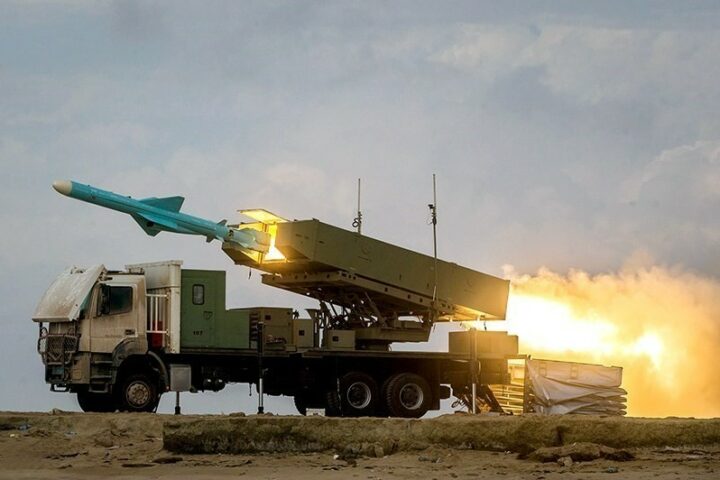
The notion of contingency planning is not new for Trump. The president has previously acknowledged preparing responses to potential assassination scenarios tied to foreign adversaries. In January, he stated that he had left “very firm instructions” regarding Iran, saying the “whole” country should be “blown up” if he were killed—a stark reflection of the high-stakes rhetoric that often accompanies global conflict.
At the same time, threats have not been limited to foreign actors. Trump has faced multiple assassination attempts in recent years, particularly during the heated 2024 presidential campaign. In one widely reported incident, a gunman opened fire at a rally in Butler, Pennsylvania, grazing the president’s ear before being neutralized by Secret Service agents.
In another case, a suspect was arrested after allegedly positioning himself near one of Trump’s Florida golf courses with a rifle. More recently, in April, a would-be attacker attempted to rush the White House Correspondents’ Dinner at the Washington Hilton but was stopped before reaching the president.
Taken together, these incidents paint a sobering picture of the risks associated with national leadership, especially during times marked by international tension and domestic division. While contingency plans and security protocols are essential, they also serve as reminders of how fragile even the most powerful positions can be.
As the administration navigates complex foreign policy challenges and an increasingly volatile global landscape, the existence of such preparations underscores a reality often overlooked in political debates: that the decisions made in Washington—particularly those involving conflict—carry consequences that extend far beyond policy papers, shaping both national security and the personal safety of those at the center of it all.
[READ MORE: Trump Takes Aim at Media Coverage, Defends Record Amid Iran Conflict]