A newly reported intelligence assessment from the CIA is casting fresh light on the ongoing standoff with Iran, suggesting the conflict may be far from over despite early claims of decisive military success.
According to a report from The Washington Post, a confidential CIA analysis delivered to policymakers this week concludes that Iran could endure President Donald Trump’s blockade of the Strait of Hormuz for at least three to four months before facing severe economic consequences. The findings, described by four unnamed sources familiar with the document, paint a more complicated picture than the one often presented publicly.
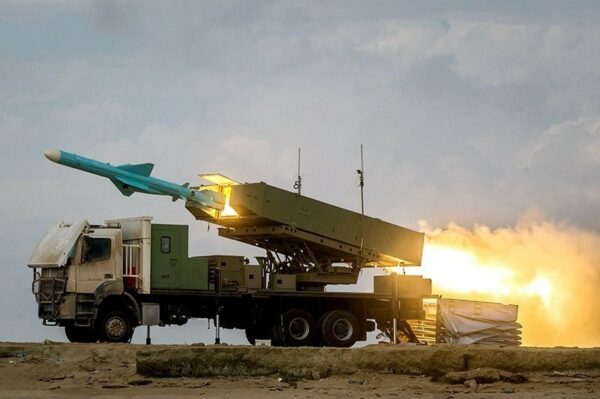
While the blockade has undoubtedly placed pressure on Tehran, the report indicates that Iran retains meaningful military capabilities. Specifically, the analysis found that the country still possesses significant ballistic missile strength. One official cited in the report noted that Iran has lost roughly 25 percent of its mobile missile launchers and about 30 percent of its missile stockpiles—figures that suggest substantial, but far from total, degradation.
Even more striking, the intelligence indicates that Iran has managed to recover key elements of its military infrastructure. According to the report, the regime has reopened nearly all of its underground storage facilities, repaired some damaged missiles, and even completed assembly of others that were close to operational status when the war began.
These findings appear to stand in contrast to earlier statements from the administration. Speaking from the Oval Office in April, President Trump asserted that the United States had effectively crippled Iran’s military capabilities within the first four weeks of the conflict. He claimed that 78 percent of targeted sites had been hit, including what he described as major damage to missile, drone, and manufacturing systems.
“I took the country out militarily,” Trump said at the time, while also signaling that additional strikes could follow if Iran failed to reach a deal. He emphasized that the United States was under no time pressure, suggesting instead that Iran faced mounting urgency due to the blockade’s impact on its oil infrastructure.
Yet the CIA’s more measured assessment suggests that while the pressure is real, the outcome may not be as immediate or decisive as some rhetoric implies. One senior U.S. official acknowledged that the blockade has caused “real, compounding damage,” describing Iran’s military as “badly degraded” and its navy effectively destroyed. The same official also claimed that Iranian leadership remains willing to tolerate civilian hardship to prolong the conflict.
At the same time, another official cautioned that even the CIA’s estimate of Iran’s endurance might be conservative. According to that perspective, the regime has grown more hardened and confident in its ability to outlast U.S. political will, while maintaining strict internal control to suppress dissent.
The broader implication is a familiar one in modern conflicts: military gains do not always translate into swift strategic victories. Even under sustained economic and military pressure, entrenched regimes have historically proven capable of enduring far longer than anticipated.
As policymakers weigh next steps, the intelligence underscores a sobering reality. While the blockade may be inflicting damage, it is not an instant solution—and prolonging such confrontations carries risks that extend well beyond the battlefield.
[READ MORE: Trump Halts Strait Operation Amid Gulf Pushback as Iran Talks Gain Momentum]