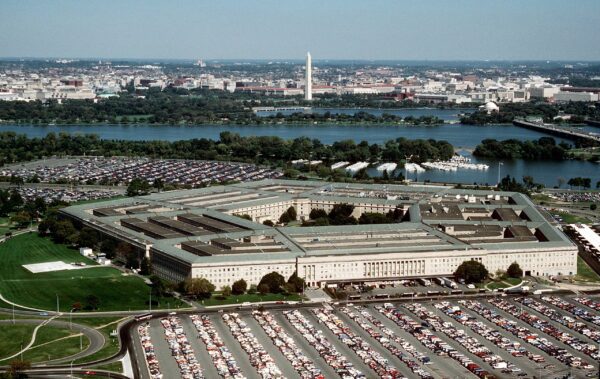
Defense Secretary Pete Hegseth is making a forceful case for a staggering $200 billion Pentagon funding request tied to the ongoing war against Iran, arguing bluntly that national security comes at a price.
Speaking during a Thursday morning briefing at the Pentagon, Hegseth defended the request in stark terms. “I think that number could move. Obviously, it takes money to kill bad guys,” he told reporters, underscoring the administration’s belief that sustained military action requires deep financial backing.
The funding proposal, which has been sent to the White House, is expected to eventually make its way to Congress as part of a supplemental request. While the final figure remains uncertain, the sheer scale of the ask is already sparking debate on Capitol Hill. Republicans have largely signaled support, aligning with the administration’s emphasis on military strength, while Democrats are raising concerns about both the cost and the long-term implications.
Hegseth made clear that the request is not just about current operations, but about preparing for what may come next. “We’re going back to Congress and our folks there to ensure that we’re properly funded for what’s been done, for what we may have to do in the future,” he said. He emphasized the need to replenish ammunition supplies, adding that the goal is not merely to restock, but to build reserves “above and beyond.”
The request arrives as the U.S.-Israeli war against Iran enters its third week, with military operations intensifying. Both forces have continued to strike thousands of Iranian targets, including ballistic missile launch sites and drone production facilities. According to Hegseth, the campaign has already delivered significant blows to Iran’s naval capabilities, with all 11 Iranian submarines reportedly destroyed and more than 120 ships damaged or sunk.
But even as military leaders highlight battlefield successes, the financial toll is mounting rapidly. Pentagon officials told lawmakers that the conflict cost more than $11.3 billion in just the first six days—a pace of spending that raises serious questions about how long such operations can be sustained without broader economic consequences.
Critics are beginning to voice those concerns more openly. Sen. Ruben Gallego, an Iraq War veteran, warned that the scale of the funding request signals the possibility of a prolonged conflict. Noting that the Iraq War peaked at around $140 billion annually, Gallego argued that a $200 billion request suggests expectations of a longer and potentially more entrenched war effort.
Meanwhile, the push for increased military funding reflects a broader vision from President Donald Trump, who earlier this year called for expanding the defense budget from $1 trillion to $1.5 trillion to build what he described as a “dream military.”
Hegseth echoed that sentiment, praising Trump’s commitment to strengthening U.S. forces while criticizing the previous administration. He argued that former President Joe Biden weakened U.S. readiness by sending weapons to Ukraine during its war with Russia, suggesting those resources would be better used for American priorities.
Still, even among supporters of a strong national defense, the growing price tag and open-ended nature of the conflict are difficult to ignore. As the administration seeks more funding, lawmakers—and the American public—are left weighing the costs of war against the promise of security, a balance that history has shown is rarely simple.
[READ MORE: King Charles Visit May Be On Hold]