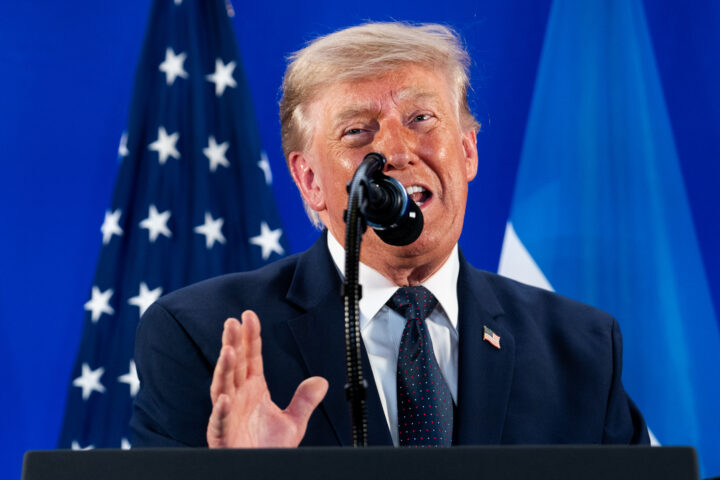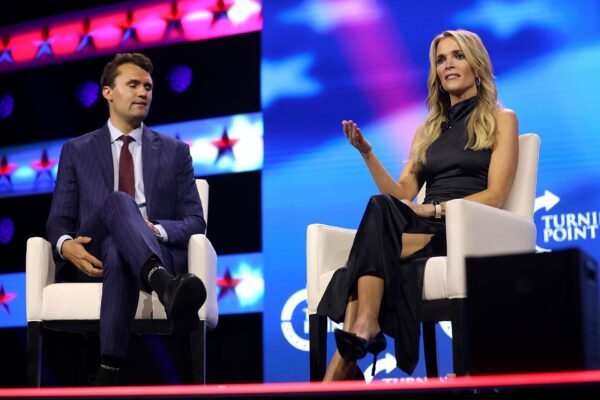
Media host Megyn Kelly reportedly said she no longer believes President Donald Trump when it comes to the ongoing conflict with Iran, pointing to what she described as repeated contradictions that have eroded her confidence in his statements.
Speaking with Tucker Carlson on her show Thursday, Kelly voiced skepticism about recent reports suggesting a potential deal to end the war could be close. Carlson opened the discussion by expressing cautious hope that an agreement might be within reach, but also noted a pattern he finds troubling.
“I hope the possibility of ending it is real,” Carlson said, adding that he has observed a recurring trend in which reports of an imminent deal are followed by significant activity in oil futures markets. According to Carlson, those reports often fail to materialize into actual agreements.
Kelly, however, made clear she is far less optimistic. Returning to the topic later in the conversation, she said she has little confidence in claims that a deal is imminent, citing the president’s past statements about the war.
“I have no idea whether there’s a 14-point deal or not,” she said. “None whatsoever. I don’t trust a word President Trump says about this anymore.”
Kelly argued that Trump has repeatedly declared the conflict effectively over, only to later signal continued military action. “He’s told us 31 times that the Iran war is over,” she said, before pointing to subsequent comments about potential bombing as evidence of inconsistency.
The criticism reflects a broader frustration among some commentators who say the administration’s messaging has been difficult to follow. Trump has at various points described the war as “won,” offered timelines that did not hold, and insisted that Iran was eager to negotiate—even as hostilities continued.
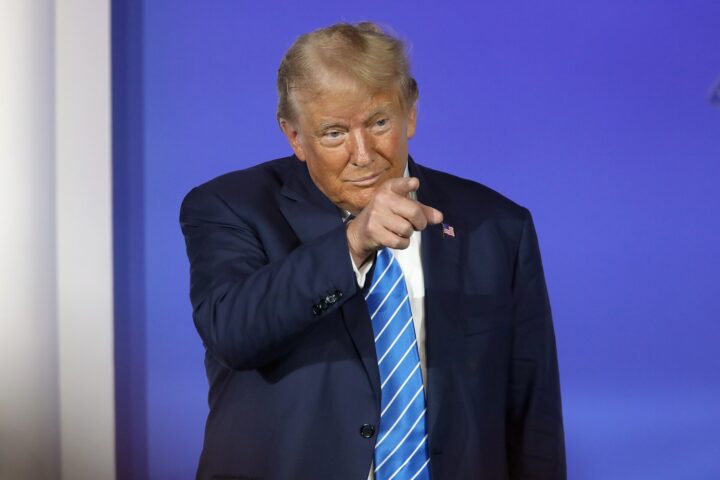
On Thursday, Trump told Rachel Scott of ABC News that recent U.S. strikes on Iran amounted to a “love tap,” while maintaining that a ceasefire remained in effect. The remarks added to the mixed signals that critics say have complicated public understanding of the situation.
Kelly, who was once a vocal supporter of Trump, has grown increasingly critical of the war itself. During her conversation with Carlson, she pointed to the financial cost of the conflict as a major concern, contrasting it with debates over domestic spending.
She noted that policymakers had previously balked at proposals to spend $25 billion on subsidies, questioning how such concerns could coexist with the cost of military action abroad. “Guess what we just spent, a minimum, on this Iran war?” she asked. “The price tag was $2 billion.”
Kelly added that the true cost is likely higher than what has been publicly acknowledged, but said even the admitted figure raises questions about priorities. She argued that while funds have been allocated for the conflict, similar spending for Americans has faced resistance.
Her comments highlight a tension that has become increasingly visible as the war continues: the challenge of balancing foreign policy objectives with domestic concerns. While debates over strategy and messaging persist, critics from across the political spectrum are raising questions not just about how the conflict is being managed, but whether the costs—both financial and otherwise—are being fully accounted for.
As the possibility of a deal remains uncertain, Kelly’s remarks underscore a growing sense of skepticism among some observers who are looking for clearer answers in a situation that continues to evolve.
[READ MORE: Trump Downplays Hantavirus Concerns as Cruise Ship Outbreak Raises Questions]