President Donald Trump said Thursday that Americans “should be fine” following reports of a hantavirus outbreak linked to a cruise ship near the Canary Islands, even as details surrounding the incident continue to emerge.
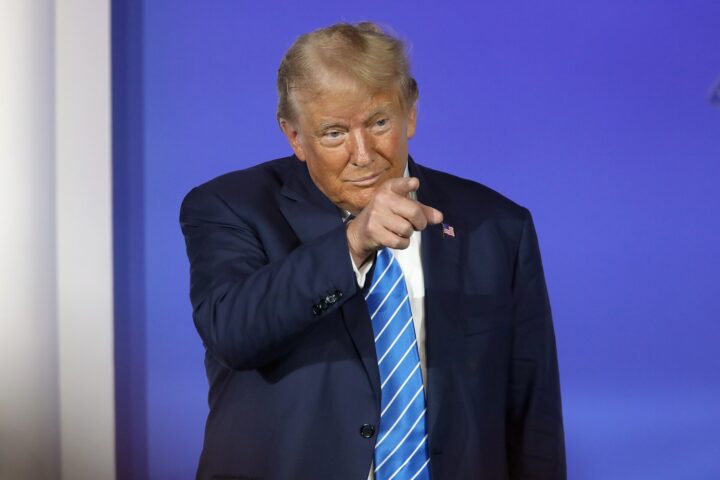
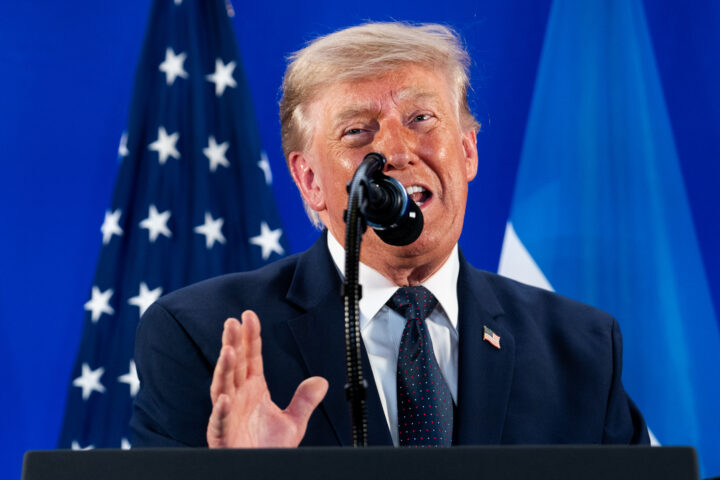
Speaking to reporters during a visit to the Lincoln Memorial, where he was inspecting renovations to the Reflecting Pool, Trump confirmed that he had been briefed on the situation. The outbreak has reportedly been connected to at least three deaths aboard a vessel currently anchored off the Spanish island chain.
The president struck a cautiously optimistic tone, emphasizing that his administration has personnel actively studying the virus. “We have a lot of people, a lot of great people studying it,” Trump said, adding that a more detailed report would likely be released soon. He described the situation as something that officials hope is “under control,” while reiterating that the issue appears to be limited to the ship.
Still, when pressed on whether Americans should be concerned about the potential spread of the illness, Trump’s response reflected a degree of uncertainty. “I hope not. I mean, I hope not,” he said, adding that his administration would “do the best we can.”
Health officials, however, sought to calm fears. A representative from the World Health Organization emphasized that the outbreak is not comparable to the coronavirus pandemic. The official noted that hantaviruses are well-known and have been studied for years, stressing that this situation does not signal the start of a new global crisis.
“This is not coronavirus,” the official said, drawing a clear distinction from SARS-CoV-2 and the COVID-19 pandemic. According to the agency, there is already substantial knowledge about hantaviruses, suggesting that the situation, while serious, is not unprecedented.
Even so, accounts from those on board the ship paint a more unsettled picture. One passenger told NBC News that travelers were “not well-informed” about the circumstances surrounding the outbreak. The passenger shared video footage of the ship’s captain announcing the death of a guest, initially describing the passing as due to natural causes and assuring passengers that the situation was not infectious.
In the recording, the captain stated that the ship was safe and that the individual had succumbed to underlying health issues. However, the passenger later expressed concern, saying the lack of clear communication left many on board feeling unprepared and uneasy.
“It’s very scary because it was nothing that we were ready for,” the passenger said, highlighting the confusion that can arise when information is incomplete or evolving.
Cruise operator Oceanwide Expeditions responded by saying the cause of death was not known at the time of the announcement and that proper procedures had been followed. The company maintained that it acted appropriately given the information available at the time.
The episode underscores the challenges that can arise when public health concerns intersect with limited or delayed information. While officials insist the situation is not comparable to past global crises, the uncertainty surrounding the outbreak—and the communication gaps reported by passengers—serve as a reminder that even contained incidents can quickly spark broader concern.
As federal authorities continue to monitor the situation and promise further updates, the balance between reassurance and transparency remains critical, particularly in a world still shaped by the lingering memory of recent global health emergencies.
[READ MORE: Rubio Meets Pope Leo XIV at Vatican, Exchanges Symbolic Gifts Amid Rising Tensions]