Donald Trump sought to reassure workers Thursday that the economic fallout from the ongoing conflict with Iran remains contained, even as fuel costs continue to rise sharply nationwide.
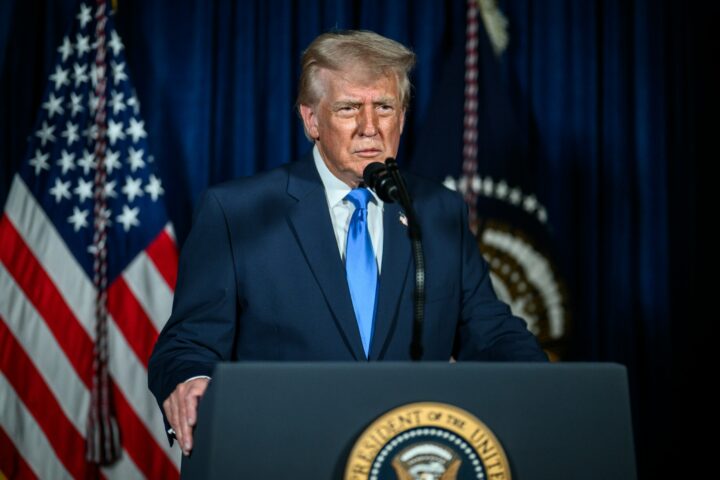
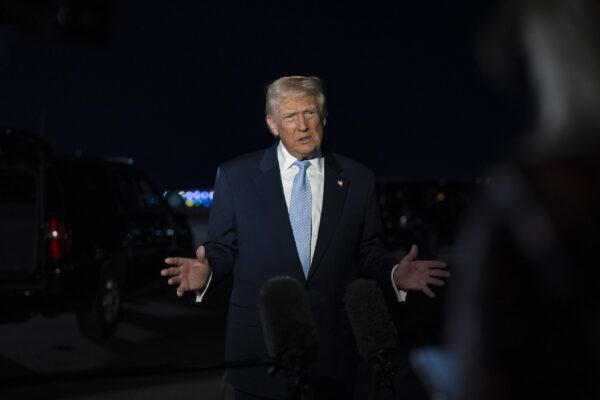
Speaking at a hotel ballroom just off the Las Vegas Strip, Trump promoted his administration’s new tax deduction for tipped income while addressing concerns about rising energy prices. He characterized the current pressures as “some fake inflation because of the fuel, the energy prices,” adding that many had predicted oil would surge far higher, noted The New York Times.
Appearing alongside Treasury Secretary Scott Bessent and several workers, Trump highlighted what he described as tangible benefits from the policy, including substantial tax refunds. He pointed to gains for “thousands of Nevada waiters, waitresses, casino dealers, bartenders, bellmen, barbers, caddies,” adding, “I just want to say: You’re welcome.”
The president also projected confidence in the broader economy, signaling expectations of stronger performance in the months ahead. “For the remainder of 2026, you’re going to see a big surge,” he said. “The numbers are really tremendous, and that’s why I’m out here. If they were bad, I wouldn’t be here today. I’d be sitting home watching television.”
BREAKING: US oil prices crash to $83/barrel as Iran officially reopens the Strait of Hormuz for the remainder of the ceasefire. pic.twitter.com/DorAuSEck9
— The Kobeissi Letter (@KobeissiLetter) April 17, 2026
The remarks come nearly two months into the Iran conflict, during which Trump has emphasized resilience in financial markets while downplaying the strain associated with higher energy costs. On Thursday, he made only limited reference to gasoline prices, which have exceeded $5 per gallon at many Las Vegas stations, or to rising airline fares tied to elevated fuel prices.
The event unfolded against signs of strain in the local economy. Las Vegas recorded an 11 percent decline in visitors last year, a drop attributed in part to immigration enforcement actions affecting service workers and to tariffs or foreign policy tensions discouraging some international travel, particularly from Canada. Casino operators have responded by increasing prices for guests, while restaurants across the city have raised costs for meals and beverages, further pressuring tourism demand.
Trump’s visit was designed to spotlight a key provision of his signature tax legislation signed last summer. But it also underscored a broader challenge facing the administration: managing the domestic economic perception of foreign policy decisions in regions heavily dependent on tourism.
[Read More: Trump Shows Optimism With Iran Talks]