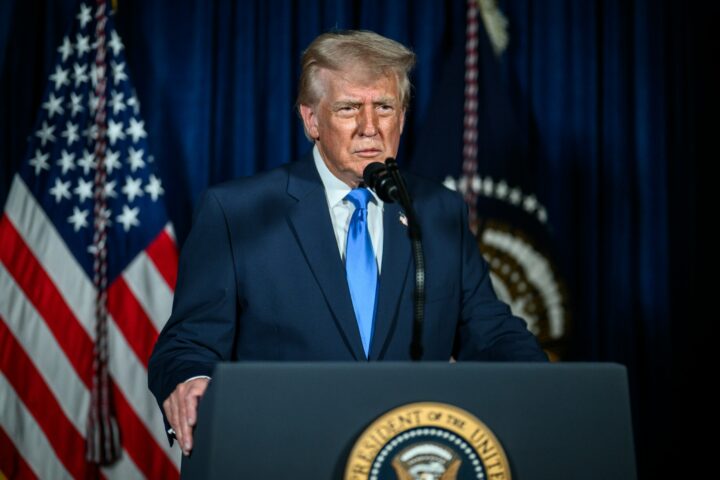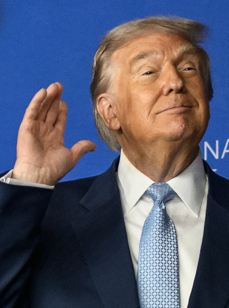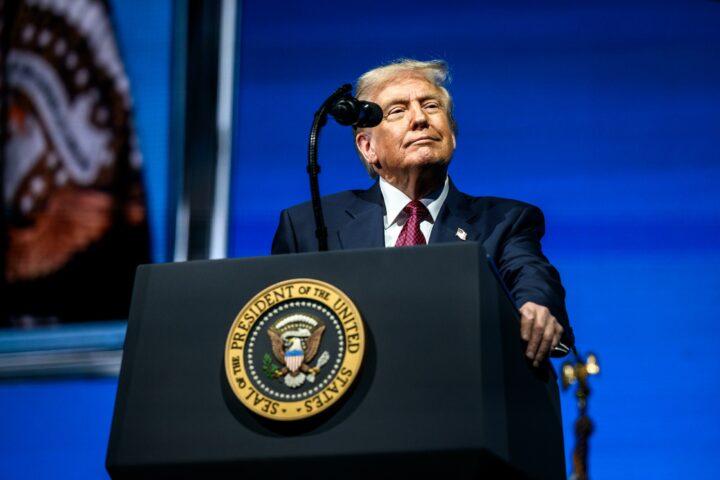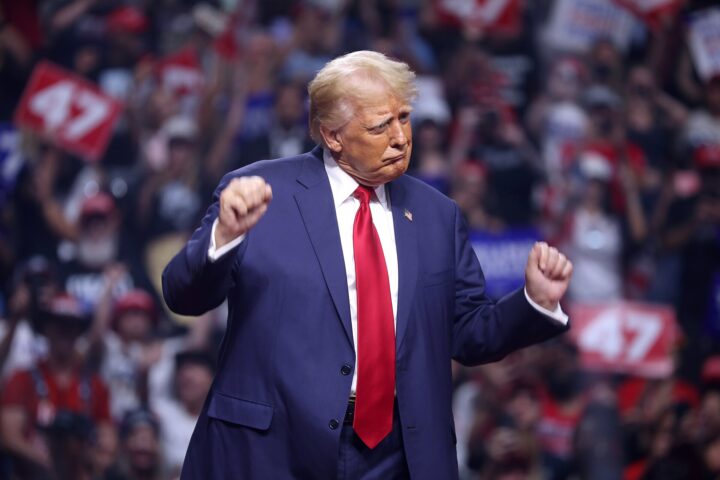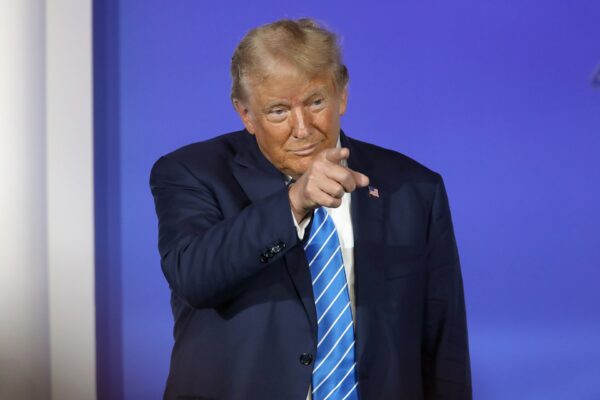
President Donald Trump promised Wednesday to send $5,000 to every American adult if Republicans retain control of Congress in the November midterm elections, offering voters an extraordinary cash payment that could cost the federal government more than $1 trillion.
“It will be called the Trump dividend,” Trump told Republicans gathered for the party’s midterm convention in Dallas. He said the money would have to be spent inside the United States but offered few other details about how the program would work.
Vice President JD Vance later suggested during an interview with Fox News that tariff revenue could help pay for the dividend. Vance also indicated that wealthier Americans might not receive the payment, potentially narrowing Trump’s promise of a check for every adult citizen.
Even so, the proposal would carry an enormous price tag. With roughly 240 million adult citizens in the United States, sending each of them $5,000 would cost approximately $1.2 trillion. The federal government is already running an annual deficit approaching $2 trillion, while the national debt recently surpassed $40 trillion, according to one report.
Trump would also need Congress to cooperate. The Constitution gives lawmakers control over federal spending, making it unlikely that the president could distribute the money through an executive order alone. Trump compared the proposal to the $1,776 payments given to members of the military last year, but that money came from funds Congress had already appropriated for housing improvements.
Republicans previously declined to enact Trump’s proposal for $2,000 rebate checks financed with tariff revenue, despite holding majorities in both chambers.
The announcement prompted accusations that Trump was attempting to buy votes, but legal experts said such a case would be difficult to sustain because the proposed payments would not depend on whether a recipient supported Republicans.
“A promise to lower taxes also gives voters a financial reason to support a candidate, but that does not, by itself, make the promise a bribe,” said John Day, a former New Mexico prosecutor who now handles government-misconduct and civil-rights cases. “Under the proposal as announced, an eligible adult could vote Democratic — or not vote at all — and still receive the same payment if the program were enacted.”
The Supreme Court drew a similar distinction in its unanimous 1982 decision in Brown v. Hartlage. The court held that a candidate’s public promise to reduce government spending or cut his own salary did not constitute illegal vote-buying.
Trump has floated comparable proposals before. Early in his second term, he discussed distributing some of the savings that the Department of Government Efficiency, then led by Elon Musk, was expected to produce. He has also proposed returning a portion of federal tariff collections to Americans. Neither plan materialized after the anticipated savings failed to appear and the Supreme Court invalidated many of the tariffs, requiring the government to repay billions of dollars to importers.
Democrats have made similar campaign promises. Before Georgia’s 2021 Senate runoff elections, then-President-elect Joe Biden and Democratic candidates Jon Ossoff and Raphael Warnock pledged to support $2,000 stimulus payments. Democrats won both races, and Congress subsequently approved another round of checks.
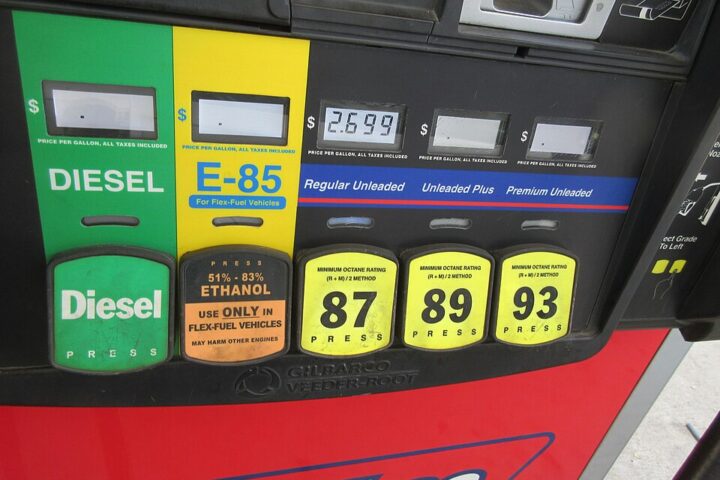
Economists warned that distributing more than $1 trillion could increase consumer demand, push inflation higher and place additional upward pressure on interest rates.
“Significantly expanding the deficit at this time would come with significant challenges, including the cost of future financing, how markets would respond and how the dollar’s foreign exchange value would be affected,” said Lee Ohanian, an economics professor at the University of California, Los Angeles.
The proposal’s future will depend first on whether Republicans retain the House and Senate in November, and then on whether enough members of Congress are willing to approve the money.