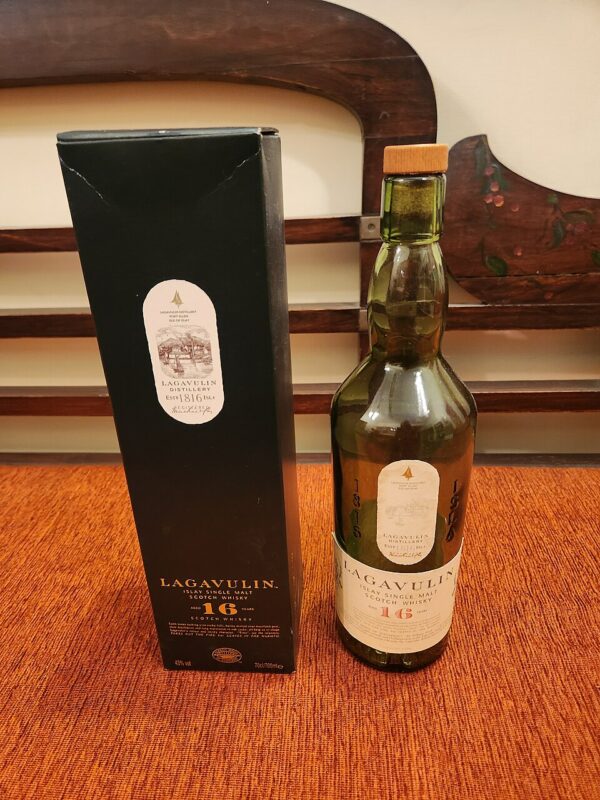
President Donald Trump on Thursday moved to eliminate U.S. tariffs on Scotch whisky and extend reciprocal relief for American bourbon, crediting a direct appeal from King Charles III and Queen Camilla during their recent White House visit.
The decision, disclosed publicly on April 30, marks a break from years of tariff friction that had weighed on the transatlantic spirits trade. Trump described the move in personal terms, telling associates that “The King and Queen got me to do something that nobody else was able to do, without hardly even asking!”
The tariffs trace back to a broader dispute over European aircraft subsidies. During Trump’s first term, the United States imposed 25% duties on a range of European goods, including Scotch whisky, in response to subsidies tied to Airbus. While the Biden administration later paused some measures, new tariffs—initially set at 10% and rising toward 15%—reappeared in 2025 under Trump’s revived trade agenda, prompting renewed tension and threats of retaliation.
For Scotland’s whisky producers, the U.S. market is central, accounting for a significant share of export demand. Industry groups argued the tariffs imposed substantial weekly losses and disrupted long-standing trade patterns. American bourbon producers, particularly in Kentucky, raised parallel concerns, emphasizing the interdependence of the two industries. Scotch distillers rely heavily on used American oak barrels, a byproduct of bourbon production, creating what industry advocates have long described as a mutually reinforcing trade relationship.
British officials had pressed the issue repeatedly in recent years. John Swinney and other U.K. leaders pointed to both the economic stakes and Trump’s personal connections to Scotland, including family heritage and business interests, as potential leverage in negotiations that had otherwise stalled.
That leverage appears to have materialized during the royal visit. According to accounts of the meeting, King Charles raised the tariff issue directly, framing it as a discrete, solvable point within a broader and more contentious trade landscape. Trump, in turn, presented the rollback as a targeted gesture—one that benefits both Scottish exporters and American distillers without reopening wider trade disputes, writes CNBC.
Industry groups on both sides of the Atlantic quickly welcomed the announcement. The Scotch Whisky Association and the Distilled Spirits Council of the United States have long advocated for zero-tariff access, arguing that removing barriers would restore export volumes and stabilize supply chains disrupted by years of policy volatility.
The move also carries a diplomatic dimension. Supporters view it as an example of personal diplomacy producing concrete economic outcomes, particularly in sectors tied closely to regional identity and rural employment. In Scotland, whisky production remains a cornerstone industry, while in Kentucky, bourbon serves as both a major export and a cultural symbol.
Critics, however, are likely to question the selectivity of the relief. Trump has maintained a generally protectionist posture on trade, and the targeted removal of tariffs in a single sector may invite scrutiny from other industries still subject to import duties. The administration has not yet detailed whether similar carve-outs could follow in other areas.
The announcement comes as Trump’s broader tariff framework continues to face legal and political challenges. Courts have recently reviewed aspects of earlier executive actions, and additional adjustments to trade policy remain under consideration. Administration officials said further guidance on implementation timelines and the precise scope of the tariff rollback will be issued by the White House and the Office of the U.S. Trade Representative.