A newly released report from the Trump administration is casting fresh scrutiny on how federal authorities handled a criminal investigation that, critics say, veered into troubling territory for religious liberty.
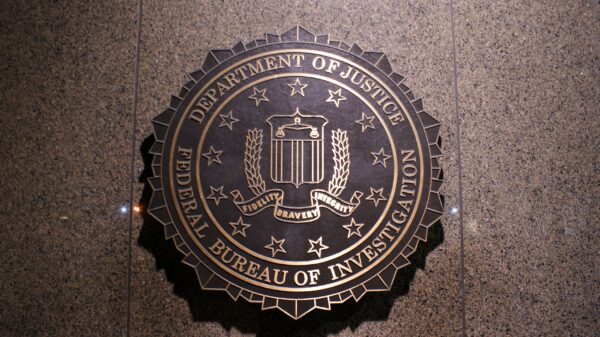
At the center of the controversy is an internal January 2023 memo from the FBI’s Richmond Field Office, which attempted to draw connections between traditionalist Catholic communities and violent extremism. According to the Justice Department’s findings, that effort relied heavily on outside sources and assumptions that were not backed by clear evidence.
The underlying case involved Xavier Lopez, a convicted felon with a documented history of violent intentions. Lopez, who was sentenced in February 2025 to eight years in prison for weapons possession, had expressed racist views, stockpiled weapons, and entertained plans to attack minority groups. Authorities discovered Molotov cocktails, 3-D printers believed to be intended for weapon production, and Nazi imagery in his home.
Despite Lopez’s claims that his violent ambitions were tied to a spiritual calling, evidence suggests his ideology was not shared by the Catholic community he briefly attended. By his own admission in online posts, members of the church rejected extremist views such as his praise of Adolf Hitler. Records also show Lopez had only attended the chapel for several months and was not even baptized at the time of his arrest.
Even so, the Richmond memo asserted “with high confidence” that individuals like Lopez might gravitate toward traditionalist Catholic communities and potentially recruit others. That conclusion, the DOJ report states, leaned in part on material from the Southern Poverty Law Center (SPLC), an organization whose credibility was questioned internally within the FBI.
One senior FBI official warned shortly after the memo’s release that it failed to address concerns about the reliability of the SPLC as a source, noting the group had previously issued retractions regarding its labeling of individuals and organizations as extremist. Another official made clear that “radical traditionalist catholic” is not a recognized domestic terrorism category within the bureau’s own systems.
The DOJ report further criticizes the memo for treating a link between extremism and religious groups as an established fact rather than a theory requiring proof. Internal communications reveal some agents themselves later acknowledged the potential for the analysis to be politicized.
The investigation also extended beyond Lopez himself. FBI agents questioned whether members of the church shared his views or supported his activities, and even sought to interview a priest who had visited Lopez in jail. When the priest declined to speak without legal counsel, agents reportedly viewed his reaction with suspicion.
According to the DOJ, that response became a pretext for broader scrutiny of the priest and others connected to traditionalist Catholic circles. The report concludes that such steps lacked a legitimate connection to the crimes under investigation.
The fallout from the memo was swift, prompting congressional attention and testimony from then-Attorney General Merrick Garland in 2023, where the document was ultimately disavowed.
While the Lopez case underscores the real dangers posed by individuals embracing violent ideologies, the report raises concerns about how quickly law enforcement efforts can expand beyond a single suspect. It’s a reminder that even in the pursuit of security, maintaining clear boundaries—and avoiding guilt by association—remains essential.
[READ MORE: Trump Weighs Troop Drawdown in Germany as Tensions Simmer Over Iran Strategy]