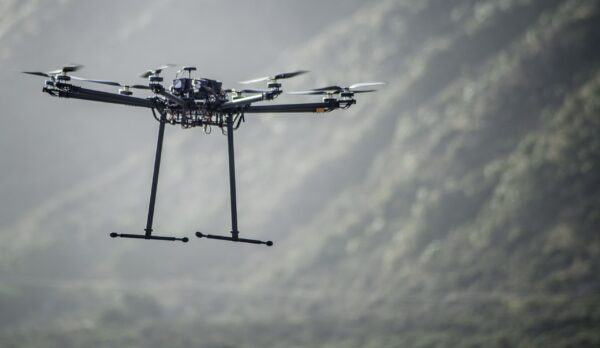
A NATO fighter jet shot down a Ukrainian drone over southern Estonia on Tuesday, according to Estonian officials, marking the latest incident in which the war between Ukraine and Russia has edged dangerously close to spilling deeper into NATO territory.
Estonian authorities said the drone was brought down after it entered the country’s airspace during what officials believe was an attempted strike against Russian targets. The aircraft was reportedly destroyed by a Romanian F-16 operating as part of NATO’s regional defense mission.
The incident adds to a growing list of cases in recent months involving Ukrainian drones either crashing in or crossing into NATO member countries while carrying out operations tied to the war. Western officials have previously blamed Russian electronic jamming systems for interfering with drone navigation and causing some aircraft to stray off course.
Ukraine later apologized for what it described as an “unintended incident,” though officials did not specify exactly what occurred.
Estonian Defense Minister Hanno Pevkur said authorities made the decision to destroy the drone because of its flight path and the potential danger posed by allowing it to continue through NATO airspace.
“Given the trajectory of the drone, we decided that we need to take it down,” Pevkur said, adding that it was “most probably … meant to hit some Russian targets.”
Meanwhile, Estonian Foreign Minister Margus Tsahkna emphasized that Estonia has not authorized Ukraine to use Estonian airspace for attacks against Russia.
The Kremlin responded by repeating warnings it has issued before, threatening retaliation if Ukrainian drones are launched from Baltic nations or if those countries are found to be complicit in operations targeting Russian territory.
The confrontation underscores how increasingly sophisticated long-range drone warfare is creating new risks for neighboring countries as the grinding conflict drags on with no clear diplomatic breakthrough in sight. While both sides continue escalating attacks far behind front lines, nearby NATO nations are finding themselves caught in the middle of a conflict they officially insist they are not directly fighting.
The latest tensions come after a May 9-11 ceasefire that President Donald Trump said he urged both countries to observe. However, the temporary pause appeared to have little meaningful effect on the broader war.
Heavy combat continues along the roughly 1,250-kilometer front line stretching across eastern and southern Ukraine, where Russia’s larger military continues a slow and costly campaign. Despite ongoing U.S.-led diplomatic efforts, there remains little indication that a negotiated settlement is close.
Ukraine has steadily expanded its long-range drone campaign against Russia, increasingly targeting energy infrastructure and weapons production facilities deep inside Russian territory. The strikes reflect improvements in Ukraine’s domestic drone production capabilities and growing reliance on unmanned systems as the war enters another prolonged phase.
At the same time, Russian drones aimed at Ukrainian targets have also reportedly crossed into neighboring NATO countries, including Poland and Romania, highlighting how the conflict’s technological escalation continues raising the risk of unintended international incidents.
Russian authorities said Sunday that one of the largest Ukrainian drone assaults on Russian territory killed at least four people, including three individuals near Moscow, while injuring more than a dozen others.
Long-range drone attacks have increasingly become one of the defining features of the war that began more than four years ago when Russia launched its full-scale invasion of Ukraine. As both sides intensify strikes beyond the battlefield itself, the danger of miscalculation or wider regional involvement appears to remain an ever-present concern hanging over Europe.