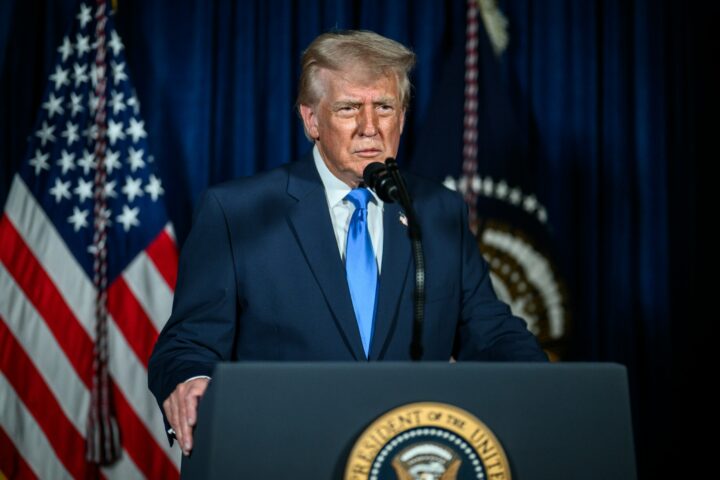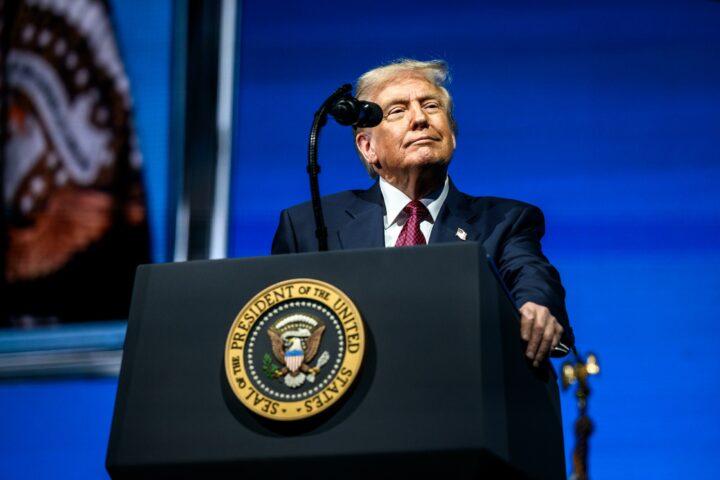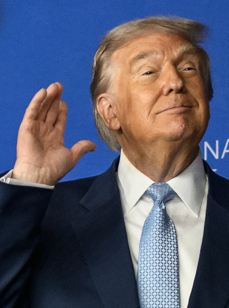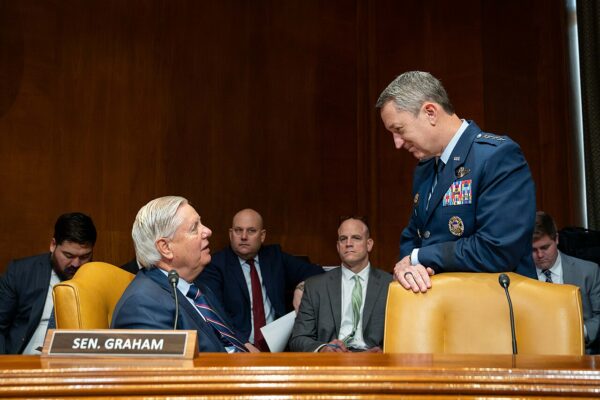
Sen. Lindsey Graham delivered a pointed message to China on Wednesday night, raising the stakes even as President Donald Trump met face-to-face with Chinese leader Xi Jinping in Beijing.
The summit itself struck a notably cordial tone. During a televised exchange, Trump told Xi, “It’s an honor to be your friend,” underscoring what he has repeatedly described as a strong personal relationship between the two leaders. Earlier in the visit, Trump was greeted by children waving both American and Chinese flags, a symbolic display of goodwill that highlighted the formal nature of the trip.
The president was accompanied by several high-profile American business leaders, including Elon Musk and Tim Cook, as well as his son Eric Trump, who has business ties to the Chinese Communist Party. The presence of corporate figures signaled the economic dimension of the visit, even as broader geopolitical tensions loom in the background.
But while the leaders exchanged pleasantries overseas, Graham struck a far sharper tone back home during an appearance on Fox News with Sean Hannity, who is in Beijing covering the summit. The South Carolina senator revealed he has introduced legislation that would allow Trump to impose tariffs on China over its purchases of Russian oil and gas.
Graham framed the proposal as part of a broader effort to pressure China into changing its behavior on the global stage. However, his remarks quickly escalated beyond legislative proposals, as he spoke in sweeping terms about China’s alliances and its role in ongoing international conflicts.
“You name the allies of China, they’re all dirtbags,” Graham said, accusing Beijing of aligning with what he described as some of the worst actors in the world. He argued that China’s economic ties to countries like Iran and Russia are helping sustain their operations, particularly through the purchase of discounted energy.
The senator went on to suggest that if China were to stop buying Iranian oil—or even threaten to do so—it could significantly alter the trajectory of the conflict involving Iran. He also called on China to play a role in reopening the Strait of Hormuz and in efforts to prevent Iran from developing a nuclear weapon.
At the same time, Graham linked China’s actions to the ongoing war between Russia and Ukraine, describing it as a “bloodbath” that continues to strain the global economy. His comments reflected a broader frustration among some U.S. policymakers who see China as a key player capable of influencing multiple international flashpoints.
Graham’s warning to Beijing was blunt: cooperate, and relations could improve; refuse, and economic consequences could follow. “If you help us, I will be very grateful,” he said. “If you don’t help us … I will do business with you on Monday and put tariffs on you on Tuesday.”
The remarks are consistent with Graham’s past rhetoric. In recent months, he has issued similar warnings to other nations, including Saudi Arabia and Cuba, signaling a willingness to use economic and political pressure to achieve U.S. objectives.
While such tough talk may resonate with those seeking a more assertive foreign policy, it also highlights the delicate balance between deterrence and escalation. Efforts to influence global conflicts through economic leverage can carry unintended consequences, particularly when multiple regions are already facing instability.
As Trump and Xi continue their high-level discussions, the contrast between diplomatic ceremony and hardline rhetoric serves as a reminder that even moments of cooperation often unfold against a backdrop of deeper tensions—where the costs of prolonged conflict are measured not just in strategy, but in human and economic terms alike.
[READ MORE: GOP Lawmaker Says Family Felt Fallout of DOJ Probe, Warns Against Government Overreach]