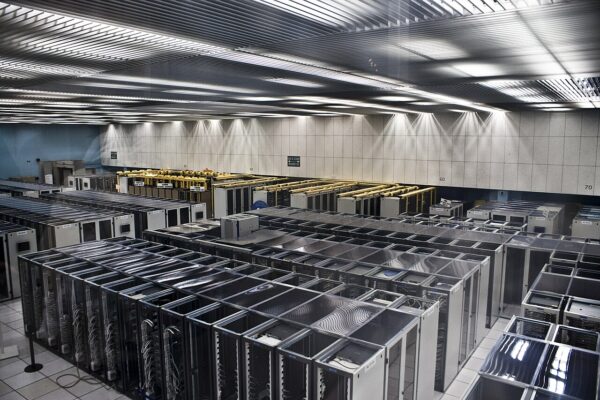
Voters in a Southern California city have delivered what appears to be a first-of-its-kind rebuke to the rapidly expanding infrastructure behind the artificial intelligence boom, overwhelmingly approving a measure that bans data centers throughout the community.
Residents of Monterey Park, located near Los Angeles, voted decisively in favor of the proposal during Tuesday’s election. According to results from the county clerk, roughly 86 percent of voters supported the measure, signaling broad opposition to the construction of large-scale data facilities within city limits.
The measure establishes a citywide prohibition on data centers and states that its purpose is to protect air quality, drinking water resources, and public health. It also seeks to prevent potential impacts on electricity and water rates, concerns that have become increasingly common as communities weigh the costs and benefits of hosting major technology projects.
The vote follows a contentious debate over a proposed data center development in Monterey Park. That project was ultimately withdrawn earlier this year after the city council adopted a moratorium on new data center construction. The local ballot measure now goes further by permanently prohibiting such facilities across the city.
The outcome reflects a growing trend across the country as communities push back against the rapid expansion of the digital infrastructure needed to support artificial intelligence. While technology companies continue racing to build the computing capacity necessary to develop and operate advanced AI systems, many local residents are expressing concerns about how those projects could affect their neighborhoods and public resources.
Monterey Park’s decision comes amid a broader wave of restrictions and moratorium efforts at both the local and state level. Earlier this year, a city in Wisconsin approved a referendum focused on data center construction. The measure required large-scale developments that receive tax benefits to obtain approval from local voters. That referendum followed the construction of a local data center campus that had received tax incentives.
State governments have also begun debating similar policies. Several legislatures are considering moratoriums on new data center development, though none have yet been enacted. In Maine, lawmakers approved a data center ban, but the measure was ultimately vetoed by Democratic Gov. Janet Mills.
Meanwhile, lawmakers in New York appear poised to pass a one-year moratorium on data center construction. It remains unclear whether Democratic Gov. Kathy Hochul will support the proposal if it reaches her desk.
The debate highlights a growing tension between technological advancement and local concerns over resource use. Data centers play a critical role in the AI industry, providing the extensive computing power needed to train and operate increasingly sophisticated systems. To meet rising demand, technology companies have sought to accelerate the development of new facilities across the country.
Yet public skepticism remains strong. A recent Gallup poll found that 71 percent of American adults oppose the construction of a data center in their own area. Respondents cited concerns about pressure on local resources, higher costs, and potential impacts on quality of life.
The decisive vote in Monterey Park suggests those concerns are resonating with voters, even as the race to expand AI infrastructure continues to accelerate nationwide.
[READ MORE: Trump Blasts ‘Unpatriotic’ Lawmakers After House Votes to Restrict His Iran War Powers]