Cuban President Miguel Díaz-Canel issued a stark warning Monday that any military action by the United States against Cuba would trigger a “bloodbath” with severe consequences for the region, as tensions between Washington and Havana continue rising over reports of a growing Cuban drone arsenal.
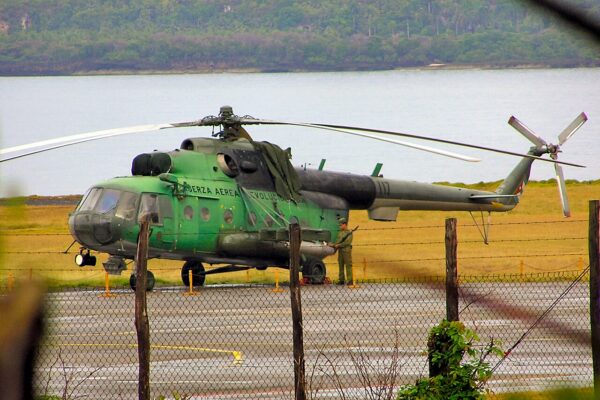
The warning came after Axios reported that Cuba has acquired more than 300 military drones and has discussed possible plans to use them against American targets, including the U.S. naval base at Guantanamo Bay Naval Base, military vessels, and potentially Key West. The report cited classified intelligence and included comments from a senior U.S. official who described the buildup as a “growing threat.”
In response, Díaz-Canel denied that Cuba poses a threat to the United States while warning that any military intervention could spiral into catastrophic violence.
“The threats of military aggression against Cuba from the world’s greatest power are well-known,” Díaz-Canel wrote on X, according to a translated version of the post. “If it were to materialize, it would trigger a bloodbath with incalculable consequences, plus the destructive impact on regional peace and stability.”
The Cuban leader insisted that Havana has “no aggressive plans or intentions against any country,” including the United States, while also asserting Cuba’s right to defend itself if attacked.
The increasingly heated rhetoric underscores how rapidly relations between the two countries have deteriorated in recent months, especially as the Trump administration intensifies pressure on adversarial governments across the Western Hemisphere.
President Donald Trump has reportedly considered military action against Cuba, often grouping the island nation alongside Venezuela and Iran — two countries against which the United States has already taken military action this year.
Last week, John Ratcliffe traveled to Havana to personally deliver a message from Trump warning Cuban officials that the United States was prepared to engage on economic and security issues only if Cuba agreed to “fundamental changes,” according to statements previously released by the CIA. Ratcliffe reportedly warned that the window for negotiations was narrowing.
Meanwhile, Cuban diplomat Lianys Torres Rivera told The Hill last week that Cuba intends to maintain its “red lines” and is preparing for the possibility of military action.
Pressure on the island has also intensified economically. According to the article, U.S. actions blocking oil and gas shipments to Cuba have worsened the country’s already severe energy crisis. Cuba reportedly lost access to regular oil supplies after U.S. military action in Venezuela led to the removal of President Nicolás Maduro.
The resulting shortages have left much of Cuba struggling through widespread blackouts and worsening humanitarian conditions. The article stated that some rolling blackouts now last up to 22 hours per day, while Cuban officials recently announced the country has effectively run out of oil and diesel.
The growing instability has fueled protests across the island as ordinary Cubans grapple with deteriorating living conditions.
At the same time, another flashpoint may be emerging between Washington and Havana. According to the Associated Press, the U.S. Department of Justice is reportedly seeking an indictment against former Cuban leader Raúl Castro in connection with the 1996 downing of planes operated by the Miami-based exile group Brothers to the Rescue.
The prospect of additional legal or military escalation has added to fears that decades-old hostilities between the two countries could once again move into dangerous territory, with both sides increasingly warning of severe consequences if diplomacy fully collapses.
[READ MORE: Trump Escalates Feud With Thomas Massie After Cassidy Primary Shakeup]