The Trump administration said Monday that the United States will maintain its current military posture in the Middle East throughout the 60-day negotiation period outlined in the recently signed memorandum of understanding with Iran, signaling that Washington intends to keep pressure on Tehran while talks continue.
Senior administration officials told reporters during a phone briefing that no immediate drawdown of American forces is planned, despite the agreement signed electronically over the weekend by President Donald Trump, Vice President JD Vance, and Mohammad Bagher Qalibaf, the speaker of Iran’s parliament.
“We hope to draw them down, but we’re not doing that yet,” a senior administration official said.
The official explained that any future reduction in forces would depend on Iran following through on the commitments outlined in the agreement and making concessions during negotiations toward a final deal.
“We want to see again the Iranians do what they promise they’re going to tell us that they’re going to do,” the official said.
According to the administration, the memorandum envisions a reduction of military forces in the region if a comprehensive agreement is ultimately reached. Officials stressed, however, that such an outcome depends on Iran making additional concessions and abandoning certain activities connected to its nuclear program.
The comments underscore the cautious approach being taken by the administration as negotiations move forward. While the agreement is intended to create a pathway toward a broader settlement, officials indicated they are not yet prepared to scale back the military assets assembled during the conflict.
Administration officials said the memorandum itself is expected to be released publicly within the next 24 to 48 hours, potentially providing greater insight into the commitments made by both sides and the framework for future negotiations.
The current U.S. force posture reflects a major military buildup that took place ahead of the joint U.S.-Israeli strikes against Iran on Feb. 28.
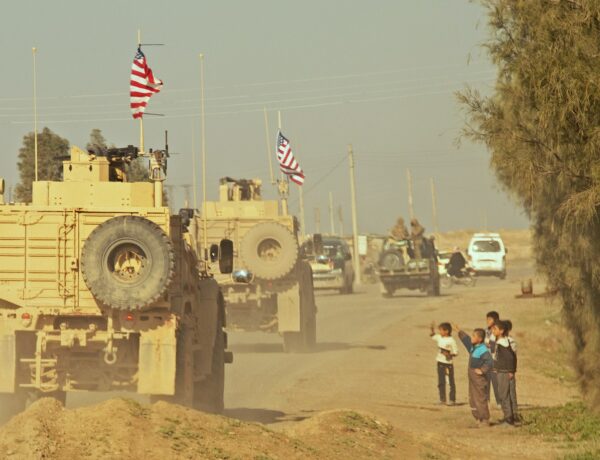
In preparation for those operations, the Pentagon deployed substantial resources into the U.S. Central Command region, including warships, fighter aircraft, surveillance platforms, drones, Marines, Army paratroopers, and other military personnel.
As of late March, more than 50,000 American service members were deployed across the Central Command area of responsibility, according to the administration.
At one stage of the buildup, the United States had three aircraft carriers operating in the region along with more than 200 aircraft. Additional forces included troops from the Army’s 82nd Airborne Division and Marine Expeditionary Units composed of Marines and sailors.
The scale of the deployment highlighted the seriousness of the confrontation and the risks associated with a widening regional conflict. While negotiations now appear to have opened a diplomatic track, administration officials made clear that military deterrence remains a central component of the strategy.
Defense Secretary Pete Hegseth reinforced that message during an appearance Sunday on CBS’s “Face the Nation.”
Hegseth said the United States would maintain whatever military posture is necessary to ensure Iran complies with the memorandum during the 60-day negotiating period.
“Our military posture will be whatever it needs to be to ensure they’re compelled over these 60 days through the memorandum of understanding that they live up to what they said they would do,” Hegseth said.
He also pointed to one of the key provisions contained in the document, stating that Iran has committed that it “will never have a nuclear weapon, won’t seek one, won’t buy one, won’t have one.”
For now, the administration appears focused on balancing diplomacy with deterrence, keeping its substantial military presence in place while awaiting evidence that Tehran will honor the commitments outlined in the agreement.
[READ MORE: Trump Ties FISA Renewal to Stalled Voting Bill]