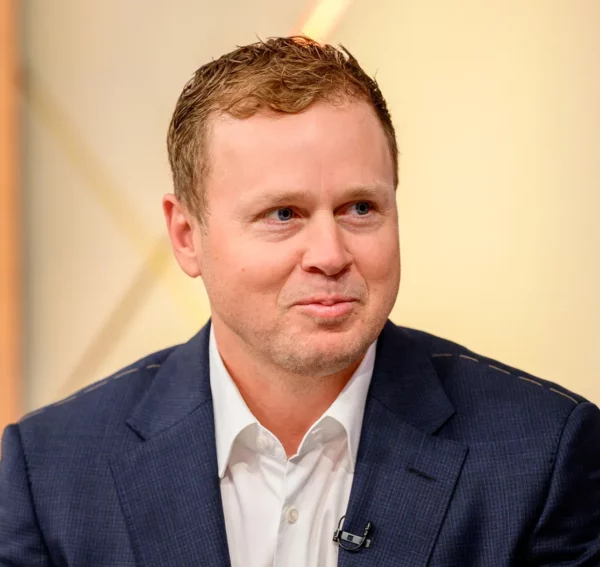
Los Angeles mayoral candidate Spencer Pratt delivered a dramatic closing argument to voters Monday as the city’s election entered its final hours, portraying the race as a pivotal moment for a city he believes is facing serious challenges.
“Los Angeles either votes for Pratt or it votes for death,” Pratt told The California Post. “The greatest city on Earth hangs in the balance.”
The remarks came as Pratt wrapped up weeks of campaigning across Los Angeles, where he spent the final stretch of the race attending community gatherings, meeting residents and making direct appeals to voters before polls close.
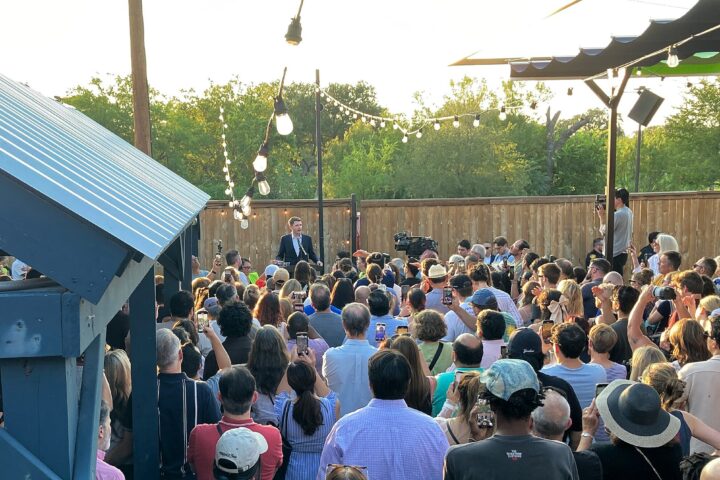
One of his final public appearances took place Saturday in Baldwin Hills, where local residents invited him to attend a community barbecue. According to the report, roughly 150 people gathered at the event to discuss issues ranging from homelessness and crime to public safety, government accountability and the future direction of the city.
Pratt said his campaign has focused heavily on listening to residents and hearing firsthand about the problems they believe city leaders have failed to address.
Following the event, Pratt described Baldwin Village as a neighborhood filled with potential but said many residents expressed disappointment with current leadership.
“Baldwin Village is a beautiful area with great people and tremendous potential,” Pratt told The Post. “But the thing that stood out to me is how disappointed they all are with Karen Bass.”
According to Pratt, residents told him they feel discouraged and disconnected from City Hall. He said many voters are looking for alternatives to traditional political leadership and are attracted to candidates who share their distrust of established politicians.
Throughout the campaign, Pratt has argued that Los Angeles faces a collection of interconnected problems that require urgent attention.
In one of his strongest critiques, he pointed to deaths among the homeless population, conditions on Skid Row, euthanasia rates in city animal shelters and the impact of wildfires on vulnerable residents.
“Six people die every day on the streets. Dogs and cats are tortured to death on Skid Row. Thousands more are euthanized in city shelters. Seniors are burning alive in preventable wildfires,” Pratt told The Post.
He argued that the city’s decline is not inevitable but rather the result of policy choices, adding that Los Angeles is “on life support” and needs a new direction.
As Election Day approached, Pratt’s campaign shifted into a quieter phase. Campaign officials said the candidate spent Monday making private visits with voters while maintaining a lower public profile as campaigns made their final efforts to mobilize supporters.
Turnout figures suggest that voter participation could play a decisive role in the outcome of the race.
According to election data cited in the report, approximately 91,000 additional ballots had been returned since the previous update, bringing the total number of ballots cast to 306,476. With roughly 2.2 million registered voters in Los Angeles, turnout stood at about 14 percent, leaving nearly 1.9 million ballots still outstanding.
Political strategists told The California Post that turnout patterns may ultimately determine who prevails.
Some of the strongest participation rates have come from Westside neighborhoods, including Pacific Palisades, where Pratt resides. Voter participation in those areas has approached 20 percent, compared with approximately 12 percent in the MacArthur Park area and roughly 6 percent in portions of South Los Angeles.
The report also noted that Republican participation is running about four percentage points ahead of its share of the electorate during the city’s 2022 mayoral election.
Another notable trend involves younger voters. Residents between the ages of 18 and 34 account for roughly 13 percent of ballots returned so far, compared with approximately 9.5 percent during the previous mayoral cycle.
With polls set to close Tuesday, Pratt continued urging residents to vote, arguing that Los Angeles stands at a crossroads and that the decisions made by voters will shape the city’s future in the years ahead.
[READ MORE: Trump Taps Housing Regulator Bill Pulte as Acting National Intelligence Director]