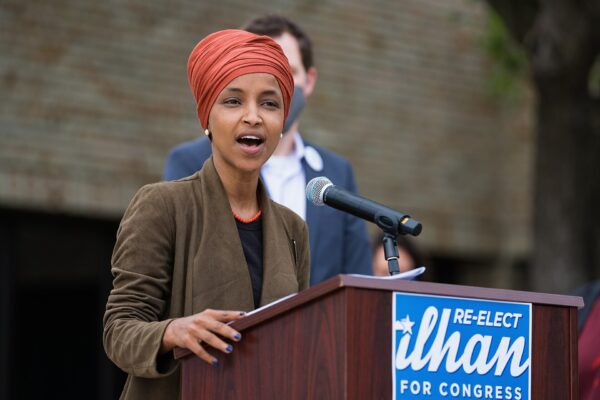
Rep. Ilhan Omar (D-Minn.) raised eyebrows this week with a candid remark about marijuana use on Capitol Hill, suggesting that more lawmakers may partake than publicly admit, even as the national conversation around cannabis continues to evolve.
Speaking with TMZ in Washington, D.C., Omar, who serves as co-chair of the Congressional Cannabis Caucus, addressed questions about shifting policies surrounding both medical and recreational marijuana. When asked whether it was unusual that no members of Congress openly identify as marijuana users, Omar pushed back on the premise, emphasizing that advocacy does not necessarily equal personal use.
“I will say — advocacy for legalizing doesn’t necessarily mean that you are a user,” she explained, noting that support for legalization often stems from broader concerns about criminal justice. Omar pointed to the significant cost of enforcing marijuana laws, arguing that it makes little sense to continue spending billions of dollars incarcerating individuals for minor drug offenses such as “smoking a joint.”
Still, when pressed further, Omar offered a more revealing aside. With a smile and a laugh, she remarked, “I think there are a lot of people who smoke cannabis in Congress,” before flashing a peace sign and walking away.
Her comments come at a time when marijuana policy is undergoing a noticeable shift at the federal level. Omar underscored the growing momentum behind legalization, particularly as more states have already moved to approve cannabis for medical or recreational use. She also credited President Donald Trump with helping reshape the Republican Party’s approach to drug policy, opening the door for new discussions among GOP lawmakers.
“I think any step forward is a good step, but we need to go farther than where we are yet,” Omar said. “We need to continue building the coalition… it’s time for us to come together and get this done.”
Recent actions from the Trump administration highlight that changing approach. Last month, the president signed an executive order aimed at loosening restrictions on research into psychedelic drugs, particularly for treating conditions like depression and substance abuse. The order directed the Food and Drug Administration to accelerate its review process, paving the way for potential approvals of new treatments.
Some Republican lawmakers, including Reps. Morgan Luttrell of Texas and Jack Bergman of Michigan, have supported expanding access to psychedelic therapies, especially for veterans seeking alternatives for mental health care.
Shortly afterward, Acting Attorney General Todd Blanche announced a move to reclassify state-licensed medical marijuana as less dangerous, part of a broader push to expand access to treatment options. The decision also reduces regulatory burdens and provides tax relief for licensed operators.
“These actions will enable more targeted, rigorous research,” Blanche said, adding that the goal is to improve patient access and equip doctors with better information.
While these changes stop short of fully legalizing recreational use at the federal level, they mark a clear departure from the long-standing “war on drugs” framework established during the Nixon era. That shift, while welcomed by some, also raises questions about how far the country should go—and at what cost—as it continues to rethink decades of drug policy.
[READ MORE: Graham Issues Stark Warning to China as Trump Meets Xi in Beijing]