Tensions in one of the world’s most critical shipping lanes escalated sharply this week, as a series of maritime incidents near the Strait of Hormuz highlighted both the risks of prolonged conflict and the growing strain on global stability.
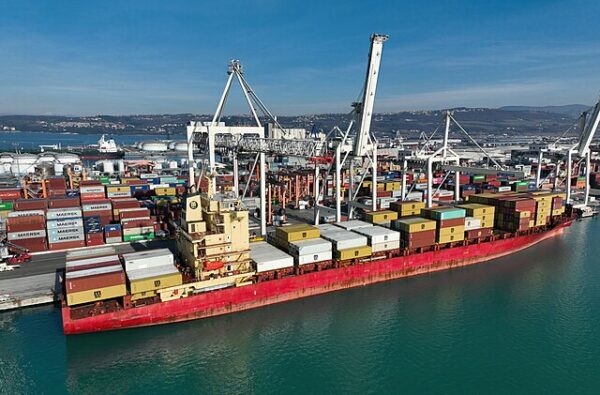
Authorities confirmed that a ship anchored off the United Arab Emirates was seized and redirected toward Iran, while a separate cargo vessel sank near Oman following an attack that sparked a fire onboard. It remains unclear who was responsible for either incident, but both occurred against the backdrop of heightened regional tensions and renewed claims from Iranian officials asserting control over the strategic waterway.
The Strait of Hormuz, long considered a vital artery for global energy supplies, has become a focal point in the broader standoff between the United States and Iran. Before the war, roughly a fifth of the world’s oil passed through the narrow channel. Now, instability there has contributed to economic ripple effects, including rising fuel prices and growing uncertainty in international markets.
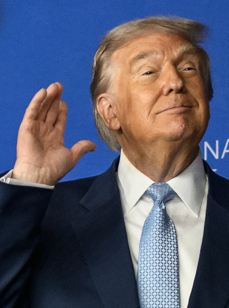
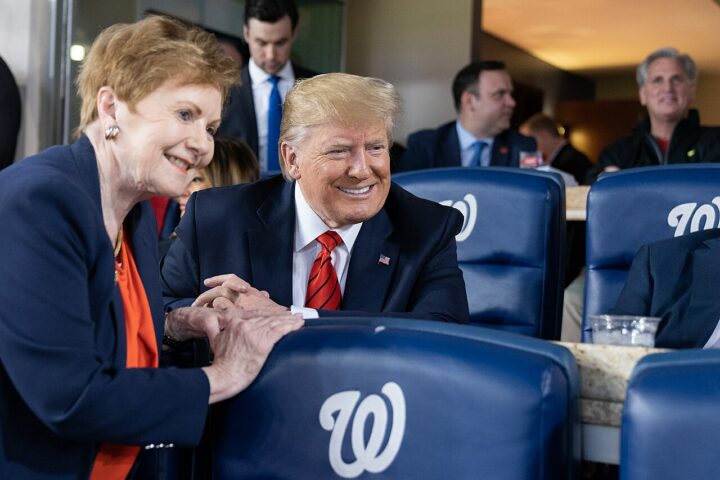
The latest developments come as President Donald Trump met with Chinese President Xi Jinping in Beijing, where both sides agreed on the importance of keeping the strait open. Yet even as diplomatic efforts continue, events on the water suggest how fragile that goal remains.
Recent weeks have seen escalating confrontations. U.S. forces reportedly fired on and disabled Iranian oil tankers they said were attempting to breach a blockade, underscoring how quickly tensions can turn kinetic. While such actions may be framed as necessary enforcement, they also reflect the broader reality that military measures often deepen already volatile situations.
Details surrounding Thursday’s seizure remain limited. The United Kingdom Maritime Trade Operations center said the vessel was taken by unauthorized personnel while anchored near Fujairah, a key UAE port that has faced repeated attacks during the conflict. The British military later indicated the ship was heading toward Iranian waters.
Meanwhile, Indian officials confirmed that a cargo ship flying their flag sank off Oman after an attack. All 14 crew members were rescued safely, but the incident drew condemnation from India’s foreign ministry, which called continued assaults on civilian shipping “unacceptable.”
Complicating matters further, Iranian media reported that Chinese vessels began transiting the strait under new protocols negotiated with Tehran. This development came as Trump arrived in China, signaling how global powers are being pulled into an increasingly complex situation.
Iran has also raised the stakes diplomatically, outlining conditions for future talks with the United States that include reparations and recognition of its sovereignty over the strait. Such demands are unlikely to be accepted, as they would fundamentally alter the status of a waterway that has historically been open to international traffic.
Iranian officials have gone further, defending what they describe as a legal right to seize vessels tied to the United States, citing alleged violations of maritime law. These claims follow earlier seizures, including a tanker identified as the Ocean Koi.
Despite these developments, U.S. military leadership maintains that Iran’s capabilities have been significantly weakened. Still, officials acknowledge that rhetoric alone is affecting global shipping, with threats influencing both commercial operators and insurers.
While the U.S. has the capacity to reopen the strait by force, leaders have signaled caution, pointing instead to ongoing negotiations. That restraint reflects a difficult truth: even when military options are available, their use can carry consequences that extend far beyond the immediate battlefield, especially in a region where every escalation risks drawing in more players and prolonging instability.
[READ MORE: Graham Issues Stark Warning to China as Trump Meets Xi in Beijing]