A fresh clash between lawmakers and the intelligence community is reportedly raising new questions about transparency, accountability, and the lingering controversy surrounding the origins of COVID-19.
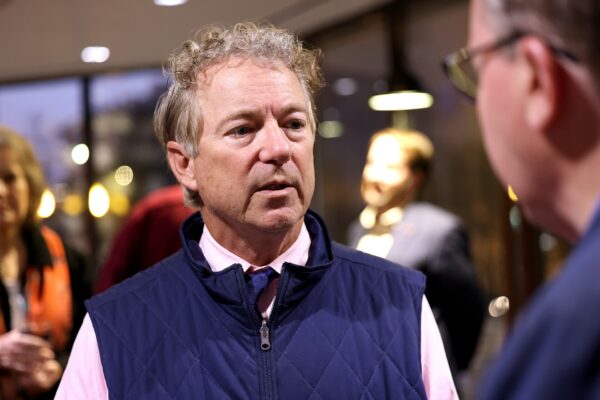
The Central Intelligence Agency publicly rebuked Sen. Rand Paul and the Senate Homeland Security Committee after a CIA officer was subpoenaed to testify about what some lawmakers have described as a potential government cover-up tied to the pandemic. The unusual public criticism underscores growing tensions between congressional investigators and federal agencies over how the early days of COVID-19 were handled.
In a sharply worded statement, CIA Director of Public Affairs Liz Lyons accused the committee of acting improperly by compelling testimony without notifying the agency. She argued that the officer had already provided closed-door testimony, making the subpoena unnecessary and politically motivated.
Lyons also rejected the notion that the hearing was a legitimate whistleblower effort, instead framing it as partisan spectacle. According to the CIA, the agency has already assessed that COVID-19 most likely originated from a lab leak, and attempts to challenge that conclusion, she said, are misleading.
For his part, Paul has taken a far more aggressive stance. The Kentucky senator has repeatedly accused Dr. Anthony Fauci, the former head of the National Institute of Allergy and Infectious Diseases, of playing a role in obscuring the truth about the virus’s origins. Fauci has consistently denied those allegations.
Paul made clear this week that he intends to continue pressing the issue, regardless of whether federal prosecutors take action. In a social media post, he argued that the American public already understands what happened and vowed to keep pursuing answers about what he calls a “great COVID cover-up.” He specifically pointed to the testimony of a CIA whistleblower as a key step in that effort.
That whistleblower, identified as James Erdman III, delivered accusations during Wednesday’s proceedings, claiming that Fauci interfered with the CIA’s internal investigation into the pandemic. According to Erdman, Fauci sought to undermine the lab leak theory, a charge that, if true, would deepen concerns about political influence shaping scientific inquiry.
The dispute highlights a broader issue that has lingered since the early days of the pandemic: whether government institutions were fully transparent with the American people during a moment of global crisis. While intelligence agencies now lean toward the lab leak explanation, the path to that conclusion has been marked by shifting narratives and ongoing skepticism.
At the same time, the escalating rhetoric surrounding the investigation reflects a deeper divide in Washington, where oversight efforts can quickly turn into political flashpoints. The CIA’s characterization of the hearing as “dishonest political theater” suggests that even attempts at accountability risk becoming entangled in partisan conflict.
As lawmakers continue to dig into the origins of COVID-19, the stakes remain high. Questions about how the pandemic began — and whether key figures acted appropriately — are not just matters of political debate, but issues that could shape public trust in government institutions for years to come.
[READ MORE: Gorka Weighs “Right-Wing Extremism,” Sparks Debate Over Conservatism and Free Speech]