A fresh round of inflation data is now reportedly complicating the Trump administration’s economic narrative, as rising prices continue to weigh heavily on American households already stretched by higher living costs.
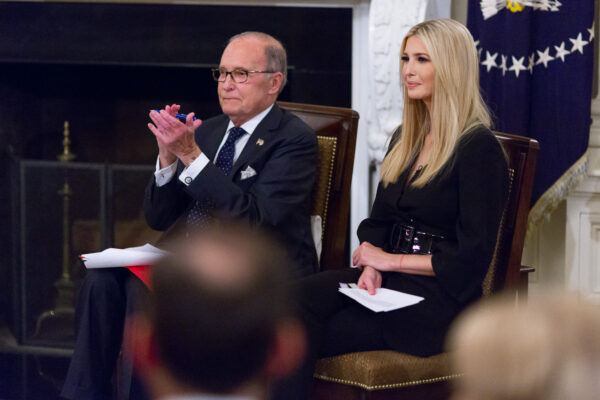
During a Tuesday appearance, Fox Business host Larry Kudlow pressed National Economic Council Director Kevin Hassett on the latest numbers, calling the new Consumer Price Index report “lousy” and reflecting a reality many Americans are feeling at the checkout counter.
The data from the Labor Department showed the CPI rising 3.8 percent over the past year, with a notable 0.6 percent jump in April alone. Even stripping out volatile energy prices, so-called core inflation remained elevated, increasing 0.4 percent for the month. The figures mark a step up from March’s already concerning 3.3 percent annual rate, reinforcing worries that inflation may not be cooling as quickly as hoped.
Kudlow didn’t mince words, acknowledging the obvious challenge the numbers present. In a moment of candor, he asked what an economic adviser is supposed to say when the data comes in so poorly. The exchange, punctuated by laughter, underscored the uneasy balance between optimism and economic reality.
Hassett pointed to energy prices as the primary culprit, describing the situation as a “temporary energy shock.” According to his view, policymakers — including those at the Federal Reserve — often look past such fluctuations and focus instead on underlying trends. That argument may offer some reassurance in Washington, but it does little to ease the immediate strain felt by consumers facing higher fuel and transportation costs.
Indeed, energy appears to be at the center of the current inflation surge. Government data shows that gasoline alone accounted for roughly 40 percent of the monthly increase, with higher fuel costs rippling through the broader economy and pushing up prices on goods and services alike. For families already grappling with rising expenses, the distinction between “temporary” and “persistent” inflation may feel academic.
Hassett expressed confidence that relief could be on the horizon, tying future price declines to developments overseas. He suggested that once the Strait of Hormuz is reopened amid the ongoing tensions involving Iran, oil supply could increase sharply, driving prices down. The administration, he said, believes the situation is nearing resolution, potentially unleashing what he described as a “gusher of oil.”
But that optimism comes with an implicit reminder: economic stability is increasingly tied to geopolitical flashpoints. While the hope of lower energy costs is welcome, relying on the resolution of overseas conflicts to ease domestic inflation highlights a fragile dynamic — one where global instability can quickly translate into higher costs at home.
The pressure is not limited to economic indicators. Producer prices have also surged, rising 6 percent over the past year, with a 1.4 percent jump in April — the largest monthly increase since early 2022. These upstream cost increases often signal further price hikes down the line, adding to concerns about sustained inflation.
Politically, the numbers could carry significant consequences. Despite returning to office criticizing the previous administration’s handling of inflation, President Donald Trump now faces growing skepticism from the public. A CNN poll released Tuesday found that 77 percent of Americans blame his policies for rising prices, while only a small fraction credit his administration with reducing costs.
At the same time, Trump signaled that economic concerns are not shaping his approach to foreign policy. Speaking to reporters, he emphasized that his focus remains on preventing Iran from obtaining a nuclear weapon, rather than on the financial strain facing Americans.
That stance may resonate on matters of national security, but it also underscores a broader tension. As inflation continues to bite, Americans are left navigating the intersection of economic policy and global conflict — a reminder that even distant struggles can carry a direct cost at home.
[READ MORE: Gorka Weighs “Right-Wing Extremism,” Sparks Debate Over Conservatism and Free Speech]