As the conflict with Iran continues to ripple through global energy markets, new reporting suggests that U.S. officials may have underestimated Tehran’s willingness to shut down the Strait of Hormuz — a move now threatening to send shockwaves through the international economy.
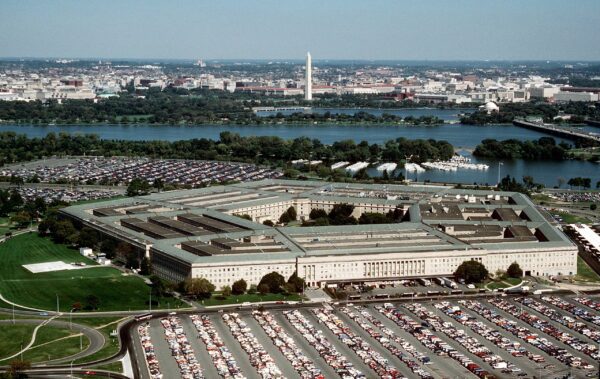
According to multiple sources familiar with internal discussions, planners within the Pentagon and the National Security Council did not fully anticipate that Iran would move so aggressively to close the strategic waterway following U.S. and Israeli military strikes.
The strait, a narrow but vital shipping route in the Middle East, carries a significant portion of the world’s oil and liquefied natural gas exports. Its disruption has become one of the most serious economic consequences of the ongoing conflict.
Sources say President Donald Trump’s national security team did not fully account for what some officials now describe as a worst-case scenario: Iran taking the drastic step of effectively shutting the corridor in retaliation for military action.
While representatives from the Departments of Energy and Treasury attended some planning meetings ahead of the operation, several sources said the kind of detailed economic analysis and forecasting typically associated with past administrations played a secondary role in the discussions.
Treasury Secretary Scott Bessent and Energy Secretary Chris Wright have remained involved throughout the planning and execution of the campaign, according to officials. But sources say the president’s preference for relying on a smaller circle of trusted advisers meant broader interagency debate about possible economic consequences — including the possibility of a closure of the strait — received less attention.
Now the administration faces the challenge of managing the economic fallout while the conflict continues.
Officials said Thursday that it could take weeks before measures designed to stabilize markets begin to take effect. Among the possible responses under discussion are naval escorts for oil tankers attempting to pass through the strait.
However, Pentagon officials currently consider the situation too dangerous to begin such operations.
Despite the rising tensions in energy markets, President Trump has publicly downplayed the threat. In an interview with Fox News set to air Friday, the president said tanker crews should “show some guts” and continue sailing through the corridor.
But on the ground — and on the water — the reality appears far more complicated.
Industry executives and international partners have reportedly reacted with confusion and concern as the crisis unfolded. One former U.S. official who served under both Republican and Democratic administrations said the situation was deeply surprising.
“Planning around preventing this exact scenario — impossible as it has long seemed — has been a bedrock principle of U.S. national security policy for decades,” the former official said. “I’m dumbfounded.”
Shipping companies operating in the region have repeatedly asked the U.S. Navy to provide escorts for oil tankers. So far, those requests have been declined.
According to two shipping executives familiar with the discussions, military officials conducting regular industry briefings have made clear that they have not received orders to begin escort operations and that the risk to U.S. forces remains extremely high.
Bessent said Thursday that escorts would begin when conditions allow.
“That was always in our planning, that there’s a chance that U.S. Navy, or perhaps an international coalition, will be escorting oil tankers through,” he said during an interview with Sky News.
Lawmakers have also raised concerns. During a recent classified briefing, members of Congress pressed administration officials about whether a clear operational plan exists to reopen the strait if the situation continues to deteriorate.
An administration official disputed claims that no plan exists, pointing out that the U.S. military has long prepared for disruptions in the strategic corridor.
Still, sources familiar with the briefing said there were no immediate solutions on the table capable of quickly restoring safe passage, particularly given the continued threat posed by Iranian military assets near the waterway.
Some officials believe the miscalculation stemmed from the assumption that Iran would ultimately avoid closing the strait because doing so would harm its own economy. That belief was reinforced by previous Iranian threats to disrupt the corridor after U.S. strikes on Iranian nuclear facilities last summer — threats that ultimately did not materialize at the time.
The White House has strongly pushed back on suggestions that the administration failed to anticipate the risk.
“Through a detailed planning process, the entire administration is and was prepared for any potential action taken by the terrorist Iranian regime,” spokeswoman Anna Kelly said Thursday while highlighting the success of U.S. military operations.
Defense Secretary Pete Hegseth dismissed the criticism outright during a press briefing Friday.
“Of course, for decades, Iran has threatened shipping in the Strait of Hormuz,” he said. “This is always what they do — hold the Strait hostage. CNN doesn’t think we thought of that. It’s a fundamentally unserious report.”
White House press secretary Karoline Leavitt also said on social media that President Trump had been “fully briefed” on the possibility of Iran closing the strait.
Still, the unfolding crisis illustrates how quickly military conflict can spill beyond the battlefield. Even when leaders anticipate retaliation, the global consequences — especially when vital energy routes are involved — can prove far more difficult to control once events are set in motion.
[READ MORE: Cuba Negotiating With Trump]