White House press secretary Karoline Leavitt is expected to welcome her second child next week, marking a historic and personal milestone for one of the youngest figures ever to hold the high-profile role. At just 28 years old, Leavitt has already broken ground as the youngest press secretary in U.S. history, and notably, the first known to serve while pregnant.
According to a White House official, it remains unclear how long Leavitt will step away from her duties following the birth. Like other federal employees, she is generally entitled to 12 weeks of paid parental leave. However, the administration has not indicated whether she will take the full allotment, leaving open questions about how quickly she may return to the podium.
In her absence, the White House is not planning to appoint a formal interim press secretary. Instead, officials say a rotating group of administration figures will handle press briefings. That lineup could even include Donald Trump himself, along with Vice President J.D. Vance, offering a potentially unconventional approach to communicating with the media during a period of transition.
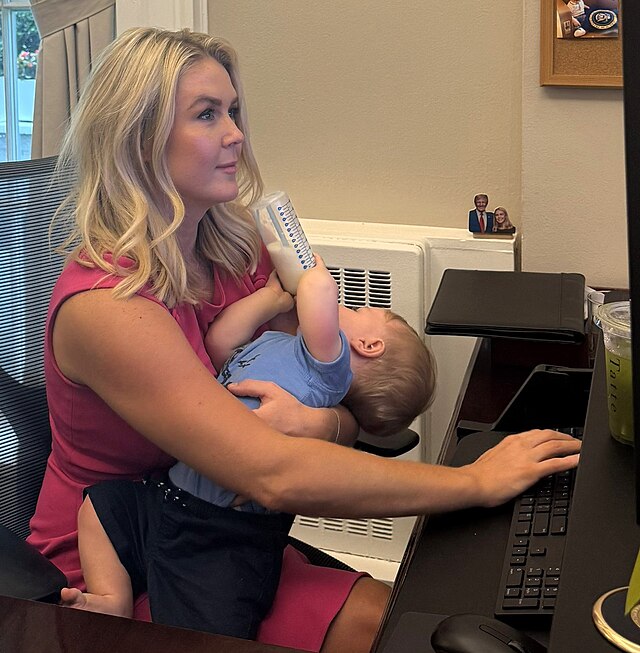
Leavitt’s pregnancy was first announced in December, when she shared that she and her husband, Nicholas Riccio, were expecting a daughter. The couple’s first child, Niko, was born in July 2024 and has already made appearances in the briefing room during special events, underscoring the blending of family life with the demanding pace of public service.
In a social media post following Christmas, Leavitt expressed optimism about the future, writing that she was excited to become a “girl mom” and that the coming year would be a meaningful one for her family. She also credited both President Trump and chief of staff Susie Wiles for fostering what she described as a supportive, pro-family environment within the White House.
Despite the physical demands of pregnancy, Leavitt has remained active in her role, continuing to serve as a key voice for the administration without taking significant time off. Her tenure has been marked not only by her youth but also by a willingness to shift how the White House engages with the press corps.
One of her most notable changes has been the introduction of a designated space in the briefing room for “new media” voices. This section, frequently occupied by podcasters, independent journalists, and digital content creators, reflects a broader effort to diversify the types of outlets given access and priority during briefings. Leavitt has often called on these figures first, signaling a departure from the traditional dominance of legacy media organizations.
As the White House prepares for her temporary absence, the evolving structure of the briefing room may face its own test. A rotating cast of officials could bring varied messaging styles, raising questions about consistency during a time when clear communication is often critical.
While Leavitt’s upcoming leave is centered on a personal and family milestone, it also highlights the broader balancing act faced by public servants—especially in high-pressure roles tied to national leadership. Even amid the constant churn of political priorities and global tensions, moments like these serve as a reminder that family life continues alongside the machinery of government, sometimes offering a pause, however brief, from the weightier matters that define Washington.