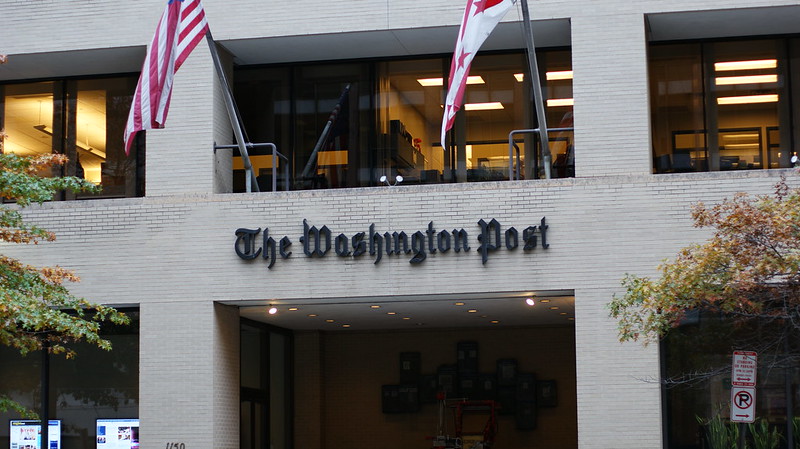
A Washington Post military affairs correspondent faced pushback from the Pentagon after suggesting reporters needed greater access to sailors aboard the USS Abraham Lincoln — only to be reminded that CNN had embedded a reporter aboard the aircraft carrier just one month earlier.
Media coverage has focused heavily on morale aboard the Lincoln, which has endured a lengthy deployment connected to the Iran War. Reports have raised questions about sailors’ mental health, supplies and conditions aboard the carrier.
The dispute unfolded after Chief Pentagon Spokesman and senior adviser to Defense Secretary Pete Hegseth, Sean Parnell, commented on a post from Navy Secretary Hung Cao.
Parnell acknowledged that sailors were facing challenges associated with a lengthy wartime deployment but argued such conditions were not unusual during combat operations, citing his own military experience.
Washington Post military affairs correspondent Dan Lamothe responded by suggesting the Pentagon provide journalists with greater firsthand access.
“Sean, a suggestion: If you want well-rounded stories of rank-and-file troops told well, you need to put real, independent journalists alongside them on occasion. Embeds. Embarks. Visits, at least,” Lamothe wrote.
“Not everything comes through on Instagram,” he added, signing off, “V/R, Someone who has done this work.”
But the Department of War’s rapid response account quickly pointed out that CNN’s Pamela Brown had recently been embedded aboard the USS Abraham Lincoln.
“Pamela Brown from CNN was actually embedded aboard the USS Abraham Lincoln just a month ago—and they even ate ice cream while visiting the ship!” the account wrote.
Lamothe responded by referring to an experience he had at the border.
The exchange came as widespread media reports have focused on alleged man-overboard incidents, shortages and other problems aboard the Lincoln. But some details have emerged that complicate the broader speculation surrounding the ship.
CNN reported that one man-overboard incident had taken place.
Questions have also surrounded diminished supplies aboard the carrier. But according to the information presented, the supply difficulties were not caused by neglect. Instead, the Lincoln’s main supply port was under threat from Iranian drones, forcing supplies to come from the more distant Diego Garcia in the Indian Ocean.
The article argues that media coverage has frequently implied the Trump administration has failed to adequately support sailors while important details explaining the circumstances have emerged more slowly.
It also contrasts the current criticism with earlier press scrutiny of military food spending. Not long before concerns emerged about shortages and conditions aboard the Lincoln, reports criticized the military for allegedly spending $22 million on steak and lobster in a single month.
The back-and-forth between Lamothe and the Pentagon highlights the broader dispute over how conditions aboard the USS Abraham Lincoln have been portrayed — and whether media speculation has moved faster than the facts surrounding the carrier’s extended wartime deployment.