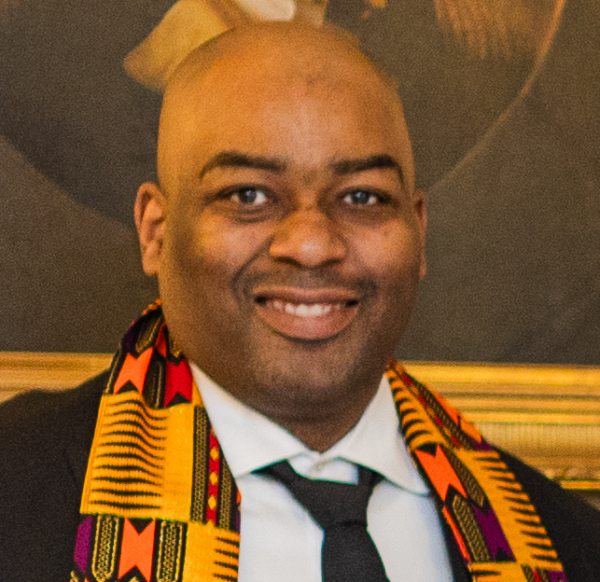
Virginia state Sen. Lamont Bagby is drawing attention after suggesting he understands rural America in part because he grew up watching classic television shows like The Dukes of Hazzard.
The comment came during a heated state Senate floor debate Thursday over gerrymandering, following a major political development earlier in the week. Democrats in Virginia secured approval of a redistricting measure that will allow the state legislature to temporarily redraw congressional maps. The change could potentially give Democrats an opening to flip up to four Republican-held House seats, a prospect that has intensified partisan tensions.
Republicans quickly blasted the outcome, with President Donald Trump taking to social media to denounce the vote in forceful terms. In a Truth Social post, Trump called the result a “RIGGED ELECTION” and a “Crooked Victory,” alleging that a late surge of mail-in ballots tipped the outcome after Republicans had been leading earlier in the day. His comments echoed long-standing concerns among conservatives about election processes and transparency, even as debates over those claims continue to divide the country.
Against that backdrop, Bagby took to the Senate floor to respond to criticism from Republicans who argued that Democrats do not fully grasp the impact of the redistricting effort, particularly on rural communities. Bagby said he “almost took issue” with the suggestion that his side lacked understanding, before offering an explanation that quickly turned heads.
“I grew up watching the Waltons, I grew up with Opie, I even watched the Dukes of Hazzard,” Bagby said, referencing a range of well-known television characters. “I think I know a little bit about rural America.”
The remark drew laughter from those in the chamber, but it also underscored the broader cultural divide that often surfaces in political debates about representation. Critics may see such comments as out of touch, while supporters might interpret them as an attempt to connect shared cultural experiences to modern policy discussions.
Bagby continued by expanding on his point, leaning further into television references to explain his role as a lawmaker. He listed several fictional characters, saying he was not just serving one group but a broader cross-section of Americans, invoking names like Theo, Arnold, Willis, Opie, John-Boy, and Topanga.
The exchange highlights how political messaging can sometimes drift into symbolism rather than substance, particularly in debates as consequential as redistricting. At stake is not only the balance of power in Congress, but also public trust in how those lines are drawn.
While the focus of this debate remains domestic, it comes at a time when national attention is also divided by broader challenges, including ongoing international tensions. Moments like these, critics argue, can reinforce concerns that political leaders are not always focused on the most pressing issues facing the country.
For now, Bagby’s remarks have added a dose of levity to an otherwise contentious debate, but they also serve as a reminder of the deeper questions at play: who truly understands the communities being represented, and how that understanding should shape decisions with far-reaching consequences.
[READ MORE: California Governor’s Race Tightens as Candidates Prepare for Key Debate]