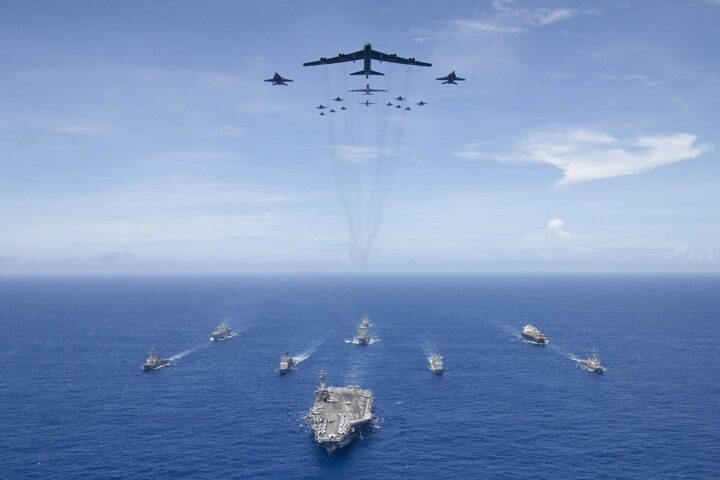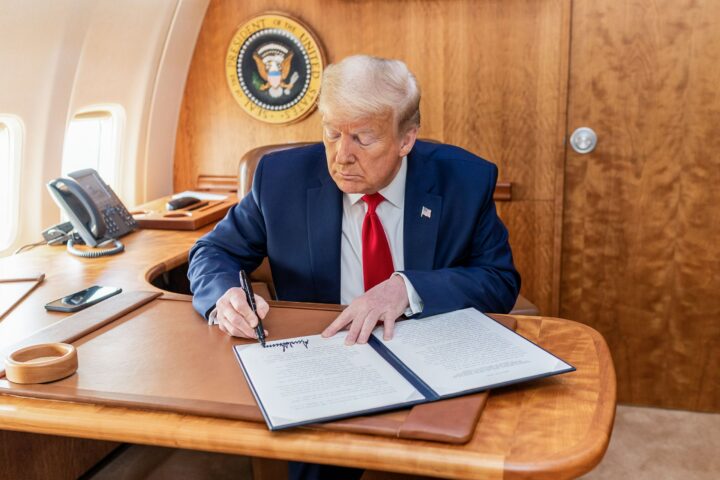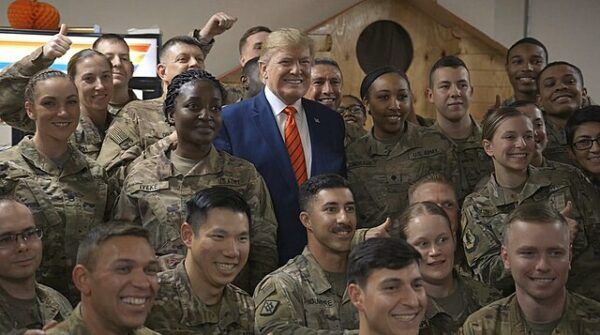
The United States is reportedly preparing to expand its military footprint in the Middle East, as President Donald Trump ordered an additional 3,000 troops to the region this week, according to reporting from Fox News Chief National Security Correspondent Jennifer Griffin.
Griffin reported Tuesday that Maj. Gen. Brandon Tegtmeier, commander of the 82nd Airborne Division, along with members of his headquarters staff, has been directed to deploy. The move comes as both the Pentagon and the White House consider whether to send elements of the storied division into the region for potential ground operations.
While no final decision has been made regarding boots on the ground inside Iran, officials have acknowledged that positioning the 82nd Airborne provides the administration with a broader range of military options. As The Wall Street Journal noted in confirming the report, such a deployment could open the door to several strategic paths, even as leaders remain cautious about committing to a full-scale ground campaign.
The possibility of escalation has fueled speculation in Washington and beyond. Griffin reported that U.S. ground forces could potentially be used to seize key strategic sites, including Kharg Island, or to conduct other missions within Iran. Any such move would mark a significant shift in the conflict and would require careful planning, making the current deployment a potential first step toward that contingency.
Kharg Island, which houses some of Iran’s most critical energy infrastructure, has emerged as a focal point in discussions about the next phase of the conflict. Its strategic importance makes it a prime target in the event of further escalation, but also underscores the high stakes involved in any decision to move from air operations to ground engagements.
At the same time, there are signs of a parallel effort to de-escalate. On Monday, President Trump announced that the United States and Iran had entered what he described as “concrete” negotiations aimed at ending the conflict. In a notable shift, Trump also said he would pause additional bombing of Iranian energy targets for five days to allow diplomatic talks to proceed.
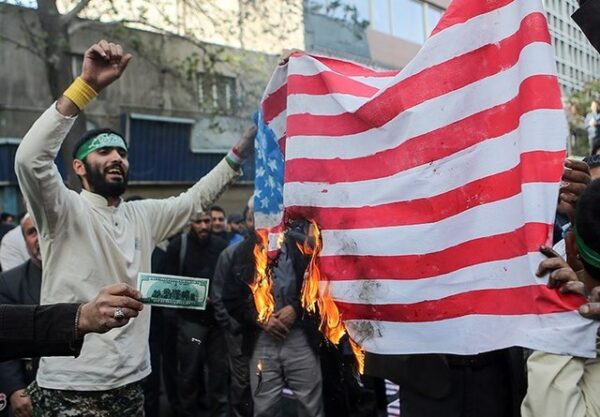
The announcement comes as the conflict has widened beyond Iran, with retaliatory strikes impacting U.S. allies in the region, including Qatar, Bahrain, and the United Arab Emirates. The expanding scope of the confrontation has added urgency to both military planning and diplomatic outreach.
Still, some lawmakers are urging a more aggressive approach. Sen. Lindsey Graham, R-S.C., speaking on Fox News over the weekend, called on the administration to continue its current course and even escalate further by targeting Kharg Island. He argued that controlling the island could cut off vital resources and weaken the Iranian regime.
Yet the contrast between calls for escalation and the administration’s simultaneous pursuit of negotiations highlights a familiar tension in U.S. foreign policy. Military buildups can provide leverage, but they also carry significant risks, particularly when conflicts begin to spread across a volatile region.
As Washington weighs its next steps, the deployment of additional troops signals readiness without committing to a definitive course of action. Whether it leads to a broader ground operation or serves as a backdrop for diplomacy remains to be seen. What is clear, however, is that each new move—military or diplomatic—brings the United States closer to a crossroads, where the costs of prolonged conflict must be measured alongside the pursuit of strategic objectives.