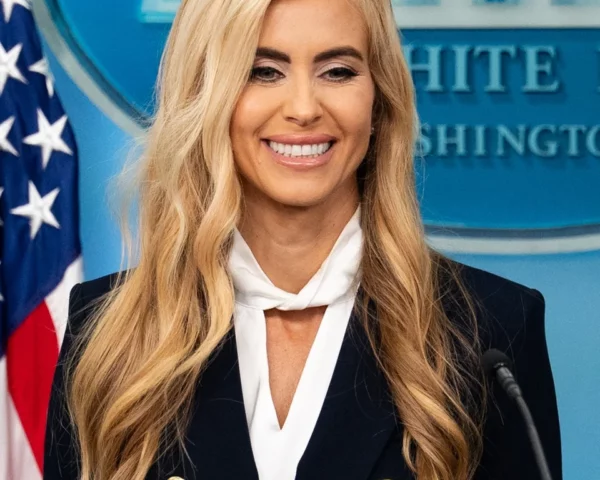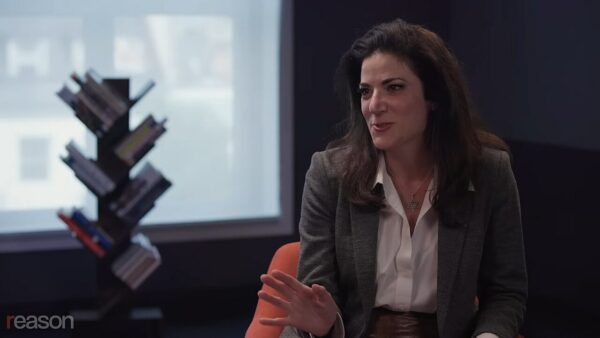
NewsNation host Batya Ungar-Sargon, who has frequently described herself as a strong supporter of President Donald Trump, delivered a scathing critique of the administration’s newly signed Iran memorandum of understanding on Thursday, calling the agreement a “total disaster” and warning that it could leave America weaker despite its military advantages.
The criticism came just hours after Trump formally signed the Iran memorandum of understanding during a dinner at the Palace of Versailles alongside French President Emmanuel Macron and First Lady Brigitte Macron. The 14-point agreement immediately sparked backlash from voices across the political spectrum, drawing scrutiny from both supporters and opponents of the president.
Appearing on CNN News Central with host John Berman, Ungar-Sargon made clear that her concerns stemmed not from opposition to Trump generally, but from disappointment with what she sees as a dramatic departure from the administration’s stated goals.
“Look, it gives me obviously no pleasure to say this,” she said. “I think this deal is a total disaster.”
Ungar-Sargon argued that Iran appears to emerge from the agreement in a stronger position than before, pointing specifically to provisions involving sanctions relief. She also highlighted language in the memorandum regarding the Strait of Hormuz, noting that Iran agreed not to impose tolls through the strategic waterway for 60 days.
According to Ungar-Sargon, the provision raises troubling questions about future leverage in one of the world’s most important shipping corridors. She contended that despite what she characterized as overwhelming American military superiority, the possibility of disruptions in the strait demonstrated how vulnerable global commerce can be to relatively limited actions.
The NewsNation host suggested that the agreement could send an unsettling signal internationally and expressed surprise that the administration chose this path.
Berman later asked Ungar-Sargon about Trump’s response to critics of the agreement. Earlier Thursday, the president dismissed opponents of the deal as “jealous bad people” and “stupid.”
Asked how Republicans might have reacted had a Democratic president signed the same agreement, Ungar-Sargon responded that conservatives would likely have fiercely condemned it.
“We all know this,” she said, arguing that Republicans would have strongly criticized a Democrat for approving an identical document.
Ungar-Sargon also pointed to comments Trump made during a recent press conference regarding Iran’s ballistic missile capabilities. She noted that administration officials, including Secretary of State Marco Rubio, had previously emphasized the importance of addressing Iran’s missile programs.
Trump, however, suggested that if neighboring countries possess ballistic missiles, it may be reasonable for Iran to possess some as well, provided the issue remains separate from nuclear weapons.
For Ungar-Sargon, those comments represented a significant shift from the objectives she believed the administration initially outlined. She said Trump had identified three major goals at the outset: eliminating Iran’s naval capabilities, ending its ballistic missile capacity, and preventing it from obtaining a nuclear weapon.
“I don’t see any of that in this MOU,” she said.
Despite her criticism, Ungar-Sargon repeatedly emphasized her support for the president, praising what she described as his accomplishments during the first year of his second term.
Still, she expressed frustration with the administration’s defense of the agreement. In particular, she took issue with suggestions that opponents of the deal are advocating for a broader military conflict.
Ungar-Sargon rejected that characterization, saying she does not support a prolonged war or the deployment of large numbers of ground troops. Instead, she argued that Iran was in a weakened position before the agreement and questioned why pressure would be eased while negotiations continue.
Her remarks underscore a growing divide among some Trump supporters, who remain loyal to the president but are increasingly questioning whether the agreement advances the goals that were originally used to justify confronting Iran in the first place.
[READ MORE: Trump Fires Back at Iran Deal Critics, Points to Markets and Lower Gas Prices as Signs of Success]