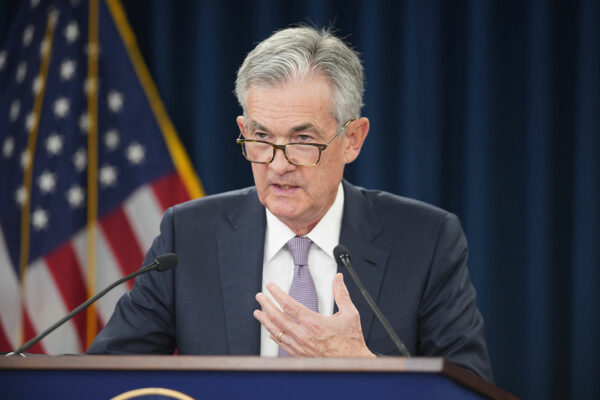
Jerome Powell is facing sharp criticism from figures aligned with Donald Trump after announcing plans to remain at the Federal Reserve beyond the end of his chairmanship, a rare move that could shape the central bank’s direction at a sensitive economic moment.
Powell said he intends to stay on the Fed’s board of governors for an undetermined period after Kevin Warsh is confirmed as his successor. He pointed to ongoing legal concerns, including scrutiny tied to the Fed’s renovation projects, as the primary reason for extending his tenure. Although Powell has pledged to keep a “low profile,” the decision has stirred frustration among Trump allies and raised the prospect of internal disagreements at the central bank.
Economists warn that Powell’s continued presence could complicate the early months of Warsh’s leadership. Joe Brusuelas, chief economist at RSM US, noted that if Warsh seeks to cut interest rates, Powell could dissent, potentially acting as a counterweight on the board through 2028. Powell’s term as chair ends May 15, but his separate term as a governor runs until January 31, 2028.
Powell said he would likely have retired already if not for the legal inquiry, which he wants resolved with what he described as “transparency and finality.” The Department of Justice recently transferred its criminal investigation into Powell to the Fed’s inspector general, with reports indicating the DOJ will not reopen the probe without a criminal referral. Powell said he is “encouraged” but continues to monitor the situation closely.
The move is unusual. It has been decades since a Fed chair remained on the board after stepping down, with the last instance occurring in 1948. That history has not stopped critics from questioning the decision.
Trump, who has long clashed with Powell over interest rate policy, reacted bluntly. In a social media post, he said Powell “can’t get a job anywhere else,” while later downplaying the impact of the decision but still calling him “a negative force.”
Treasury Secretary Scott Bessent argued that Powell’s move breaks with established Federal Reserve norms and could undermine confidence in the institution’s leadership. He also suggested it sends the wrong message to Warsh and other Fed officials, including Michelle Bowman and Chris Waller.
Warsh’s nomination, which had faced delays amid the Powell probe, is now advancing. The Senate Banking Committee approved him on a party-line vote, and Powell publicly acknowledged that once confirmed, Warsh will be the sole chair of the Federal Reserve.
Despite Powell’s assurances that he does not intend to interfere, his continued role limits Trump’s ability to appoint another governor and could constrain efforts to shift policy toward lower interest rates. Analysts say Warsh is expected to be more open to rate cuts, aligning with the administration’s push for looser monetary policy.
Still, broader economic pressures remain a significant obstacle. The ongoing conflict with Iran has driven inflation higher and disrupted oil markets, particularly with the effective closure of the Strait of Hormuz. The Fed’s preferred inflation gauge rose to 3.5 percent in March, up from 2.8 percent the previous month, further complicating the case for rate reductions.
The Federal Reserve recently voted 8-4 to hold rates steady, with only one official supporting a cut. Some regional Fed presidents also dissented, signaling resistance to perceived political pressure and emphasizing the institution’s independence.
Investors appear unconvinced that rate cuts are imminent, with market expectations pointing to a strong likelihood that rates will remain unchanged throughout 2026.
The situation highlights a familiar tension: the push for economic stimulus at home running up against the financial consequences of conflict abroad. As policymakers weigh their next steps, Powell’s decision to stay adds another layer of uncertainty—raising questions not just about leadership at the Fed, but about how long external pressures, including war, will continue to shape the nation’s economic path.
[READ MORE: DOJ Report Raises Questions About FBI’s Handling of Catholic-Linked Case]