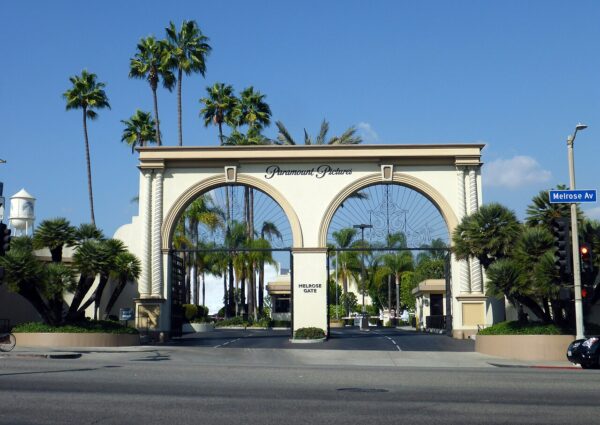
Paramount Skydance was reportedly shopping for office space in Nashville, Tennessee, as the Hollywood giant weighed shifting operations out of California, even as the state’s Democratic attorney general led a lawsuit to block its acquisition of Warner Bros. Discovery.
According to Politico, the company was looking for roughly 400,000 square feet in the Tennessee capital that it could occupy within two to three years. The potential move came as California Attorney General Rob Bonta led a coalition of 12 state attorneys general seeking to stop Paramount’s roughly $110 billion acquisition.
Paramount representatives reportedly contacted at least two real estate developers about building new offices in Nashville, because no existing building has enough available space to match the company’s needs and timeline. They were also reportedly shown a vacant multi-acre property outside downtown Nashville.
Tennessee Republican Gov. Bill Lee publicly courted the company in July. “Paramount has played an important role in shaping American culture, & we’d welcome the opportunity to see the next chapter of that story unfold in the Volunteer State,” Lee wrote.
Paramount already has a foothold in the city through Country Music Television, which it owns and which renewed its lease at the CMT Building in downtown Nashville in July.
The states argue the deal would reduce competition by combining two of Hollywood’s five major film distributors and two of the five major basic cable channel owners. They say that would give the combined company nearly one-third of the U.S. theatrical film and basic cable programming markets. A federal judge granted the states a temporary restraining order in July, and Paramount and Warner Bros. agreed not to close the deal until June 1, 2027, or until a court rules on the states’ claims.
Paramount has asked a federal judge to require the states and the Writers Guild of America, which is also challenging the deal, to post a $1.88 billion bond to cover potential losses from the delay. The company said it would begin paying roughly $7 million per day in “ticking fees” if the deal does not close by Sept. 30, and could pay roughly $1.3 billion by the end of the trial. The Department of Justice backed the bond request in a court filing Tuesday.
Richard Grenell weighed in on X. “Stop voting for politicians like @AGRobBonta who is so radically left and woke that he has chased away Paramount – a California business leaving the state,” he wrote. “The California state government will lose $21 billion a year and 58,000 jobs. Bonta is responsible.”
A departure would deal another blow to Los Angeles’ shrinking entertainment industry. According to the Los Angeles Times, the region shed roughly 57,000 entertainment jobs over the past four years, and more than 80 film and television production service businesses have closed since 2022. Feature-film shoot days in Los Angeles fell 20 percent in the second quarter of 2026 compared with a year earlier, while television shoot days dropped 30 percent. Paramount’s historic Melrose Avenue lot is the last major motion picture studio still headquartered in Hollywood, according to the Los Angeles Department of City Planning. The studio has operated there for roughly a century.
The legal challenge also caused friction in New Jersey. A source close to Democratic Gov. Mikie Sherrill told the Daily Caller News Foundation that her team received no advance warning before Democratic New Jersey Attorney General Jennifer Davenport joined the multistate lawsuit.
The DOJ previously cleared the Warner Bros. transaction after an eight-month investigation in which officials reviewed more than 2 million documents from over 80 custodians. State attorneys general took part after the companies waived confidentiality restrictions. The DOJ concluded the deal was “not likely to result in harm to competition or American consumers” in streaming, linear television or theatrical film production and distribution.
[READ MORE: Sam Altman Admits Short-Form Video is “Dangerous,” Says He Won’t Let His Kids Near It]