Tensions surrounding the looming ceasefire deadline escalated this week as Iranian and U.S. leaders traded sharp warnings, underscoring the fragile state of negotiations and the uncertainty surrounding what comes next.
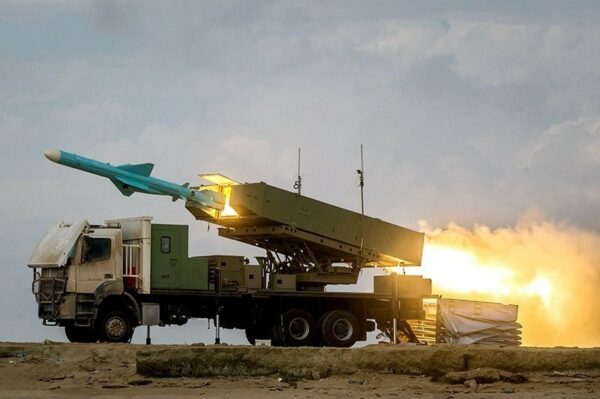
Iranian parliamentary speaker Mohammad Bagher Ghalibaf signaled that Tehran is preparing for the possibility of renewed conflict, warning that the country has readied “new cards on the battlefield” as Wednesday’s deadline approaches. His remarks suggest Iran is positioning itself for both negotiation and confrontation, depending on how talks unfold.
On the American side, President Donald Trump pushed back forcefully against media narratives suggesting he is under pressure to strike a deal with Iran. Writing on Truth Social, Trump dismissed such claims outright, stating “THIS IS NOT TRUE,” while also expressing confidence that a ceasefire agreement would come together “relatively quickly.”
In a follow-up post, the president went further, declaring that the United States is winning the war “by a lot,” directly contradicting what he characterized as misleading coverage from “Fake News” outlets. Trump argued that Iran’s military capabilities have been significantly weakened, pointing to what he described as the destruction of its navy, the diminished visibility of its air force, and the absence of key defensive systems.
He also emphasized the economic pressure being exerted through a U.S.-imposed blockade, which he said would remain in place until a deal is reached. According to Trump, the blockade is costing Iran approximately $500 million per day, a figure he described as unsustainable. Framing the situation as a clear strategic advantage, the president accused parts of the media of rooting against U.S. success while insisting that outcome was not in doubt.
But Iran’s response painted a very different picture. Ghalibaf, writing on social media, condemned the blockade and accused Washington of undermining the ceasefire itself. He argued that the U.S. approach seeks to transform negotiations into what he described as a “table of surrender,” suggesting that pressure tactics could ultimately derail diplomatic efforts rather than advance them.
“We do not accept negotiations under the shadow of threat,” Ghalibaf said, signaling a hard line from Tehran even as talks remain a possibility. His warning that Iran has prepared new options on the battlefield adds another layer of uncertainty to an already volatile situation, where both sides appear to be balancing diplomacy with the readiness for escalation.
The exchange highlights a familiar pattern in high-stakes geopolitical standoffs: confident public declarations paired with deep mistrust behind the scenes. While both sides speak of deals and outcomes, the rhetoric also reflects the risks of miscalculation, particularly as deadlines compress and pressure mounts.
As the ceasefire expiration draws closer, the situation appears to be entering a critical phase. The United States is projecting strength and leverage, while Iran is signaling resistance to negotiating under duress. Whether those competing postures lead to a breakthrough or a breakdown remains unclear.
What is evident, however, is that even as leaders speak in terms of winning and losing, the path forward carries significant risks. The language of dominance and retaliation may rally support at home, but it also underscores how quickly fragile pauses in fighting can give way to renewed uncertainty—an outcome that could prove costly for all involved.