A central legal figure in the effort to challenge the 2020 presidential election results has now lost his ability to practice law in California, marking one of the most significant professional consequences to emerge from the fallout of Jan. 6.
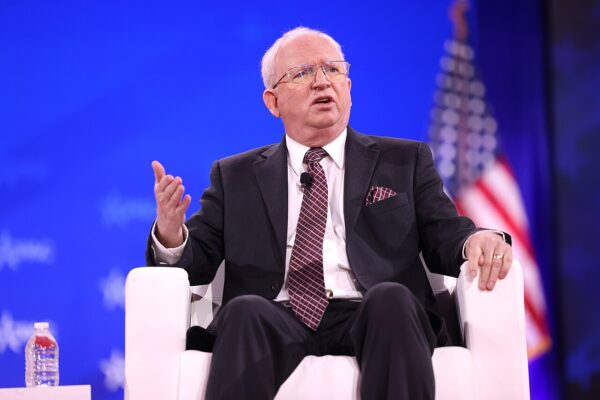
John Eastman, who played a key role in shaping the legal strategy surrounding Donald Trump’s attempt to overturn the election, was officially disbarred after the California Supreme Court upheld a lower disciplinary ruling against him.
The decision follows years of scrutiny into Eastman’s actions during and after the 2020 election, culminating in a final order striking his name from the roll of attorneys licensed in the state. In addition to disbarment, Eastman was ordered to pay a $5,000 fine.
Eastman had been at the center of a controversial legal push that sought to challenge the certification of Electoral College results. He authored a memo outlining a strategy that involved then–Vice President Mike Pence refusing to accept certain state electors, a move that multiple aides to both Trump and Pence warned would be unconstitutional and illegal, according to testimony presented during congressional hearings.
Beyond that memo, Eastman was actively involved in encouraging state legislators to reject certified election results, drafting lawsuits alleging election fraud, and speaking at the rally held at the Ellipse prior to the Jan. 6 attack on the U.S. Capitol. Even as the events of that day unfolded, evidence presented to investigators indicated he continued urging Pence to consider delaying or rejecting the certification process.
The disbarment stems in part from findings by the California State Bar, which concluded that Eastman advanced claims about the election that lacked evidentiary and legal support. The bar also cited what it described as his failure to acknowledge ethical violations tied to his conduct.
A state appellate disciplinary panel previously recommended revoking his license, a decision Eastman challenged before the state’s highest court. On Wednesday, the California Supreme Court affirmed that recommendation, effectively ending his ability to practice law in the state.
While President Trump has issued sweeping pardons related to Jan. 6 and the broader effort to contest the election, professional discipline from legal licensing authorities has remained one of the few avenues for accountability in the aftermath.
Eastman’s legal troubles are not limited to California. He has also been indicted in Fulton County, Georgia, alongside Trump and others, accused of participating in a coordinated effort to overturn the election results. Additionally, his license to practice law in Washington, D.C., is currently suspended on an interim basis while proceedings continue.
Legal observers have framed the ruling as a significant moment in a broader reckoning over the role attorneys played during that period. Constitutional law attorney Matthew Seligman, who testified during Eastman’s disbarment proceedings, described the outcome as a “just end” to the case, arguing that Eastman’s actions represented a serious breach of professional responsibility.
According to reporting from Politico’s Kyle Cheney, Eastman plans to appeal the decision to the U.S. Supreme Court.
The case underscores the enduring consequences of the legal battles surrounding the 2020 election—conflicts that, while fought in courtrooms and legislative chambers rather than on battlefields, still carried lasting impacts on institutions and public trust.