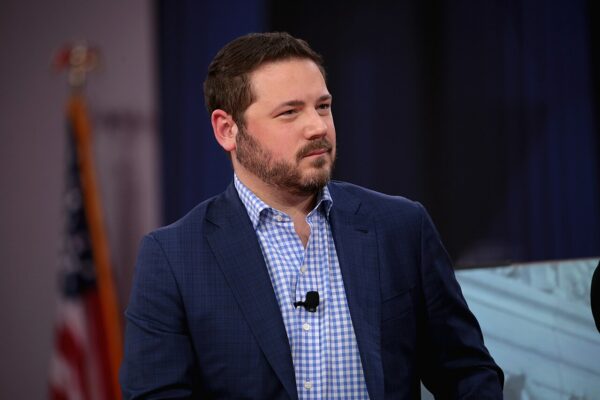
Fox News contributor Ben Domenech delivered a sharp critique of the Trump administration’s newly announced agreement with Iran on Monday, arguing that the deal appears inconsistent with the goals President Donald Trump outlined when the conflict began and warning that Republicans now face a larger debate about the future direction of the party’s foreign policy.
The comments came during a panel discussion on Fox News’ “Special Report with Bret Baier,” where the still-unreleased memorandum of understanding between the United States and Iran remained a major topic of conversation.
The agreement, which has been described as a framework for ending the conflict and opening future discussions with Tehran, has generated growing scrutiny from conservatives seeking more information about its contents. Calls for transparency have come not only from critics of the administration but also from some of Trump’s longtime allies, including Fox News host Mark Levin, who has publicly urged the White House to release the memorandum.
During the discussion, anchor Bret Baier noted those concerns and invited Domenech to share his thoughts on the agreement.
Domenech began by praising Trump’s broader foreign policy record.
“I think Donald Trump is the best foreign policy president of my lifetime,” he said.
He also expressed support for the military campaign against Iran, describing the operation as a difficult but necessary decision.
According to Domenech, the strikes represented a “gutsy call” by the president and one that he believed was the correct course of action.
However, his support quickly gave way to criticism when the discussion shifted to the agreement itself.
“This deal, and everything that we know about it, to the degree that it is being spun in public by this, you know, and behind the scenes by the administration, everything about this deal seems bad to me,” Domenech said.
“It all seems bad. It all seems like a setback.”
Domenech argued that the information currently available does not appear to match the objectives the administration publicly outlined when it entered the conflict.
“It doesn’t seem like it meets any of the measures that the president actually put out there of his goals when it came to this conflict,” he said.
His criticism reflected a broader concern among some conservatives who have questioned whether the agreement achieves the strategic outcomes that justified the military campaign in the first place. As details remain limited, debate has intensified over whether the final arrangement represents a victory, a compromise, or something in between.
Domenech then broadened the discussion into what he described as a larger ideological struggle within the Republican Party.
According to him, Republicans must decide what kind of foreign policy they intend to embrace going forward.
“And, look, at some point, this Republican Party needs to decide which kind of foreign policy it’s gonna have,” he said.
Domenech contrasted what he called an “America First” approach with a different vision that he suggested would represent a retreat from decisive action.
“Is it going to be an American first foreign policy, one that is bold that uses American power in key moments, decisively in order to affect what it wants to achieve,” he asked, “or are we going to just backslide into being some kind of ‘Hillbilly Obama’ kind of GOP?”
The remark appeared to reference Vice President JD Vance’s memoir “Hillbilly Elegy,” though Domenech did not directly name the vice president during that portion of the discussion.
Concluding his comments, Domenech made clear that he remains firmly opposed to the agreement based on what has been publicly reported so far.
“This is not something that is acceptable to me,” he said.
He added that, in his view, conservatives should carefully scrutinize the agreement before embracing it.
As debate over the memorandum continues, voices across the conservative movement remain divided, with many supporters of the administration calling for the same thing before rendering final judgment: the full release of the agreement itself.
[READ MORE: Trump Tells Netanyahu To Be More Responsible]