Former Health and Human Services Secretary Xavier Becerra found himself on the defensive during a heated debate exchange, after being questioned about his past remarks regarding allegations tied to Rep. Eric Swalwell.
The confrontation came during a Nexstar-hosted debate that brought together a mix of Republican and Democratic candidates, including former Fox News personality Steve Hilton and Riverside County Sheriff Chad Bianco, alongside Democrats such as Katie Porter, Tom Steyer, Becerra, and San Jose Mayor Matt Mahan. Moderators Nikki Laurenzo of FOX40 and Frank Buckley of KTLA 5 guided the discussion, which quickly turned to the sensitive issue of misconduct allegations and leadership responsibility.
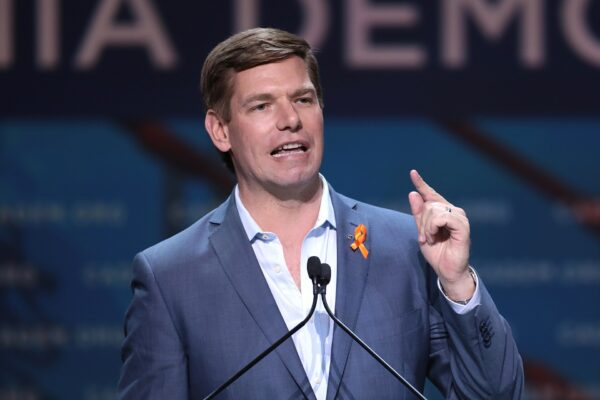
Swalwell, who exited the race under a cloud of sexual misconduct accusations, including claims of sexual assault, became a focal point after Laurenzo pressed Becerra on comments he made in a prior CNN interview. In that interview, Becerra acknowledged that “many of us had heard the rumors,” while also stating that he had not seen corroborating evidence at the time.
During the debate, Laurenzo challenged Becerra directly, asking what exactly he had heard and whether he should have taken action while serving in Democratic leadership. The question underscored a broader concern often raised in Washington: when rumors circulate about public officials, what responsibility do leaders have to act before formal complaints surface?
Becerra responded by drawing a firm line between speculation and substantiated claims. He emphasized that rumors alone are not sufficient grounds for action, arguing that such matters fall within the purview of law enforcement rather than political bodies like a party caucus. As a former California attorney general, Becerra pointed to his record prosecuting crimes, including cases involving the exploitation of women, to illustrate his approach to accountability rooted in evidence.
He maintained that investigations require individuals to come forward and provide verifiable claims. Without that, he argued, leadership cannot adjudicate allegations based solely on hearsay. In his view, acting on rumors risks undermining the principle of due process, a cornerstone of the American legal system.
At the same time, Becerra expressed support for those who ultimately came forward with accusations against Swalwell, praising their willingness to speak publicly and seek accountability. He noted that the emergence of those claims has led to consequences for the congressman, framing it as an example of the system working once facts are established.
In a pointed aside, Becerra also contrasted his approach with what he described as a tendency by President Donald Trump to act on allegations without verified evidence. He argued that decisions in the United States should be grounded in facts rather than speculation, reinforcing his broader argument about the need for restraint until claims are substantiated.
The exchange highlighted a recurring tension in political life: balancing the urgency of addressing serious allegations with the necessity of ensuring fairness and accuracy. For voters watching the debate, the moment served as a reminder that questions of accountability are rarely simple, especially when they intersect with incomplete information and high public stakes.
As the campaign continues, the issue is likely to remain a flashpoint, reflecting deeper divisions over how leaders should respond when rumors surface but proof has yet to emerge.
[READ MORE: California Governor’s Race Tightens as Candidates Prepare for Key Debate]