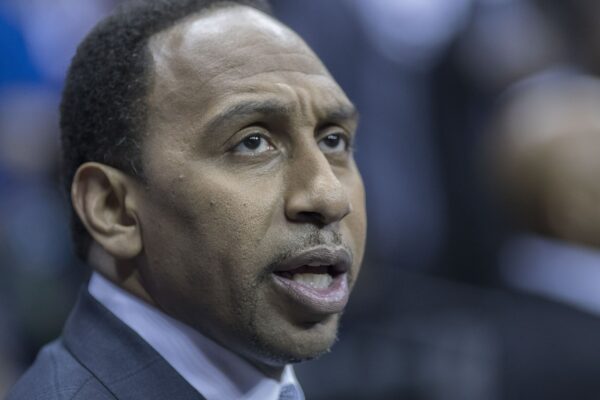
Sports commentator Stephen A. Smith said this week that while he has often been deeply critical of President Donald Trump’s conduct, he believes it is wrong to broadly condemn the millions of Americans who supported the president at the ballot box.
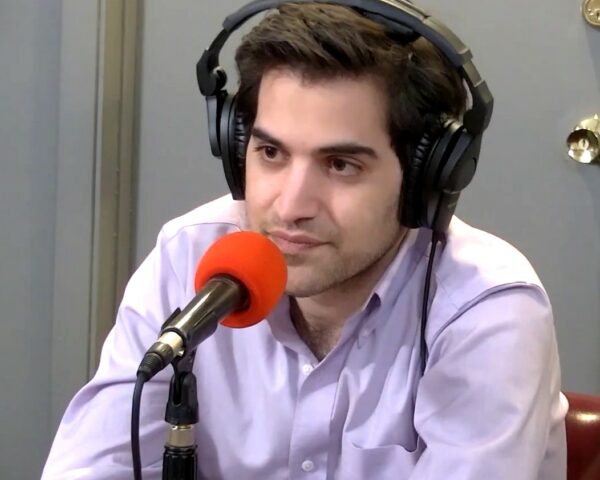
Speaking with Barrett Media CEO and founder Jason Barrett during the Barrett Media Audio Summit in New York City, Smith reflected on his growing presence in political commentary, explaining how his public discussions have expanded beyond the sports world in recent years.
During the conversation, Barrett pointed out that Smith’s political profile has already drawn attention from Trump himself. The president has at different times publicly suggested Smith should consider running for office while also referring to him as a “low IQ individual.”
Smith brushed aside the insult, saying he viewed it as relatively insignificant compared to criticism he has received elsewhere.
“I’m in good company,” Smith said. “He’s called quite a few people low IQ.” Smith added that the backlash he has faced from members of the African American community has been more difficult for him to navigate than comments made by Trump.
Smith argued that the United States is experiencing a period of intense political division and said the president’s public rhetoric often contributes to that environment. While expressing strong disapproval of Trump’s behavior, Smith emphasized that his criticism of the president should not automatically extend to those who voted for him.
“I’m utterly disgusted with how he behaves,” Smith said, while adding that he does not oppose every policy associated with Trump. He also noted that more than 77 million Americans cast ballots for the president, saying those voters should not be dismissed or insulted simply because of their political choice.
According to Smith, it is “incredibly unfair” when people treat Trump supporters with the same hostility they direct toward the president himself. He argued that many Americans vote based on specific issues rather than unwavering loyalty to a candidate.
Smith recalled a moment from his own program, The Straight Shooter, when he abruptly ended a call after a caller claimed that anyone who voted for Trump was racist.
Explaining his decision, Smith said such sweeping accusations ignore the many reasons voters may choose one candidate over another.
He pointed to issues including the economy, immigration, abortion, and border security as examples of policy priorities that can influence a person’s vote. Someone may support stricter immigration policies, favor a pro-life position over a pro-choice one, or believe one candidate would better handle economic issues, Smith argued, without endorsing every aspect of that candidate’s character or behavior.
Smith also said the nation’s two-party political system forces voters to make difficult choices between two major candidates, making the decision more complicated than critics sometimes acknowledge.
He argued that many Americans simply identify more closely with one party’s priorities than the other’s, even if they do not fully support every position or action taken by the candidate they ultimately back.
For that reason, Smith said, reducing millions of voters to a single negative label is both irresponsible and unfair. He maintained that political decisions are often driven by a wide range of issues and personal beliefs, and that disagreeing with someone’s vote should not automatically lead to broad personal attacks against the voter.
[READ MORE: Trump Says Iran Reached Out After Overnight U.S. Strikes Despite Earlier Declaring Ceasefire ‘Over’]