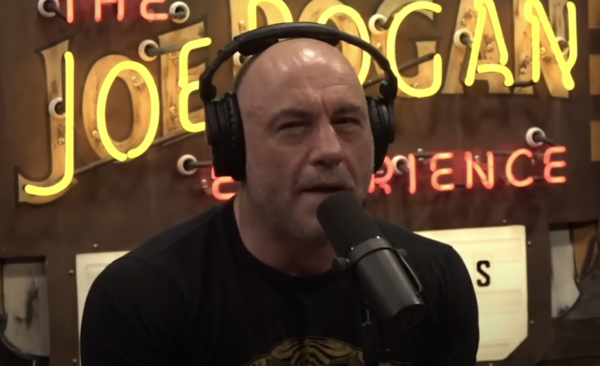
Podcast host Joe Rogan says the backlash he faced during the COVID-19 pandemic went far beyond criticism, claiming that powerful figures worked behind the scenes to pressure Spotify into removing his massively popular show over allegations of “vaccine misinformation.”
Speaking with author Chase Hughes on Wednesday’s episode of The Joe Rogan Experience, Rogan reflected on the intense scrutiny he faced during the pandemic years, when his podcast became one of the most influential and controversial platforms in the country. According to Rogan, despite the storm of criticism surrounding his discussions of COVID vaccines, lockdown policies, and public health officials, his show had already become so established that efforts to shut it down ultimately failed.
“It was almost easy for me because I’d gotten such a headstart,” Rogan said while discussing how his program weathered the controversy.
The podcast host explained that the pressure campaign against him carried significant consequences. Rogan said he lost numerous sponsors during the height of the COVID debate and described expensive efforts by various groups that sought to de-platform his show. The comments came as he and Hughes discussed public criticism, media narratives, and the influence of powerful institutions on public discourse.
Rogan became a lightning rod during the pandemic because of his willingness to question aspects of the government and public health response. His conversations about vaccines, lockdowns, and the recommendations of health experts drew fierce criticism from opponents who argued that his platform was spreading misinformation.
One of the most notable flashpoints involved CNN and a widely discussed dispute over video footage of Rogan after he contracted COVID-19. At the time, Rogan accused the network of making him appear “green” in video coverage, fueling claims from supporters that the outlet had manipulated footage to portray him as sicker than he actually was.
The controversy became a major media story. CNN denied altering the footage, and an analysis later found no evidence of manipulation. Nevertheless, the episode further deepened tensions between Rogan and many of his critics in the media establishment.
The dispute emerged after Rogan publicly discussed his recovery from COVID-19. In a video that drew widespread attention, he explained that he had used a variety of treatments after testing positive for the virus. Among those treatments was ivermectin, a drug that quickly became a subject of fierce public debate and political controversy.
As criticism mounted, Rogan remained one of the most prominent voices challenging aspects of the pandemic consensus. His enormous audience ensured that discussions taking place on his show reached millions of listeners, making him a target for activists, commentators, and organizations concerned about the information being shared on the platform.
Rogan’s latest comments suggest he believes the pressure directed at Spotify extended far beyond ordinary public disagreement. While debates over COVID policies, vaccines, and public health messaging continue years later, his account highlights the broader struggle over who gets to shape public conversations during times of national crisis.
The episode also serves as a reminder of how divisive the pandemic era became, with fierce battles over speech, censorship, and public trust unfolding alongside the health emergency itself. Even as leaders sought to address the crisis, the controversies surrounding information control left lasting questions about the balance between public safety and open debate.
[READ MORE: Trump Warns Iran Deal Is Not Final, Says Military Pressure Remains an Option if Agreement Falls Short]