Bulgaria announced Friday that it will limit the stay of U.S. military aircraft at its capital airport after the Trump administration declined to approve visa-free travel for Bulgarian citizens seeking to visit the United States.
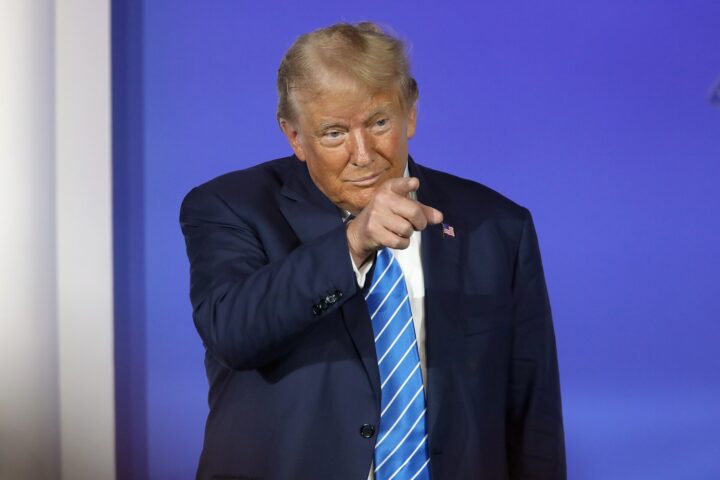
Prime Minister Rumen Radev said the decision followed a recent conversation with President Donald Trump in which he pressed for the removal of visa requirements for Bulgarian travelers.
According to remarks reported by Balkan Insight, Radev said he directly raised the issue with the president but did not receive a favorable response.
“I called for the suspension of visas for Bulgarian citizens during my conversation with the U.S. President, but I have not received a positive answer,” Radev said.
The Bulgarian leader noted that he understood the complexity of the regulatory process surrounding visa policy. At the same time, he suggested that Bulgaria must also weigh its own national interests when considering requests from allies.
“While I fully understand the complexity of all the regulatory procedures, we also have our priorities and we cannot respond positively to the request for long stays of aircraft and tankers at Sofia airport,” Radev said.
Despite the disagreement, Bulgaria is not immediately ending the current arrangement. Instead, the government is granting a short extension to allow allied nations time to adjust their plans.
“We’re extending the permission until the end of June so we can give time to our allies to reschedule and find another location,” Radev added.
The White House did not immediately respond to a request for comment.
Under the current agreement, which expires at the end of June, Bulgaria hosts American military aircraft at Vasil Levski Sofia Airport. Bulgaria’s Government Information Service confirmed Friday that the extension will remain in effect through June 30 and allows the presence of up to 15 U.S. military aircraft, associated equipment, and as many as 500 personnel.
The issue appears to be tied to broader diplomatic discussions between Sofia and Washington. Radev, whose Progressive Bulgaria party won parliamentary elections in April, said he spoke with Trump earlier this month and urged the United States to grant visa-free entry to Bulgarian tourists.
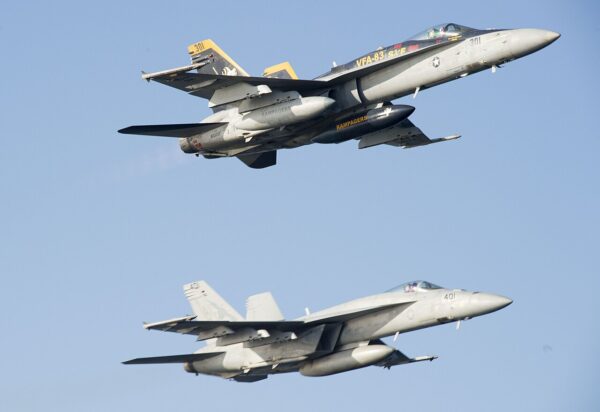
The aircraft currently stationed in Bulgaria include several key transport and support platforms used by the U.S. military. These include the Lockheed C-130 Hercules, the Boeing C-17 Globemaster III, and the Boeing KC-135 Stratotanker.
Questions have also surfaced in recent months about whether the aircraft could have been connected to potential military operations involving Iran.
Earlier this year, then-caretaker Defense Minister Atanas Zapryanov told reporters that the Trump administration had not requested permission to base aircraft in Bulgaria for possible use in military actions against Iran.
Zapryanov made similar remarks in late February, before U.S.-Israeli strikes against Iran. According to broadcaster BTA, he stressed that the American aircraft in Bulgaria were participating in a joint exercise between Washington and Sofia at Vrazhdebna Air Base.
“The exercise is in no way related to the situation with Iran or U.S. negotiations,” Zapryanov said.
The dispute underscores how diplomatic priorities can intersect with military cooperation, even between partners. While Bulgaria has granted a temporary extension, its decision signals that visa policy and defense arrangements can become intertwined as governments balance strategic partnerships with domestic priorities. At the same time, the discussion highlights the continuing sensitivity surrounding military deployments and regional tensions, particularly when concerns about broader conflicts remain in the background.
[READ MORE: Hannity Slams Carville’s Anti-Trump Tirade as Sign of a Political Culture Losing Its Restraint]