President Donald Trump on Thursday sharply criticized the possibility that the Supreme Court could rule against his administration in a major case involving birthright citizenship, calling such an outcome “a disgrace” and warning it would have serious consequences for the country.
The case centers on an executive order Trump signed after returning to the White House for his second term. The order seeks to end automatic birthright citizenship for children born in the United States to parents who are either in the country illegally or present on temporary visas.
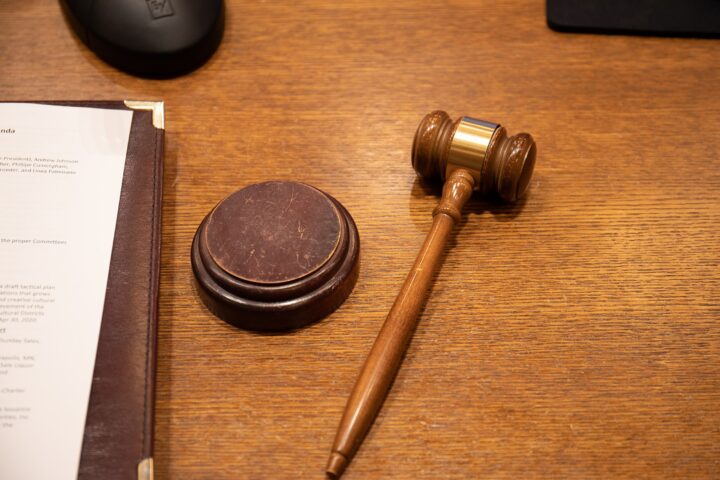
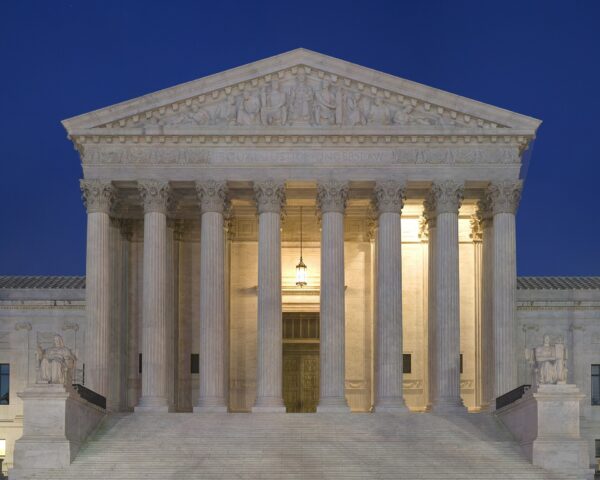
In the coming weeks, the Supreme Court is expected to weigh whether the order violates the Citizenship Clause of the 14th Amendment. The case, known as Trump v. Barbara, has become one of the most closely watched legal battles of Trump’s second presidency, touching on immigration, constitutional law, and the limits of executive authority.
During a Thursday press conference, Trump was asked what was at stake in the ruling. Before directly addressing the citizenship issue, the president turned his attention to a separate court decision involving tariffs, which he argued harmed the country economically.
“It’s a big decision that we’re waiting for from the Supreme Court,” Trump said, while criticizing a previous ruling against his administration’s tariff policies. The president argued the decision could force the government to return large sums of money and accused the court of failing to fully protect American economic interests.
Trump maintained that tariffs had strengthened the nation financially, saying they had made the country “moderately rich,” though he also complained the courts had complicated his administration’s trade agenda.
The president then pivoted back to birthright citizenship, arguing the current interpretation of the 14th Amendment was never intended to apply broadly to modern immigration disputes.
“Now we have another one coming up, which is birthright citizenship,” Trump said. “And we’re the only country in the world that has it.”
Trump argued that the amendment, adopted after the Civil War, was originally intended to address the status of formerly enslaved people and not what he described as exploitation of the system by foreign nationals entering the country for citizenship purposes.
“You step into our country, and you’re all of a sudden a citizen,” he said. “This was meant for the babies of slaves.”
The president repeatedly framed the issue as both an economic and national sovereignty concern, warning that continuing the current policy would place major burdens on the country.
“You’ll have 25 percent of the people coming into our country coming in through birthright citizenship, and we won’t have any control,” Trump said.
At several points, Trump suggested he expected the Supreme Court to rule against him, expressing frustration with recent judicial decisions and broadening his criticism to other issues, including court rulings involving college athletics and NIL policies.
“They’ll probably rule against me because they seem to like doing that,” Trump remarked.
The president escalated his rhetoric further by arguing that a ruling preserving birthright citizenship as it currently exists would damage the country’s standing.
“We’re a laughingstock,” Trump said. “And if the Supreme Court approves that decision, they’ve done a great disservice to the United States of America.”
Trump also criticized the plaintiffs challenging the executive order, accusing them of not caring about the country’s interests.
“It would be a disgrace if the Supreme Court of the United States allows that to happen,” the president said. “I hope they do what’s right.”
The case now places the Supreme Court at the center of another politically charged battle over immigration policy, an issue that has remained one of the defining and most divisive debates in American politics. As legal and political fights continue to intensify, the dispute also underscores how deeply questions surrounding borders, citizenship, and national identity continue shaping the country’s future.