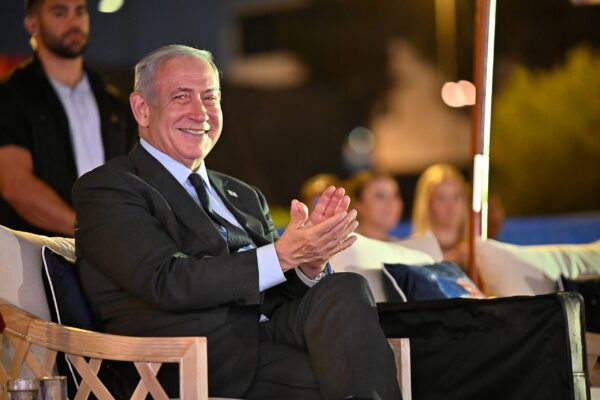
Israeli Prime Minister Benjamin Netanyahu has reportedly ordered preparations for a defamation lawsuit against The New York Times following the publication of a controversial opinion column that alleged serious abuse of Palestinian detainees in Israeli custody.
In a statement released Thursday by Israel’s Foreign Ministry and echoed by Netanyahu’s office, the government forcefully rejected the claims, calling them “one of the most hideous and distorted lies ever published against the State of Israel.” The statement confirmed that legal action is being pursued in response to the column written by New York Times opinion writer Nicholas Kristof.
The column, published under the headline “The Silence That Meets the Rape of Palestinians,” included accounts from several individuals who described alleged mistreatment while detained. Among the claims cited was testimony from a detainee who said he experienced sexual abuse in a setting where others had reportedly suffered similar treatment. According to the account, the individual described being left in conditions involving physical harm and degradation.
Another allegation in the piece described a prisoner who was reportedly subjected to an act involving a dog while in custody. The claims, detailed in the opinion column, quickly drew international attention and sparked sharp reactions from Israeli officials.
The Israeli Foreign Ministry initially condemned the article in particularly strong terms, labeling it “one of the worst blood libels ever to appear in the modern press.” Officials also dismissed the allegations as baseless and criticized Kristof directly, accusing him of advancing propaganda rather than reporting facts.
Netanyahu followed with a personal statement reinforcing the government’s position, signaling that Israel would not allow what it views as defamatory accusations to go unanswered. The move to prepare a lawsuit marks a significant escalation in the dispute, reflecting the seriousness with which Israeli leadership is treating the claims.
For its part, The New York Times has stood firmly behind the column and its author. In statements issued earlier in the week, the paper defended the piece as a “deeply reported” work of opinion journalism. The Times said Kristof’s column brought together on-the-record accounts and cited analyses documenting allegations of sexual violence and abuse involving elements of Israel’s security forces and settlers.
The publication emphasized that the column began with a broader appeal, suggesting that regardless of differing views on the Middle East conflict, there should be consensus in condemning acts of sexual violence. It also defended its sourcing, stating that the accounts from the individuals interviewed were corroborated where possible by additional witnesses, as well as by people the alleged victims had confided in, including family members and legal representatives.
The clash underscores the ongoing tensions not only on the ground but also in the global information space, where narratives surrounding conflict can carry enormous weight. As both sides dig in, the dispute highlights how accusations and counter-accusations can quickly escalate beyond the battlefield, shaping international perception and political response.
While the legal process may ultimately determine the outcome of the defamation claims, the episode reflects a broader reality: in times of conflict, truth itself often becomes a contested terrain. And as governments and media organizations square off, the consequences can extend far beyond headlines, influencing how the world understands events that are already fraught with complexity and human cost.
[READ MORE: GOP Lawmaker Says Family Felt Fallout of DOJ Probe, Warns Against Government Overreach]