A newly released survey from Harvard’s Center for American Political Studies and HarrisX is now reportedly offering a sobering snapshot of a deeply divided electorate, with Republicans and Democrats locked in a statistical tie just six months before the November midterm elections.
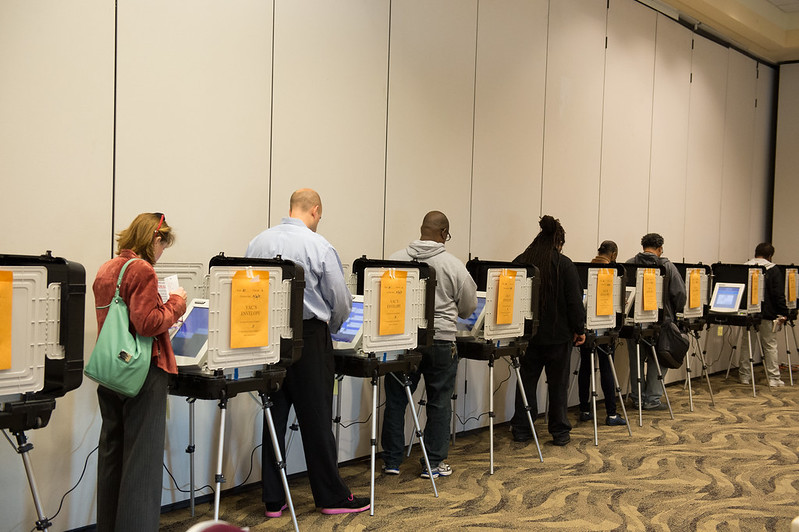
The poll, conducted between April 23 and April 26 among 2,745 registered voters, carries a margin of error of 1.87%. When asked which party they would support if the election were held today, respondents split evenly down the middle: 50% said they would vote for a Democrat, while the other 50% indicated support for a Republican candidate. The result underscores just how narrow the political battlefield has become in an already tense election cycle.
While the overall numbers show a stalemate, a closer look reveals subtle differences beneath the surface. Democrats hold a modest edge among independent voters, leading Republicans 52% to 48% within that group. However, Republicans appear to have a slight advantage when it comes to enthusiasm and turnout intent — a factor that often proves decisive in midterm elections.
According to the survey, 62% of Republican respondents said they are “definitely” planning to vote, with another 18% saying they will “probably” cast a ballot. Among Democrats, 59% said they are certain to vote and 17% said they likely will. Independent voters lag behind both groups, with only 40% saying they will definitely vote and 17% indicating they probably will. These turnout gaps could ultimately shape outcomes in closely contested districts.
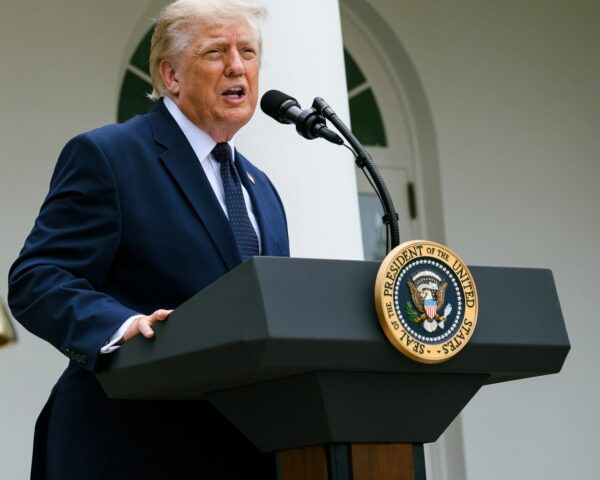
The poll also reflects a nation still grappling with its evaluation of leadership. Americans are evenly divided, 50% to 50%, on whether President Donald Trump is performing better or worse than his predecessor, former President Joe Biden. Trump’s overall approval rating stands at a net negative nine points, with 42% approving and 53% disapproving. Among likely midterm voters, however, that gap narrows slightly to 46% approval and 51% disapproval.
Beyond partisan alignment, the issues driving voter concern paint a picture of a country focused largely on domestic challenges — though international tensions remain part of the equation. Inflation and affordability top the list, with 35% of respondents identifying it as one of the most important issues facing the country. Economic concerns more broadly, including jobs, follow at 28%.
Immigration ranks third at 24%, while health care comes in at 22%. Notably, the ongoing U.S.-Iran conflict is cited by 20% of respondents as a top issue, a reminder that foreign policy and military engagements still weigh on the public consciousness, even as kitchen-table issues dominate. Corruption rounds out the list at 18%.
Taken together, the findings highlight an electorate that is not only split along party lines but also pulled in multiple directions by competing priorities. With neither side holding a clear advantage, and with voter turnout likely to play a critical role, the months ahead promise an unpredictable and closely watched march toward Election Day — one shaped as much by economic pressures at home as by conflicts abroad.
[READ MORE: Megyn Kelly Blasts Media “Overreaction” After WHCD Shooting, Questions Tone of Coverage]