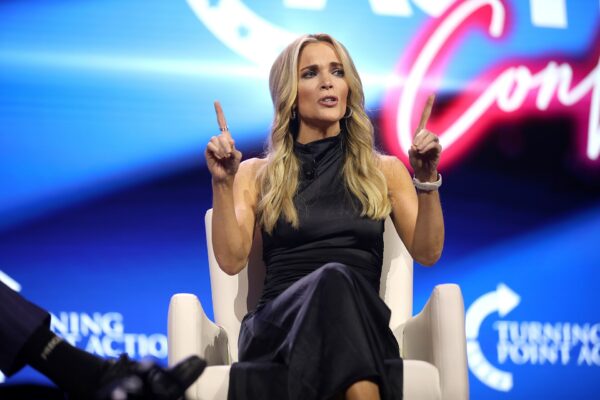
SiriusXM host Megyn Kelly is taking aim at what she described as over-the-top reactions from some journalists following the shooting at the White House Correspondents’ Dinner, arguing that parts of the media response crossed into theatrics rather than measured reporting.
The chaotic scene unfolded Saturday night at the Washington Hilton—sometimes referred to as the “Hinckley Hilton”—when what initially sounded like a loud crash quickly escalated into gunfire, sending attendees scrambling for cover. Early confusion gave way to urgent reporting, with correspondents filing updates in real time as the situation developed.
Authorities later took suspect Cole Tomas Allen into custody after he rushed through a security perimeter and opened fire. Initial reports suggesting he had been shot or killed were later determined to be inaccurate. Donald Trump, who was present at the event, was not injured.
In the aftermath, familiar debates over “violent rhetoric” quickly resurfaced, with political figures and commentators pointing fingers across ideological lines. At the same time, viral moments from the night—ranging from journalists crouched under tables to a man casually eating his salad amid the commotion—captured widespread attention on social media.
Kelly, speaking on her SiriusXM program, sharply criticized what she saw as exaggerated portrayals of trauma by some members of the press. While acknowledging that there was a genuine threat posed by an armed individual, she argued that the reaction from certain journalists went too far.
“The dramatics of some of these reporters… talking like they just got back from ‘Nam,” Kelly said, dismissing the tone as excessive. She maintained that although the situation was serious, not everyone present had been in direct danger, and she suggested some of the commentary lacked perspective.
A particular target of Kelly’s criticism was Brian Stelter, who spoke publicly about processing the emotional impact of the incident. Stelter referenced other recent acts of violence while reflecting on the experience, noting how people inside the ballroom reacted in the moment and how memories of the event lingered afterward.
Kelly pushed back on that comparison, calling it inappropriate to equate the experience at the dinner with more severe incidents involving loss of life. She also pointed to what she described as inconsistencies in early reporting, noting that some initially believed the noise was caused by falling dishes rather than gunfire.
For Kelly, the contrast between reactions became a focal point. She highlighted the now-viral image of an attendee calmly continuing to eat during the disruption, framing it as a counterpoint to those who remained under tables even after the immediate danger had passed.
The episode also drew attention to differing responses among high-profile attendees. According to Kelly, some observers, including figures accustomed to high-pressure environments, appeared more composed and even expressed admiration for security personnel handling the situation.
The broader conversation reflects an ongoing divide over how the media covers moments of crisis. While some argue that personal accounts and emotional reactions provide important context, others contend that restraint and clarity are essential—especially when information is still unfolding.
As the dust settles, the incident at the correspondents’ dinner has become more than just a security story. It has also turned into a debate over tone, perspective, and the role of media in shaping public understanding during volatile moments—questions that, much like the political tensions surrounding them, show no signs of fading anytime soon.
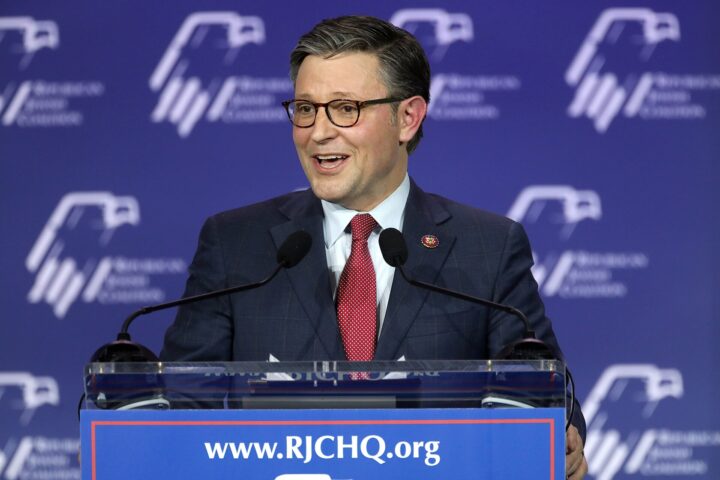
[READ MORE: Speaker Johnson Blames Heated Rhetoric After WHCA Shooting, Praises Calls for Cooler Tone]