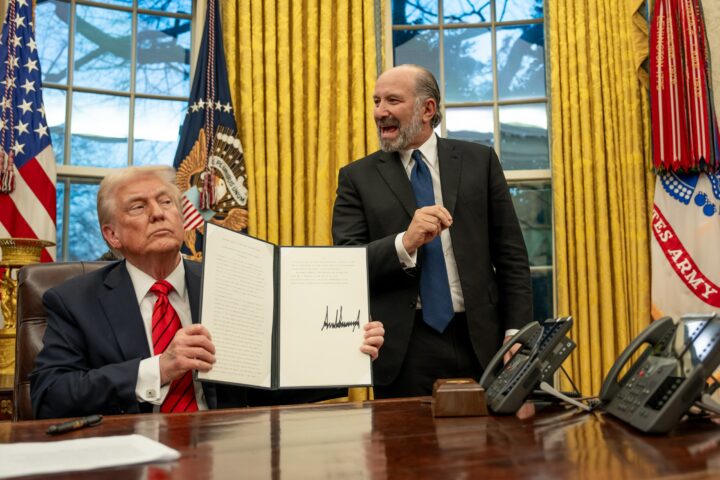
The Trump administration is now reportedly taking a measured step toward loosening federal restrictions on medical marijuana, with Acting Attorney General Todd Blanche signing an order Thursday to reclassify state-licensed cannabis as a less dangerous drug.
The move would shift licensed medical marijuana from one of the strictest regulatory categories to a less restrictive classification, potentially opening the door to expanded research and easing some financial burdens on operators. The order also includes a tax break for state-licensed medical marijuana businesses, offering relief to an industry that has long operated under conflicting state and federal rules.
Despite the change, the administration is not legalizing marijuana at the federal level. The broader prohibition remains intact, a point President Donald Trump has emphasized even as he supports limited reforms. The decision is expected to impact the 40 states that currently allow medical marijuana programs, bringing some alignment to a patchwork system that has often left patients, doctors, and businesses navigating uncertainty.
Blanche said in a post on X that the order calls for an expedited hearing to formally consider moving marijuana—specifically state-licensed, FDA-approved uses—from Schedule I to Schedule III. Such a shift would mark a significant regulatory adjustment, allowing for more structured scientific study while maintaining federal oversight.
“These actions will enable more targeted, rigorous research into marijuana’s safety and efficacy,” Blanche wrote, adding that the goal is to expand patient access while giving doctors better information to guide treatment decisions.
The Drug Enforcement Administration is set to take up the issue, with an administrative hearing scheduled to begin June 29. DEA Administrator Terry Cole said the agency is moving quickly under the direction of Trump and Blanche, framing the effort as an attempt to bring “consistency and oversight” to an area that has lacked both.
In addition to reclassification, the order streamlines the process for state-licensed operators to register with the DEA, potentially reducing bureaucratic hurdles. It also offers assurances to researchers, affirming that those studying cannabis using state-approved sources will not face legal penalties—a key concern that has long slowed scientific inquiry.
The policy shift builds on an earlier executive order signed by President Trump last December, which directed federal agencies to accelerate the rescheduling process as part of a broader push to expand cannabis research. Even then, Trump made clear that he was not endorsing widespread legalization, drawing a firm line between medical use and recreational consumption.
During the signing ceremony for that order, the president warned about the risks associated with misuse. “If it’s abused, it’s never safe to use powerful, controlled substances in recreational matters,” he said, cautioning against the dangers of unregulated drug use.
The current effort also follows groundwork laid during the previous administration, as former President Joe Biden initiated the rescheduling process before leaving office, though it was not finalized at the time.
More recently, Trump has taken additional steps to broaden research into controlled substances, including an executive order aimed at accelerating studies into certain psychedelic drugs for potential mental health treatments for veterans.
While supporters may view the latest move as a pragmatic adjustment that prioritizes science and patient care, it also reflects a careful balancing act. Expanding access and research without fully lifting restrictions underscores the administration’s approach: cautious reform without opening the door too widely. In a policy area often marked by extremes, the path forward appears to favor incremental change over sweeping transformation.