As speculation intensifies over whether the United States could commit ground troops in the conflict with Iran, Fox News host and former Marine Joey Jones is now reportedly urging leaders to proceed with caution—particularly when it comes to avoiding another prolonged nation-building effort.
Speaking on Fox News’s “The Big Weekend Show,” Jones delivered a blunt message directed at President Donald Trump, Defense Secretary Pete Hegseth, Joint Chiefs Chairman Dan Caine, and other military leaders. While acknowledging that decisions in wartime are complex, he emphasized that if American forces are sent into Iran, the mission should remain narrowly focused.
Jones argued that U.S. troops should not be tasked with “nation-building,” promoting democracy, or attempting to win over local populations. Instead, he framed the objective as direct and limited—targeting enemies and then leaving without becoming entangled in a long-term presence.
His remarks reflect a broader concern among many conservatives shaped by years of conflict in Afghanistan and Iraq, where initial military objectives evolved into extended campaigns with unclear endpoints. Jones, who lost both legs while serving in Afghanistan, spoke from personal experience, underscoring the human cost of such engagements.
At the same time, Jones acknowledged a personal connection to Hegseth, noting that the two had worked together at Fox News and had discussed these issues prior to Hegseth’s confirmation. He described himself as “completely, personally torn,” balancing trust in Hegseth’s judgment with his own concerns about the direction of the conflict.
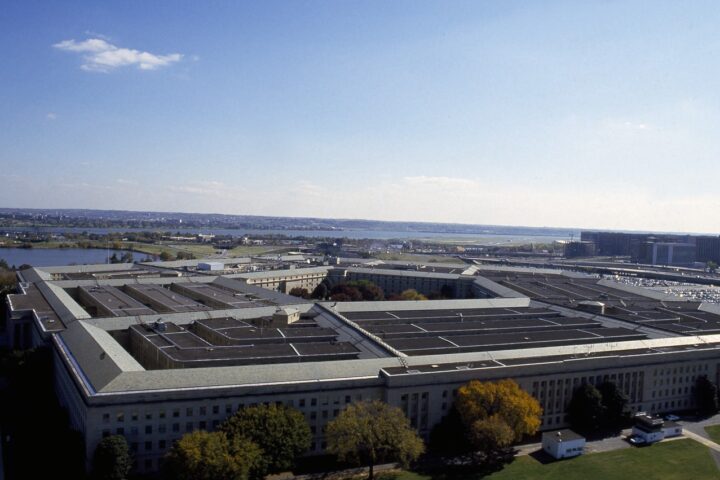
For his part, Hegseth has sought to reassure the public that the current operation is not a repeat of past wars. Speaking at the Pentagon earlier this month, he stated that the United States is not pursuing the kind of prolonged nation-building efforts associated with the administrations of former Presidents George W. Bush and Barack Obama. He emphasized that both the current generation of military leadership and the president are determined to avoid those outcomes.
Still, questions remain. The president has not ruled out deploying ground forces, even as the conflict enters its second month. That possibility continues to divide lawmakers and the broader public, with many expressing skepticism about deeper involvement.
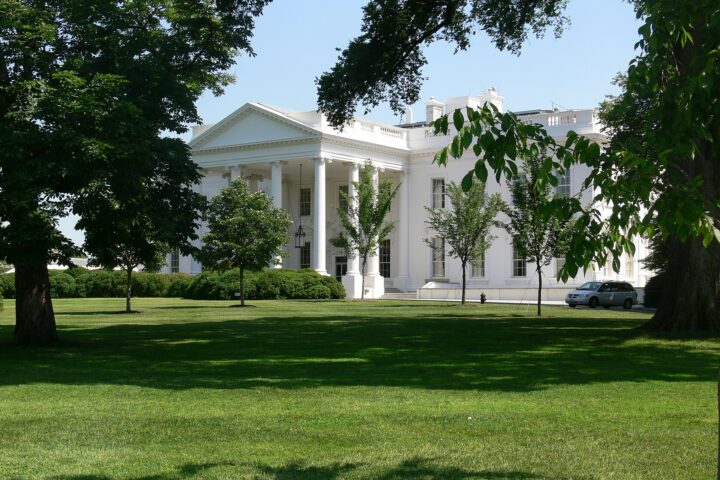
White House spokesperson Anna Kelly defended the administration’s approach, describing Trump’s actions as a decisive response to what she called the threat posed by Iran. She outlined the goals of Operation Epic Fury, including dismantling Iran’s missile capabilities, neutralizing its navy, cutting off support for proxy forces, and preventing the country from obtaining a nuclear weapon.
Despite that clarity of purpose, support for a ground war appears limited. Representative Tim Burchett said he does not believe there is significant appetite in Congress for such a move, noting opposition from both Republicans and Democrats. While he acknowledged that circumstances could change, he suggested that now is not the time for escalation.
Public sentiment appears to mirror that hesitation. Polling indicates that many Americans are wary of another major conflict in the Middle East, particularly after years of war in the region.
Meanwhile, rhetoric from Iran has only heightened tensions. According to Iranian state media, Parliament Speaker Mohammad Bagher Ghalibaf warned that Tehran is prepared to respond forcefully if U.S. troops are deployed on the ground.
As the debate continues, Jones’s warning captures a sentiment gaining traction: that even in moments demanding strength, there is a growing desire to avoid repeating the costly and complicated engagements of the past.
[READ MORE: Eric Trump Announces The Trump Presidential Library]