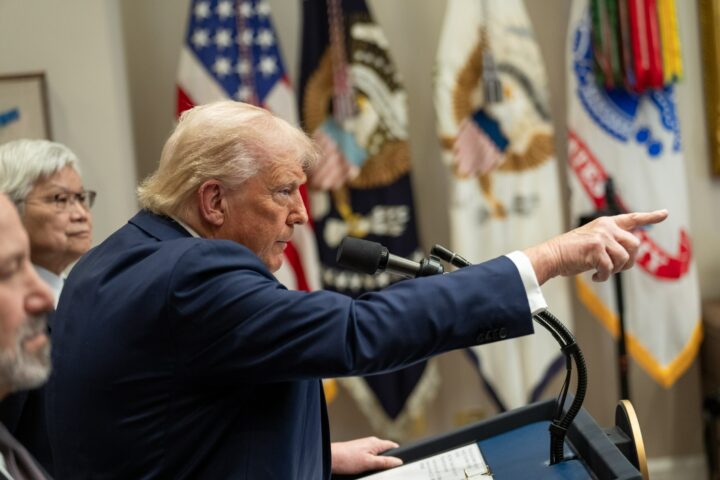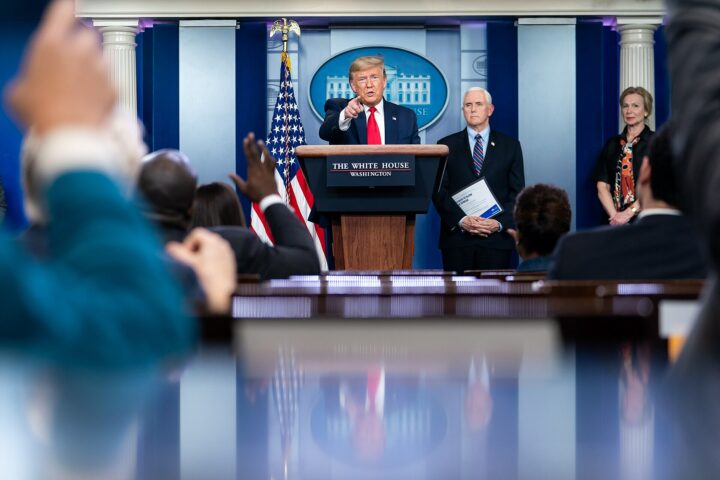
President Donald Trump has tapped a group of prominent technology and business executives to serve on a new advisory council focused on artificial intelligence and related policy, according to the White House.
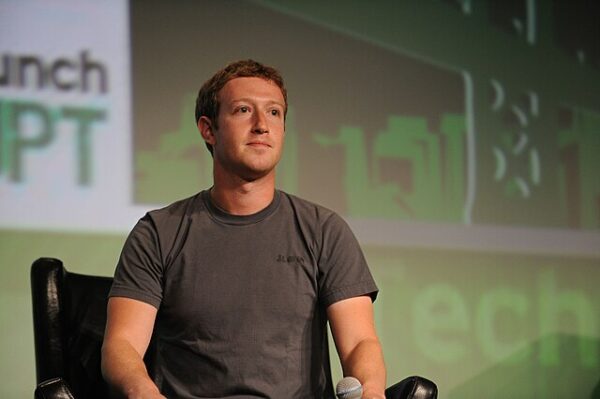
The panel, formally known as the President’s Council of Advisors on Science and Technology, or PCAST, will be co-chaired by David Sacks, who has served as the administration’s AI and crypto czar, and technology adviser Michael Kratsios. Among those selected are Meta Platforms CEO Mark Zuckerberg, Oracle Executive Chairman Larry Ellison, and Nvidia CEO Jensen Huang, according to a report by The Wall Street Journal.
An initial group of 13 members was announced Wednesday, including Google co-founder Sergey Brin and Dell Technologies founder Michael Dell. The White House indicated the council could eventually expand to as many as 24 members under an executive order.
“The United States has the opportunity to lead the world in AI,” said Zuckerberg in a statement to outlet. “I’m honored to join the President’s council and work with other industry leaders to help make this happen.”
The move is an about face for the Facebook founder, who spent millions unseating President Trump in the 2020 election through his “Zuckerbucks” plan, a move that was eventually outlawed.
Dell, in a separate statement, said he looks forward to working with the council to “advance policies that strengthen American competitiveness and national security.”
The appointments underscore the administration’s second-term focus on developing a regulatory approach intended to position the United States at the forefront of artificial intelligence and cryptocurrency innovation. Several of the appointees lead companies that have supported the president’s broader initiatives, including Meta Platforms, which contributed to Trump’s ballroom, and Huang, who made a personal donation.
“Under President Trump, PCAST will focus on topics related to the opportunities and challenges that emerging technologies present to the American workforce, and ensuring all Americans thrive in the Golden Age of Innovation,” the White House said in a statement.
.@FLOTUS arrives at her Fostering the Future Together roundtable on AI education, joined by @Figure_robot 03, an American-built humanoid robot pic.twitter.com/jIzp8Jfj4s
— Rapid Response 47 (@RapidResponse47) March 25, 2026
Presidential science advisory councils have been a recurring feature across administrations, including those of George W. Bush, Barack Obama, and Joe Biden. Historically, such bodies have served as internal advisory groups on scientific and technological issues, with membership often reflecting the priorities of the sitting president.
Trump established a similar council during his first term, though it was formed later in his presidency and did not include the same concentration of high-profile industry leaders. The new appointments mark a shift from that earlier effort, which was at times defined by corporate resistance and high-profile departures.