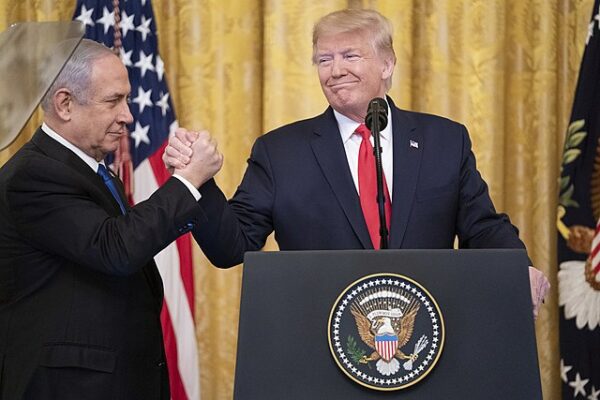
Russia has declared its firm solidarity with Cuba amid escalating tensions with the United States, following recent comments by President Donald Trump suggesting potential U.S. action toward the island.
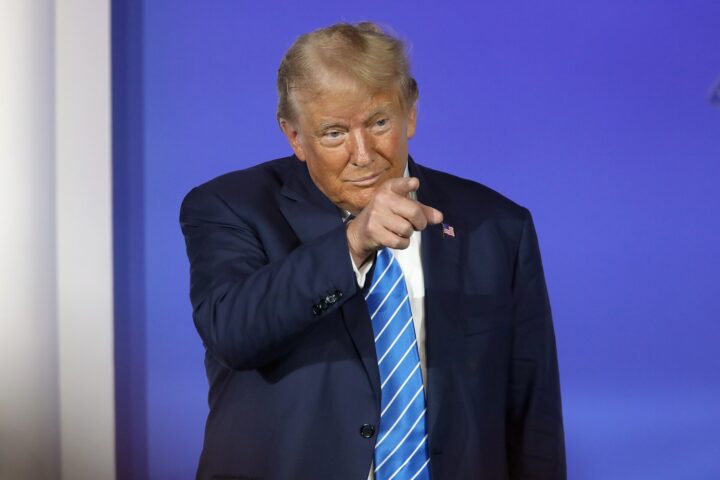
In remarks made March 16, Trump said he anticipated the “honor” of “taking” Cuba and indicated broad flexibility in how the United States might proceed. His comments came as Cuba faces a deepening energy crisis, including a nationwide blackout that left millions without electricity.
Trump on Cuba:
I do believe I’ll have the honor of taking Cuba. That would be good. That’s a big honor.
I can free it or take it, I think I can do anything I want with it. pic.twitter.com/I0TpVCY73j
— Clash Report (@clashreport) March 16, 2026
The blackout has been linked to severe fuel shortages tied to a U.S.-enforced blockade on oil supplies, particularly those historically provided by Venezuela. U.S. actions earlier this year disrupted Venezuela’s ability to export oil to Cuba after Washington intervened in that country and removed its leadership, further constraining Cuba’s already fragile energy system, according to Reuters.
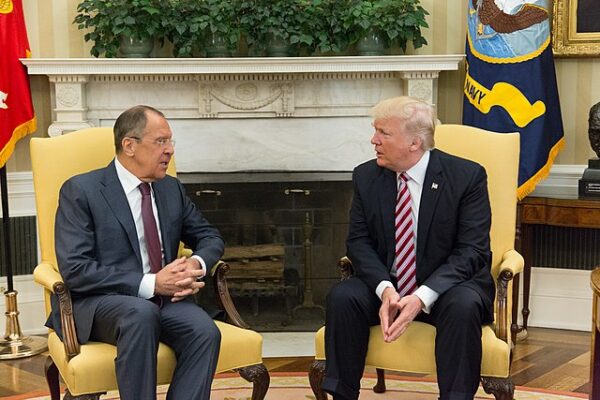
On March 17, Russia’s Foreign Ministry responded forcefully, expressing concern over what it characterized as interference in Cuba’s internal affairs. Officials in Moscow condemned unilateral restrictive measures and intimidation tactics directed at a sovereign state, while reaffirming support for Cuba’s government and its people, referring to the country as the “Island of Liberty.”
Russian officials also pointed to the mounting economic, financial, and energy challenges facing Cuba as a result of prolonged U.S. pressure. The Kremlin indicated it remains in contact with Cuban leadership and is prepared to continue offering assistance, including financial support, as the crisis unfolds.
Cuba’s difficulties have intensified in recent months, with fuel shortages exacerbating long-standing infrastructure problems and contributing to repeated power outages. Analysts note that the island’s aging electrical grid and lack of reliable fuel imports have left it especially vulnerable to external shocks.
The latest developments come amid broader geopolitical friction. Reports indicate U.S. negotiators have pressed for significant political changes in Havana, including the possible departure of President Miguel Díaz-Canel, as part of ongoing discussions aimed at resolving the standoff.
Russia and Cuba have maintained close ties dating back to the 1959 Cuban Revolution, a relationship that deepened during the Cold War and has been revitalized in recent years through economic and political cooperation.