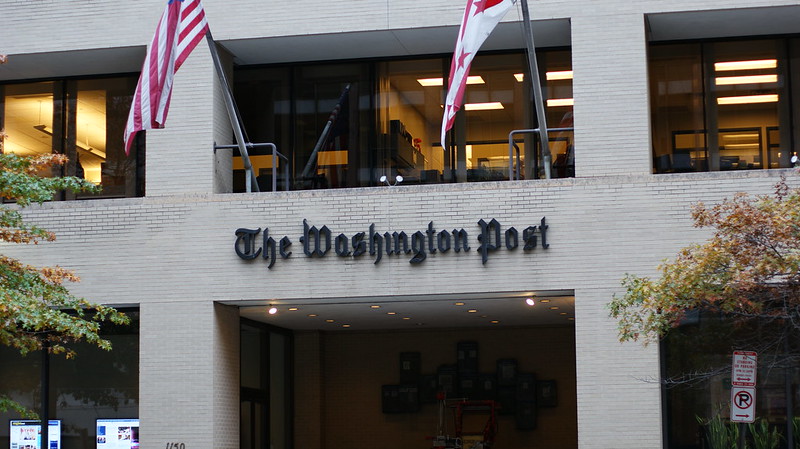
The Washington Post is facing what many inside the newsroom are calling a dark and destabilizing moment, as management moves forward with sweeping layoffs that will eliminate roughly 300 jobs across the company. The cuts, which reportedly hit multiple departments including sports, books, and audio, have fueled anger and anxiety among staff and intensified criticism that one of the nation’s most prominent newspapers is being hollowed out from within.
Post leadership informed employees of the layoffs following a staff-wide call on Wednesday, capping off weeks of internal tension. Earlier that same morning, executive editor Matt Murray and human resources executive Wayne Connell sent an email instructing employees to work from home and join an 8:30 a.m. Zoom webinar. The message warned of “some significant actions across the company,” setting the stage for what would quickly become a demoralizing announcement.
Among the hardest-hit areas is the newspaper’s sports department, which is being eliminated “in its current form,” according to longtime sports columnist Barry Svrluga. The move marks a dramatic downsizing of a section that has long been a staple of the paper’s daily coverage. Also on the chopping block are the books section and the Post Reports podcast, further shrinking the paper’s cultural and long-form offerings.
The layoffs come after weeks of unrest among staffers, who had reportedly been searching for ways to persuade ownership to reconsider the cuts. Those efforts included brainstorming high-profile appeals aimed at convincing owner Jeff Bezos to reverse course, underscoring the level of desperation and frustration inside the newsroom as rumors of layoffs circulated.
Once the news became public, the reaction from employees was swift and emotional. As the reality of the cuts set in, numerous Washington Post staffers took to social media to announce that they were leaving the paper as a result of the layoffs. The posts reflected a mix of sadness, anger, and disbelief, with many framing the day as a devastating blow not just to their careers but to the institution itself.
Critics of the move argue that gutting entire departments undermines the paper’s ability to deliver comprehensive journalism and weakens its connection to readers. The loss of the sports desk, in particular, was seen by many as symbolic of a broader retreat from coverage areas that build loyalty and community, even as management looks to reshape the organization.
The cuts also raise broader questions about the state of legacy media and the priorities of corporate leadership in an era of financial pressure and shifting audience habits. For many inside the Washington Post, the layoffs are not just about numbers on a balance sheet, but about the future identity of the newsroom and what kind of journalism it will be able to produce going forward.
As staffers absorb the impact of the decision and departments disappear overnight, the mood inside the Post is described as grim. What remains is an uneasy sense that an institution long regarded as a pillar of American journalism has entered a period of deep contraction, leaving employees and readers alike to wonder what will be left when the dust finally settles.