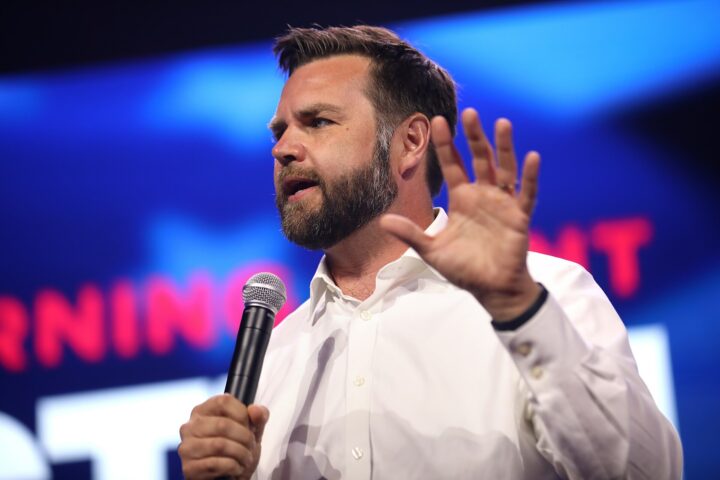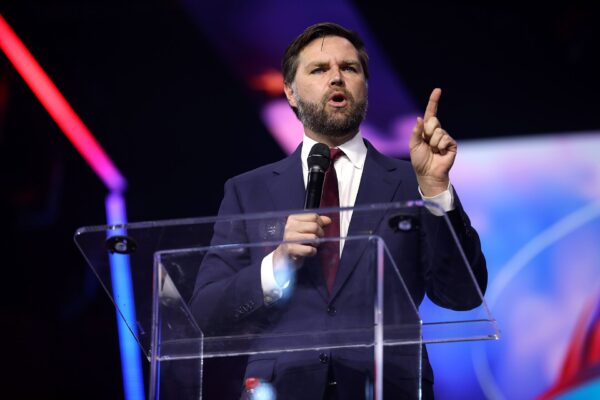
Vice President JD Vance found himself in a spirited exchange with the co-hosts of The View as he defended President Donald Trump’s recent remarks about inflation and argued that the administration is working to address the affordability challenges facing American families.
The discussion centered on comments Trump made during a June 10 Oval Office question-and-answer session with reporters. During that exchange, the president said, “I love the inflation,” before launching into a broader discussion about energy prices and his belief that increased oil supplies would ultimately help lower costs for consumers.
The remark quickly became a point of contention on The View, with co-host Joy Behar pressing Vance over both Trump’s comments and the administration’s spending priorities.
Behar argued that many Americans continue to struggle with affordability and questioned why resources were being directed toward various White House projects. She also referenced Trump’s previous comments regarding affordability, suggesting that the administration was not adequately addressing voters’ concerns.
Vance pushed back immediately, arguing that Trump’s earlier remarks had been mischaracterized.
According to the vice president, Trump’s point was that Republicans were not responsible for creating the affordability problems that many Americans face today. Vance maintained that the administration inherited a difficult economic situation and is now working to improve it.
Pointing to inflation figures, Vance noted that inflation had reached 9% during the Biden administration and said it currently stands at 3.5%. While emphasizing that 3.5% remains too high, he said the administration is continuing efforts to bring it down further.
“We inherited an affordability problem,” Vance said, arguing that progress has been made even though more work remains.
He stressed that Trump understands the economic pressures many families face and said concerns about rising costs were a major part of the president’s campaign message.
The conversation intensified when co-host Ana Navarro interjected, arguing that Trump had plainly stated that he loved inflation.
Vance rejected that interpretation.
Instead, he argued that Trump was referring to inflation eventually falling and tied the president’s comments to expectations that costs would decrease once the ongoing conflict discussed during Trump’s remarks comes to an end.
Joy Behar remained unconvinced, telling Vance that the president had not actually said those words and jokingly asking whether he was serving as Trump’s interpreter or vice president.
Vance did not back down.
He reiterated his view that Trump’s comments were being interpreted without their broader context and returned to the administration’s economic message. While acknowledging that gas prices remain too high, he pointed to what he described as recent declines from levels seen just weeks earlier.
The vice president also argued that the administration is laying the groundwork for long-term economic growth through investment and factory construction.
According to Vance, construction jobs help build new facilities, while manufacturing jobs follow as those factories begin operating. He said that process can contribute to rising wages and broader economic growth over time.
When Behar pressed him on when Americans would begin seeing the full benefits, Vance pointed to what he described as improvements in manufacturing employment, gains in construction jobs, and wage growth compared to several years ago.
He also noted that rents have been either flat or declining for roughly a year and said there are signs that some economic indicators are moving in a positive direction.
Vance acknowledged that affordability challenges remain and that certain costs, including gasoline, are still too high. But he maintained that the administration inherited a difficult situation and is steadily working to improve it.
“My view,” Vance said, “is that we inherited a mess and we’re fixing it. But sometimes it takes a long time to fix a mess.”
While the debate highlighted sharp political disagreements, it also underscored a broader reality facing policymakers: economic concerns remain front and center for many Americans, and the costs associated with both domestic challenges and international conflicts continue to weigh heavily on household budgets.
[READ MORE: Trump Vows Full Public Release of Iran Agreement Amid Growing Conservative Questions]