Weekend negotiations between the United States and Iran revealed deep divisions over how to handle Tehran’s nuclear ambitions, with a proposed long-term halt drawing a sharply different response from Iranian officials.
According to multiple reports, U.S. negotiators floated a plan calling for a 20-year suspension of Iran’s nuclear program during talks held in Islamabad, Pakistan. Sources familiar with the discussions told The New York Times that the proposal aimed to put a lengthy pause on nuclear activity, signaling Washington’s push for a more extended guarantee against potential weapons development.
Iran, however, countered with a significantly shorter timeline. Officials from both sides indicated that Tehran’s proposal would limit any halt in nuclear activity to no more than five years, a gap that underscores the persistent mistrust and competing priorities that have long defined negotiations between the two nations.
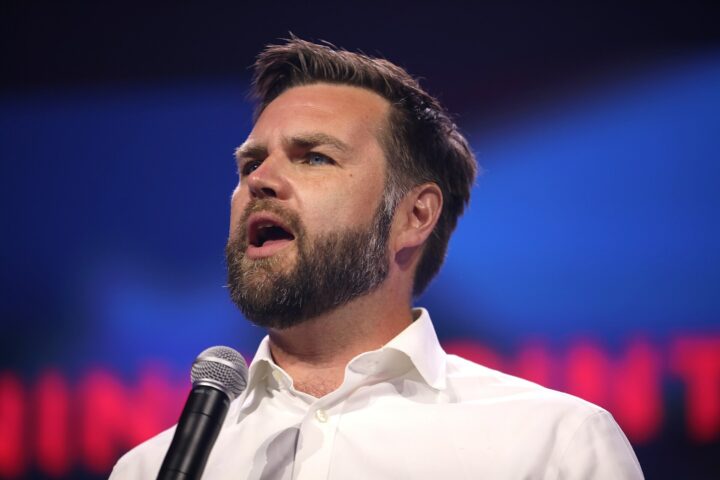
After 21 hours of discussions, JD Vance offered a blunt assessment. While he described the talks as “substantive,” he acknowledged that no agreement had been reached—an outcome he characterized as unfavorable for Iran.
“That’s the good news,” Vance said of the depth of the discussions. “The bad news is that we have not reached an agreement, and I think that’s bad news for Iran much more than it’s bad news for the United States of America.”
Despite the extended negotiations, key sticking points remained unresolved. Vance noted that Iran declined to make what he described as a necessary “affirmative commitment” that it would not pursue a nuclear weapon or the capabilities needed to rapidly develop one. That refusal appears to have been a major obstacle in bridging the gap between the two sides.
The reported 20-year suspension proposal also drew scrutiny from policy voices back in Washington. Mark Dubowitz, CEO of the Foundation for Defense of Democracies, criticized the concept as insufficient. In a post on X, Dubowitz argued that even a two-decade pause amounts to a “sunset provision,” suggesting that any temporary halt would ultimately leave the door open for future nuclear development.
“The ban on enrichment must be permanent,” Dubowitz said, calling for a more sweeping and lasting dismantlement of Iran’s nuclear program.
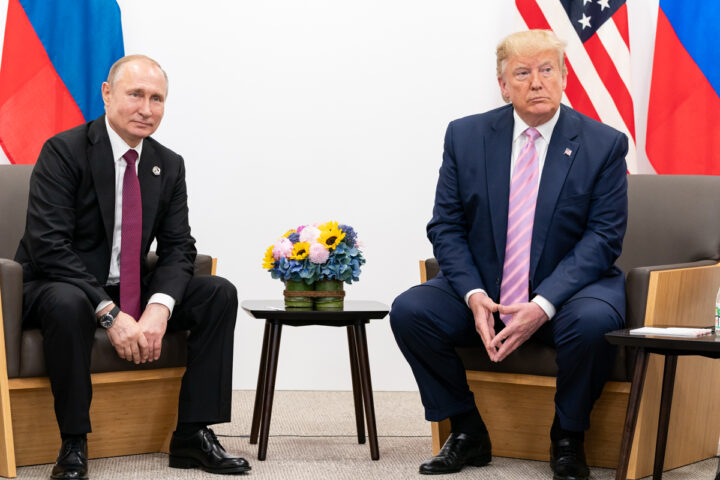
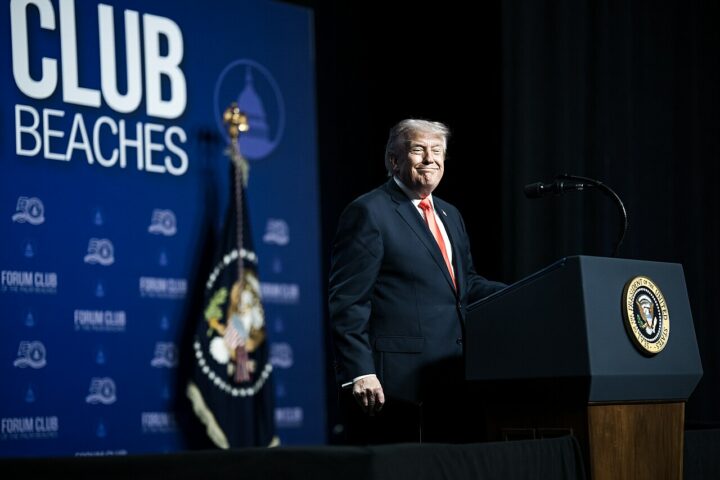
The current standoff echoes earlier disputes over the scope and durability of nuclear agreements. In 2018, Donald Trump withdrew the United States from the Joint Comprehensive Plan of Action, the Obama-era deal that required Iran to dismantle portions of its nuclear program in exchange for sanctions relief. That decision reshaped the diplomatic landscape and set the stage for the kinds of disagreements now playing out once again.
As negotiations stall, the broader implications remain uncertain. The lack of agreement highlights not only the challenges of verifying long-term compliance but also the risks of prolonged tension. While both sides continue to engage, the absence of a clear path forward serves as a reminder that even extensive talks can fall short of resolving disputes with global consequences.
For now, officials are left navigating a familiar impasse—one where diplomacy is tested, timelines clash, and the stakes extend far beyond the negotiating table.